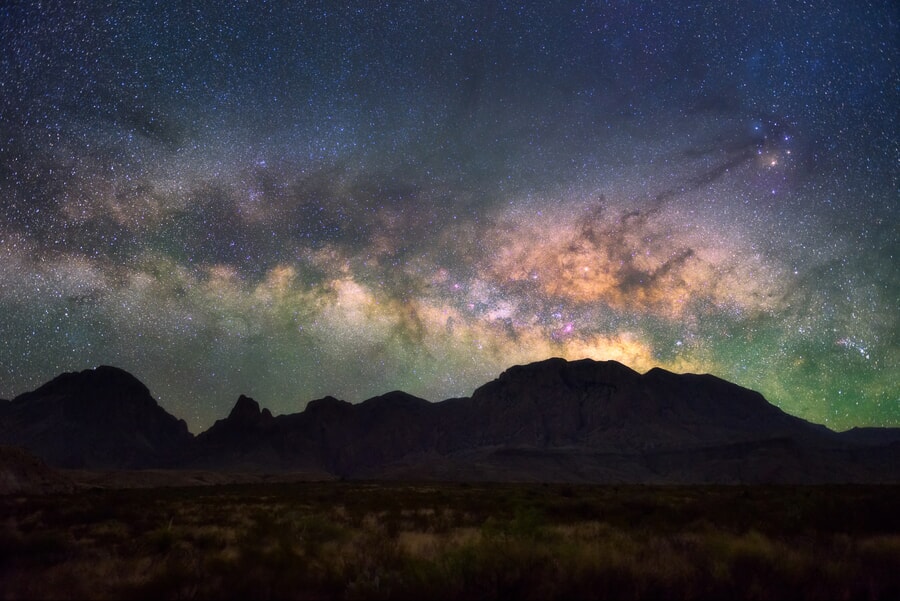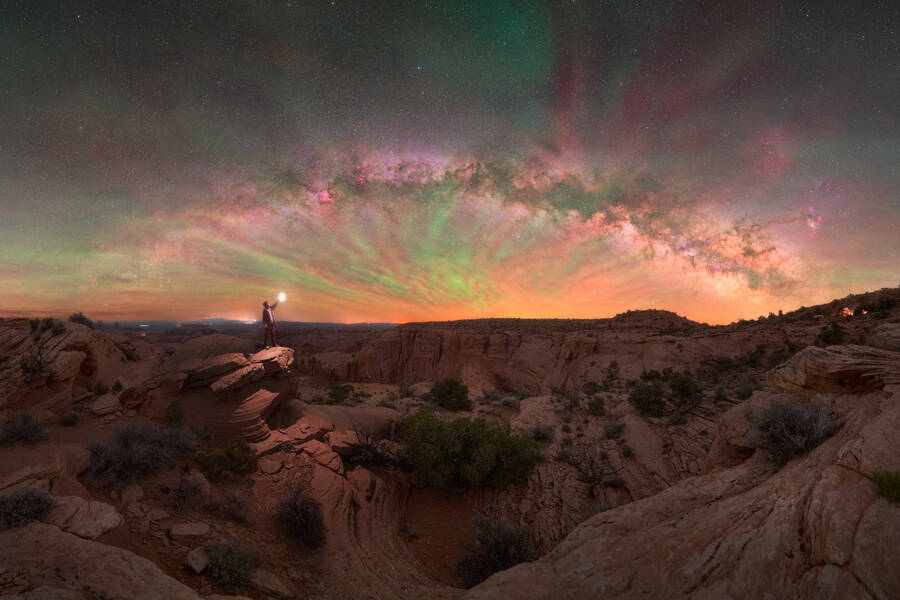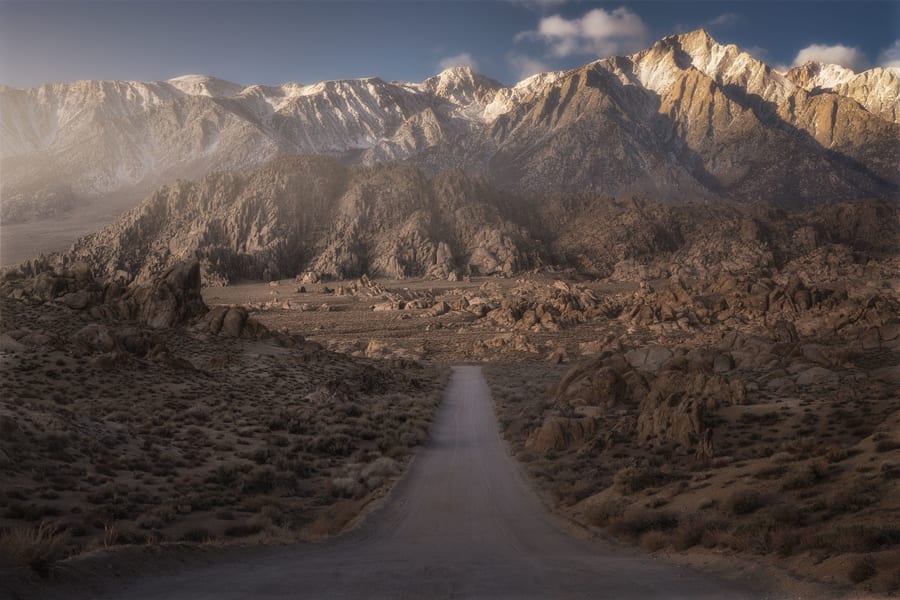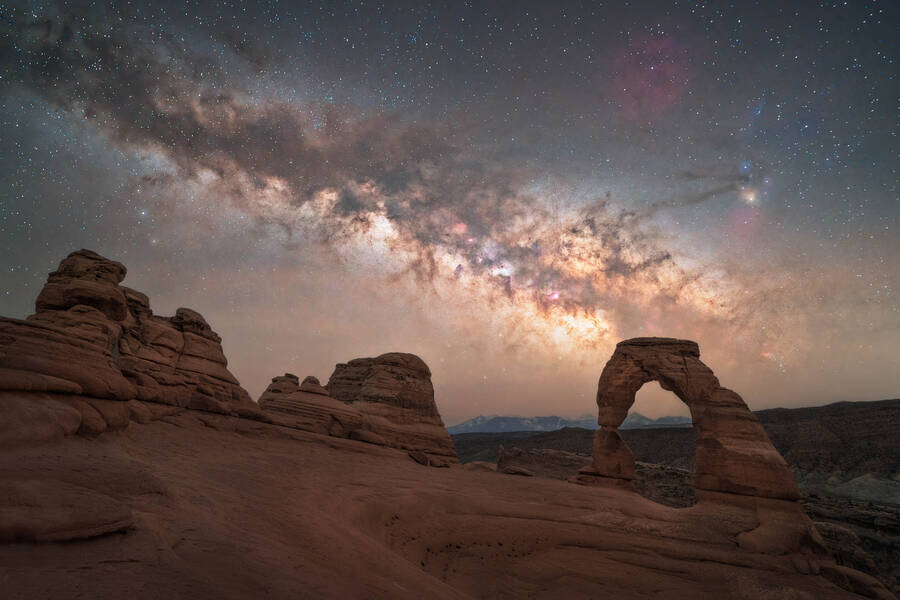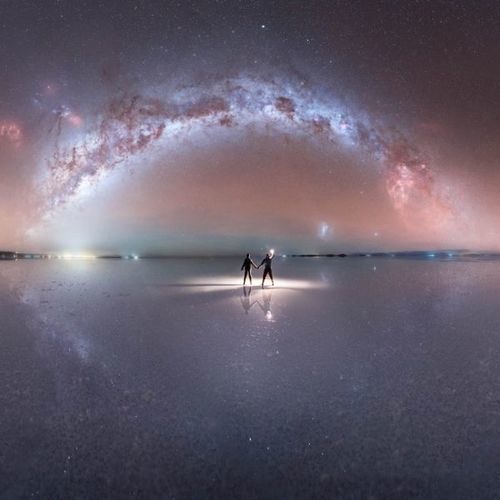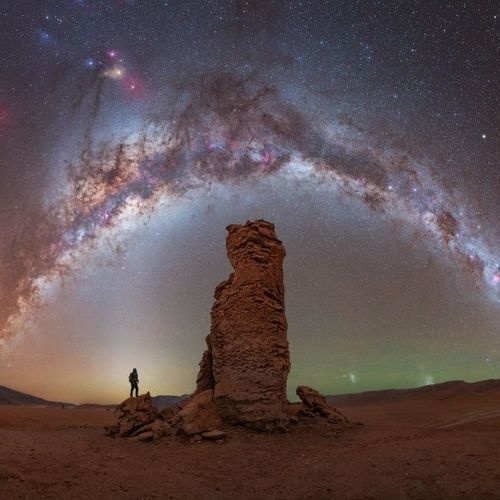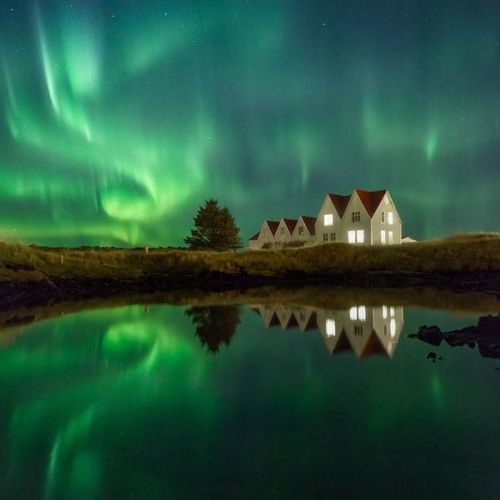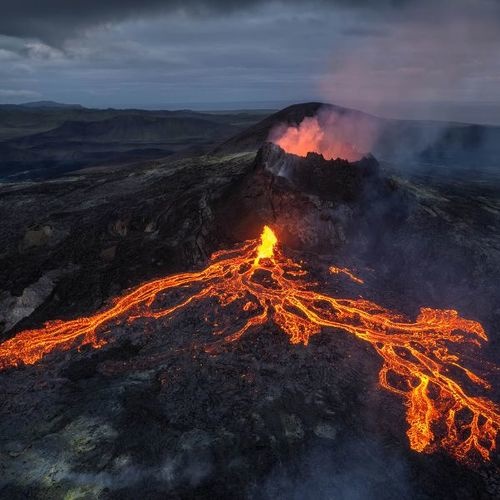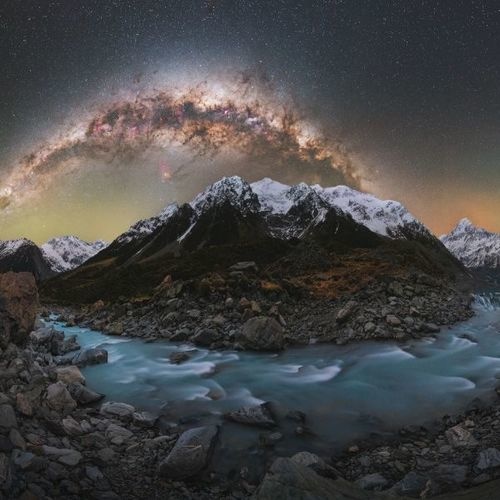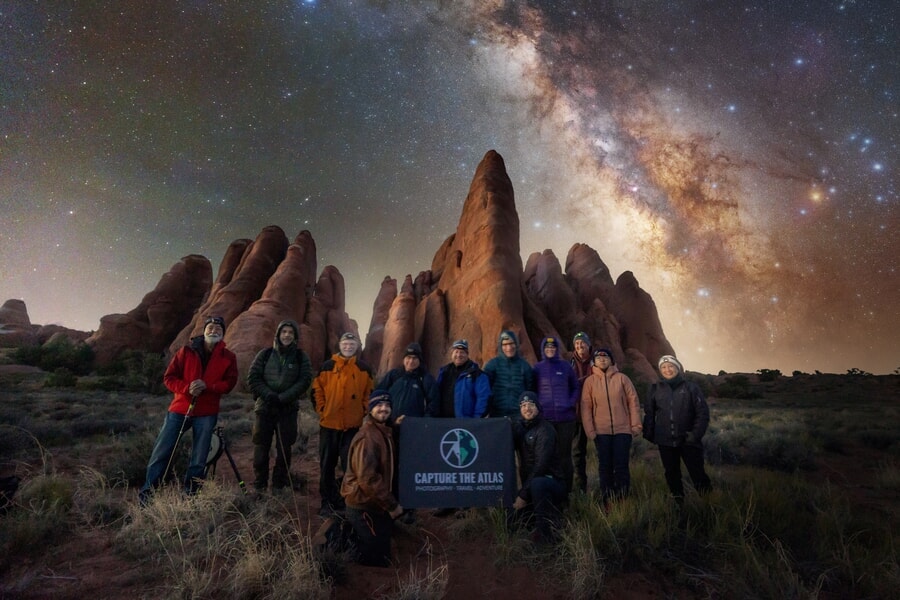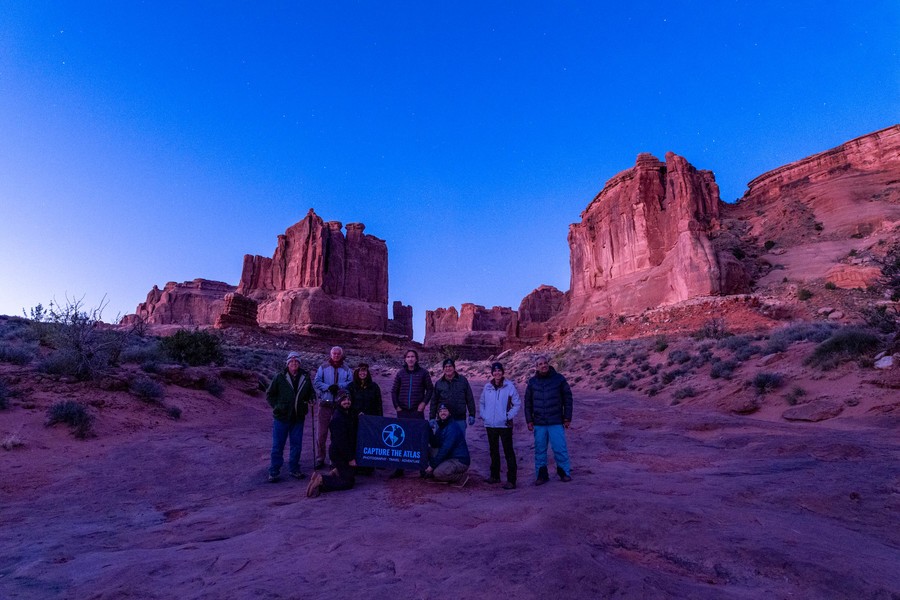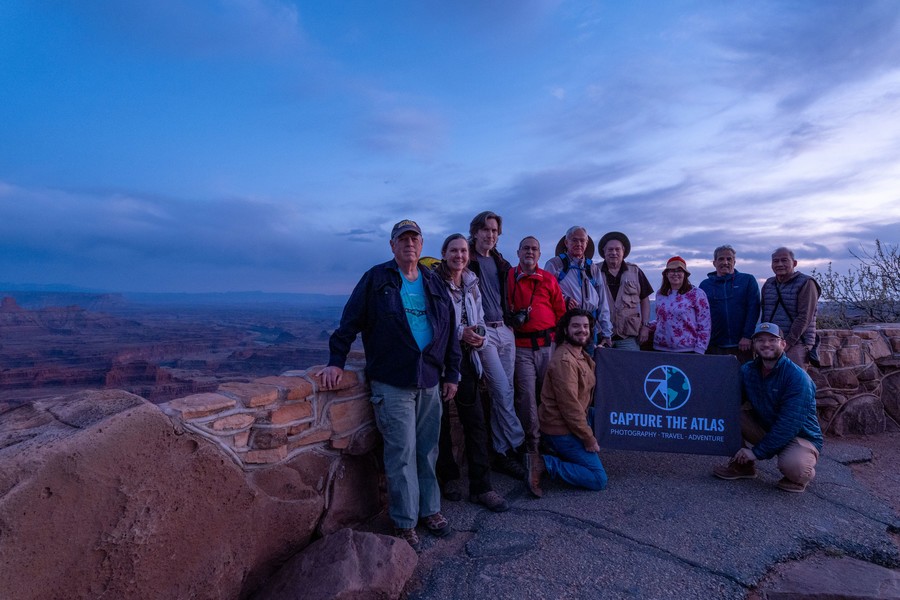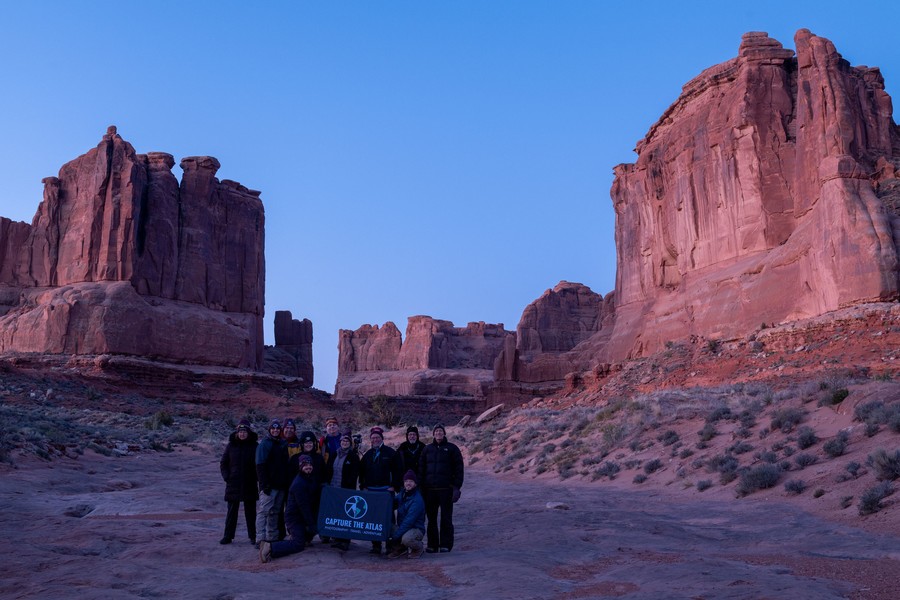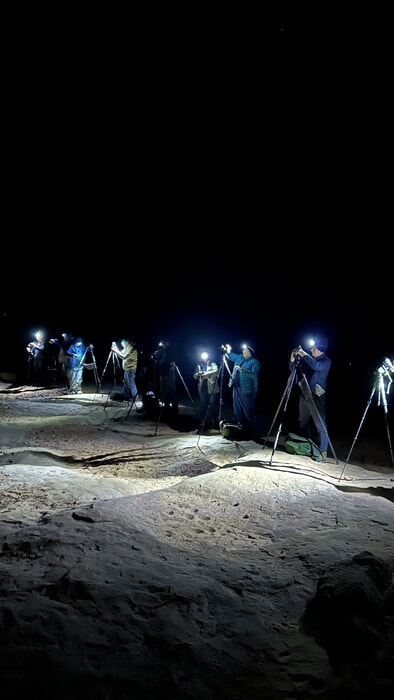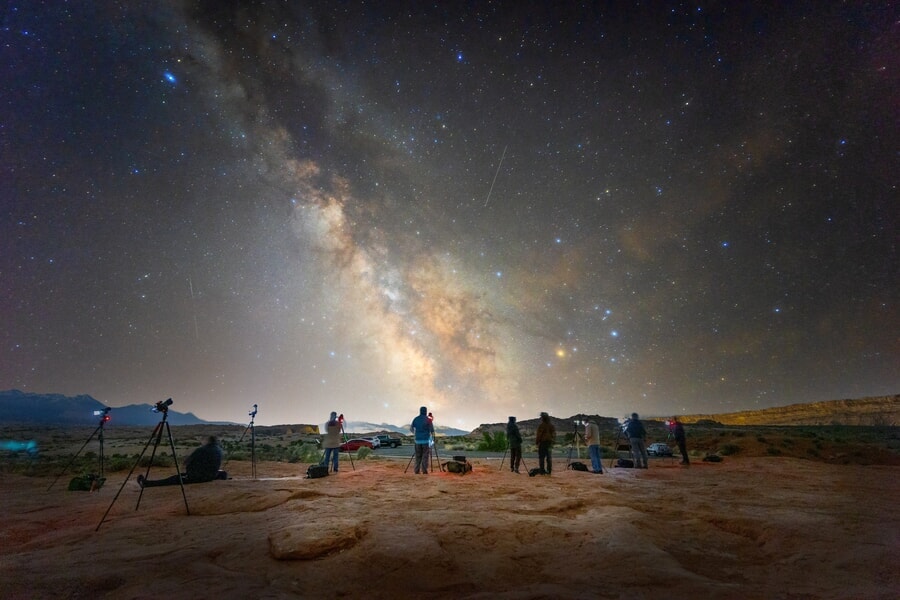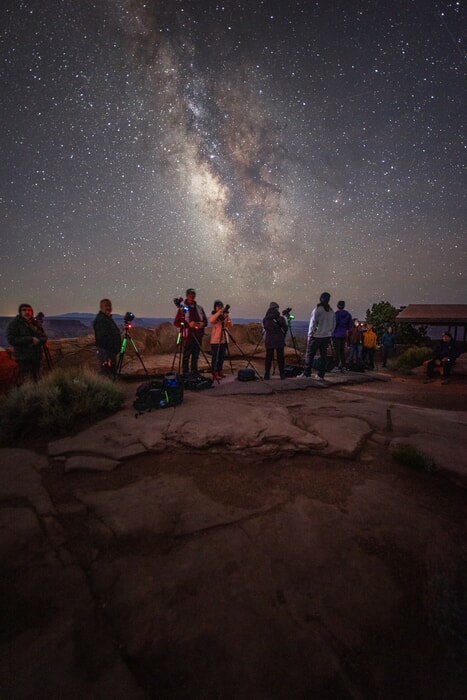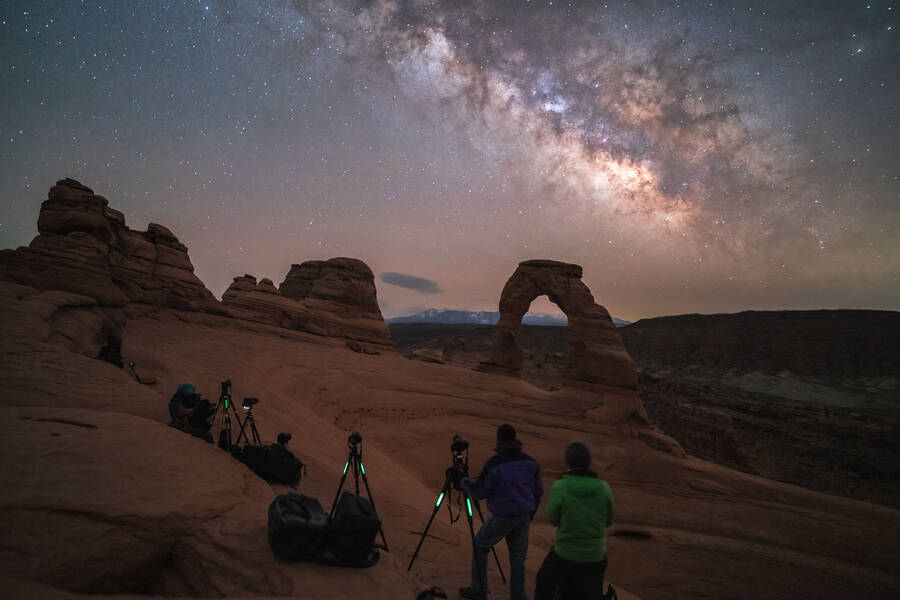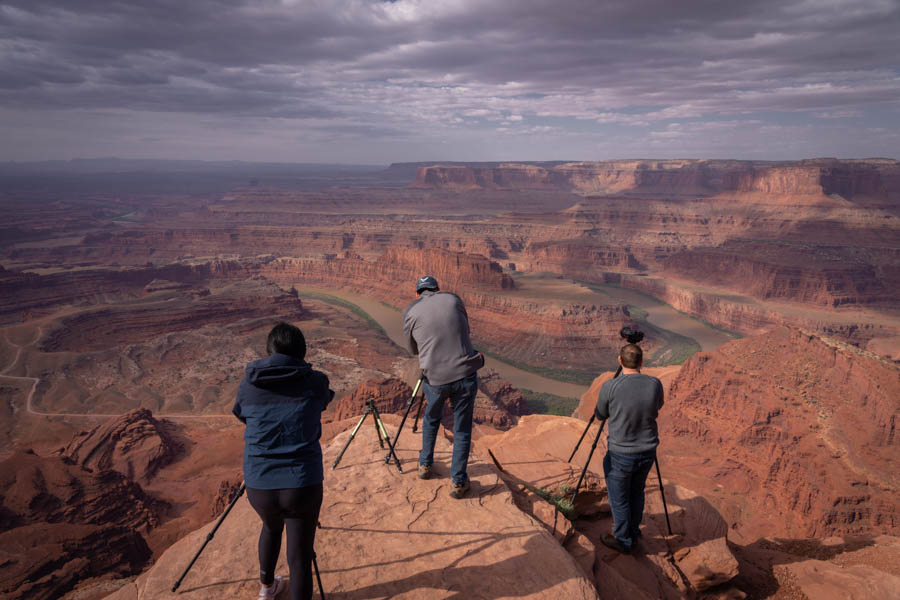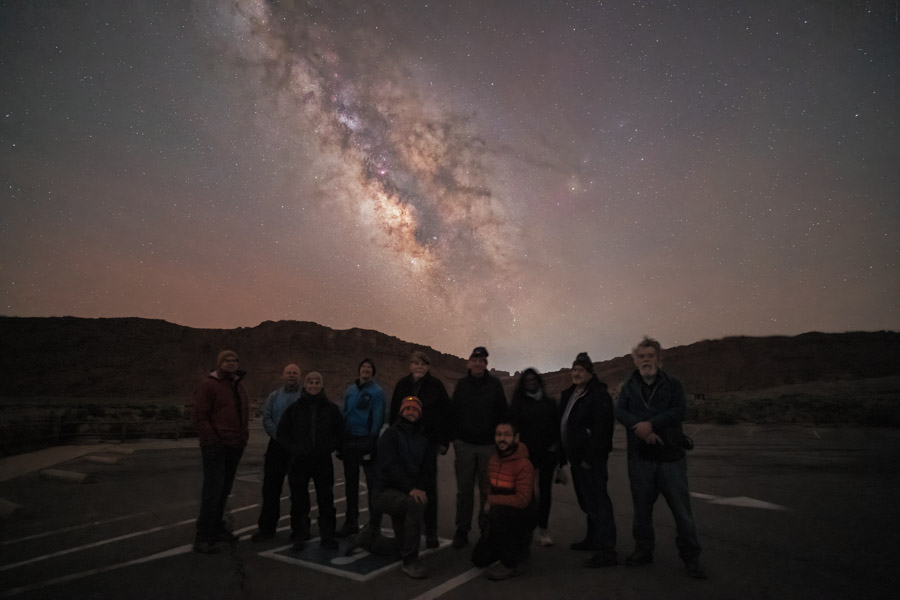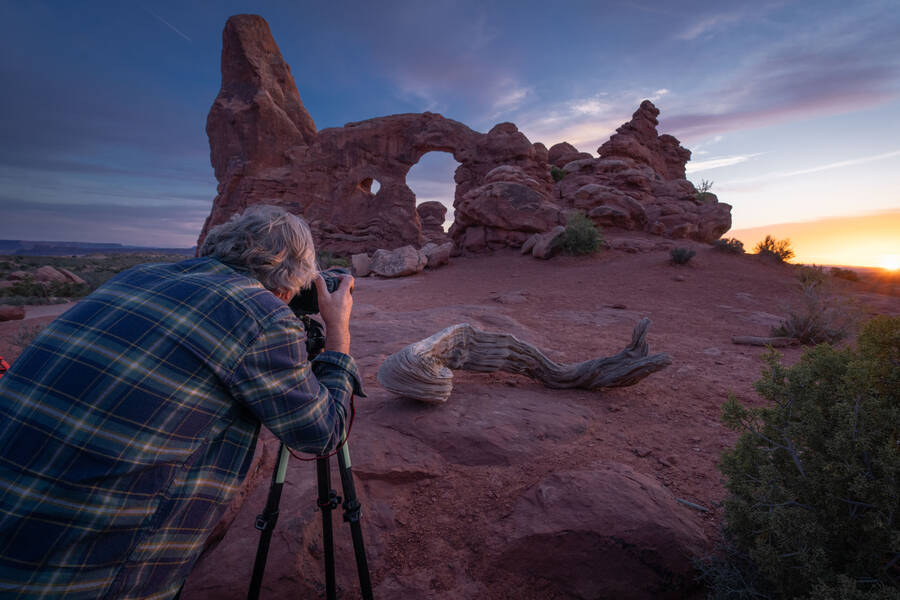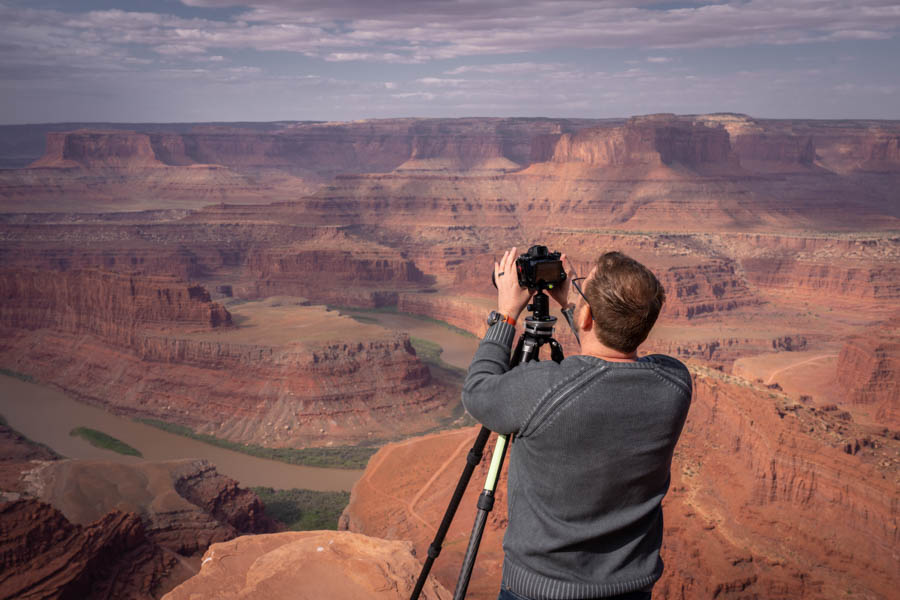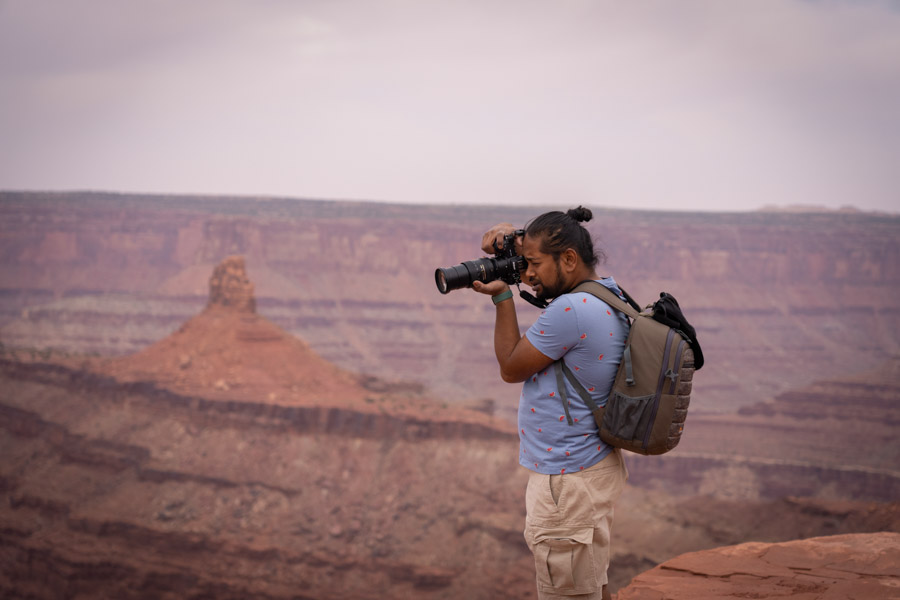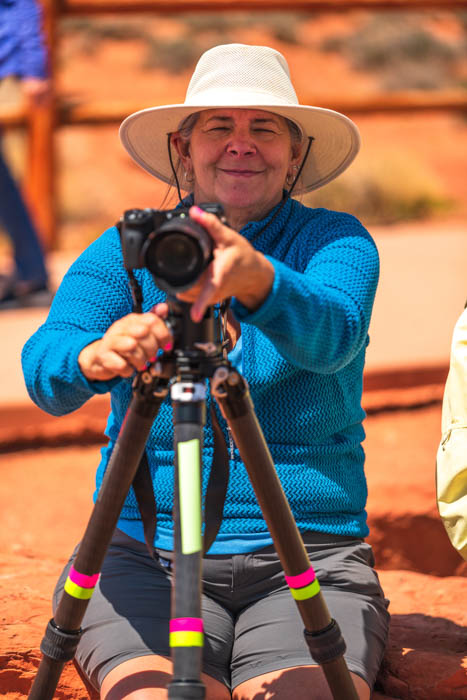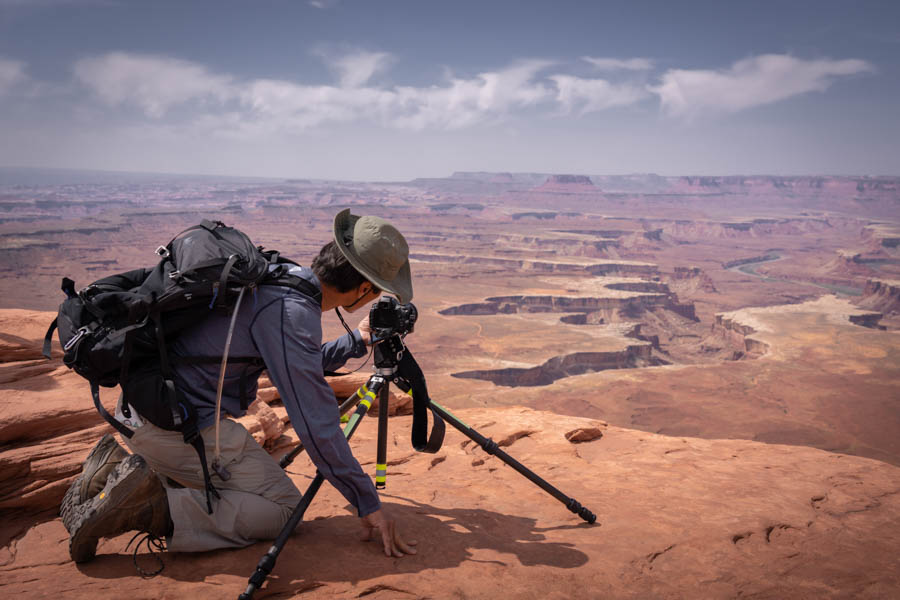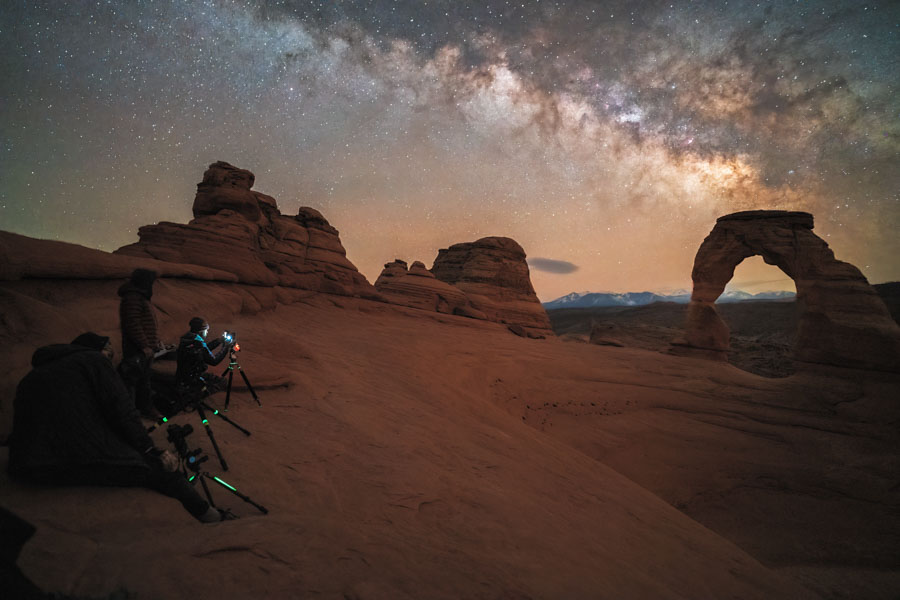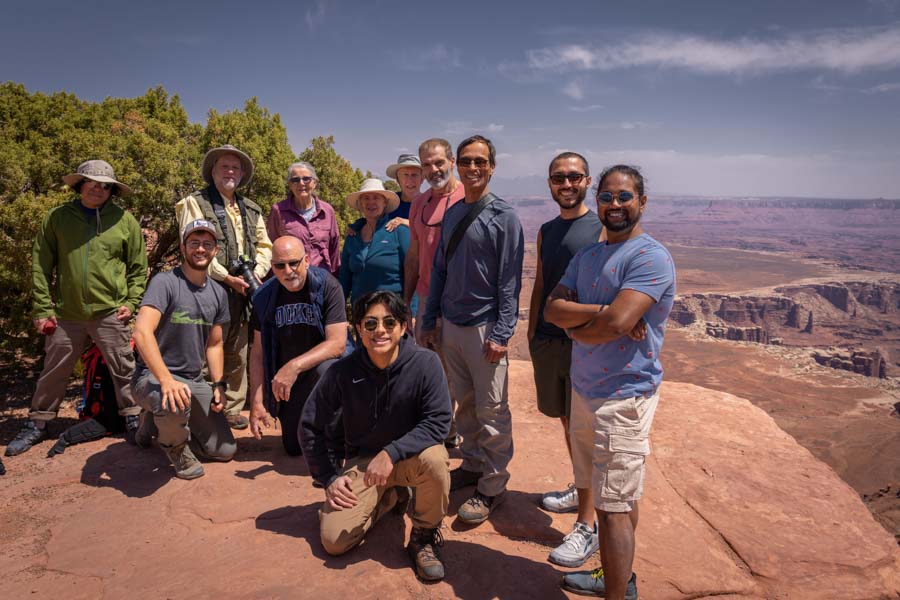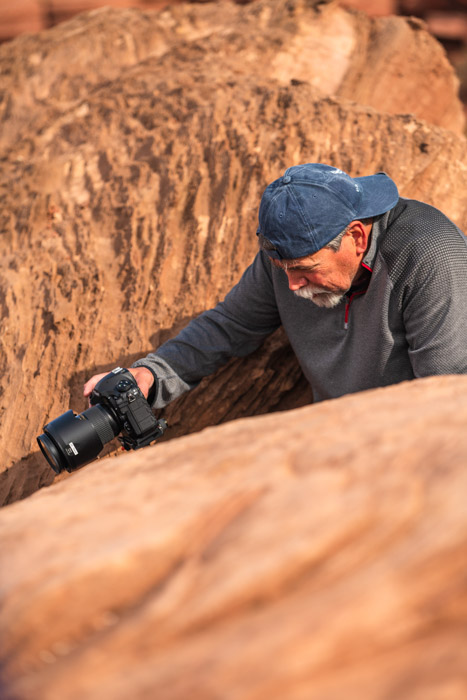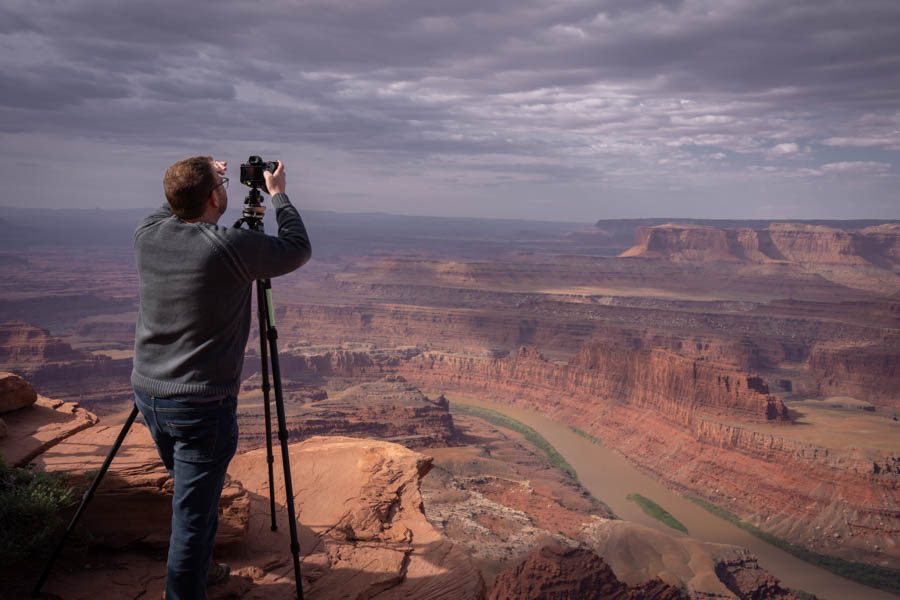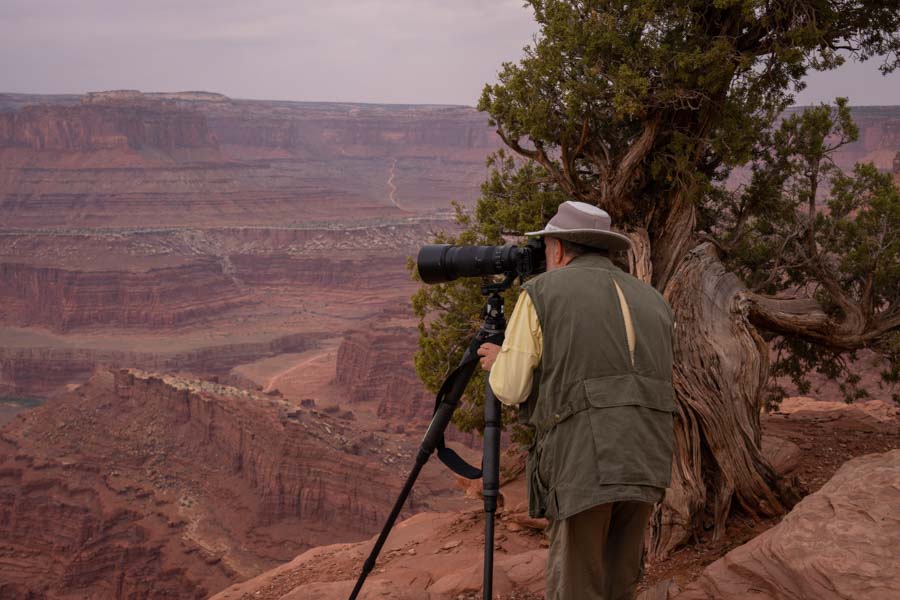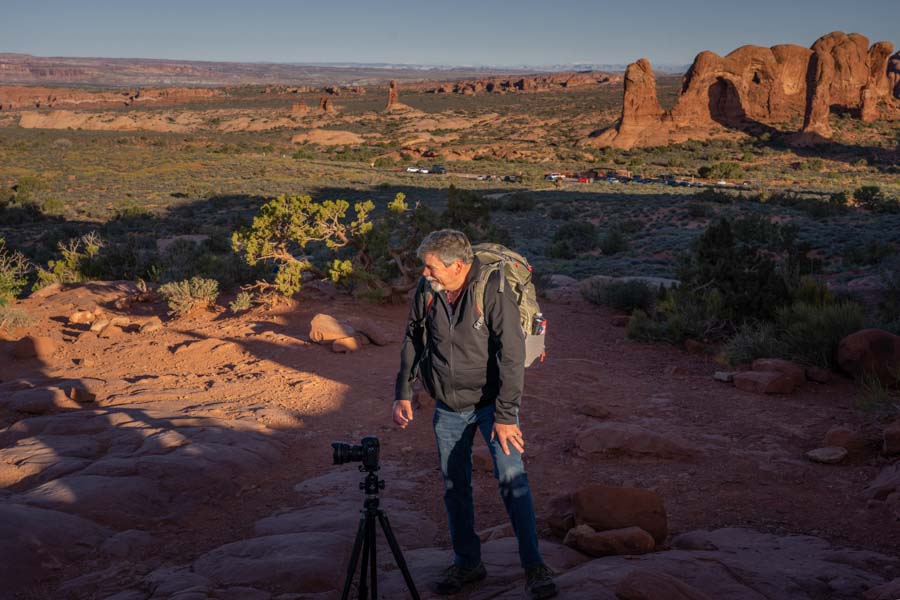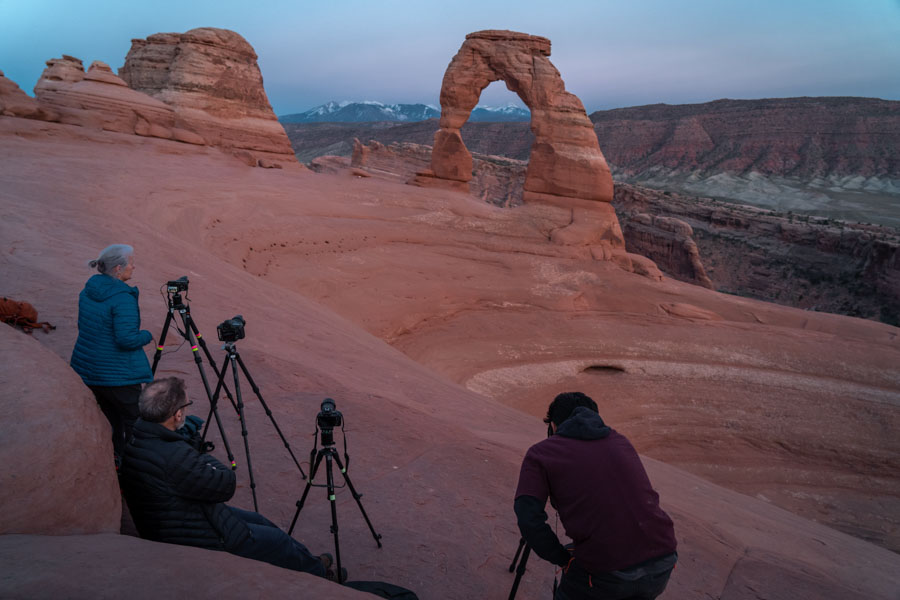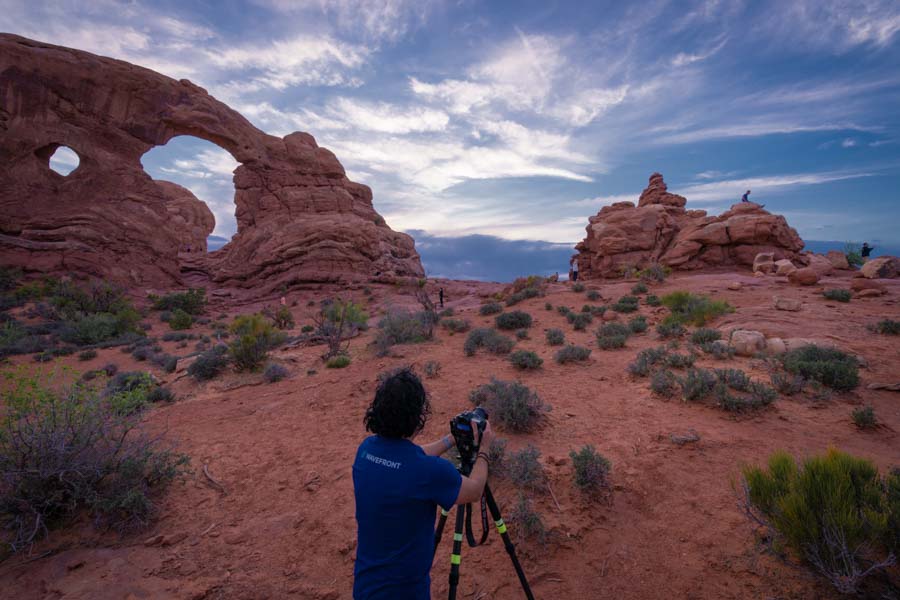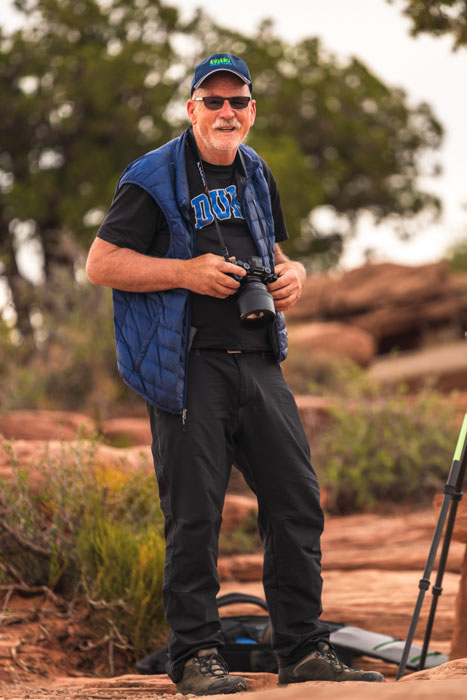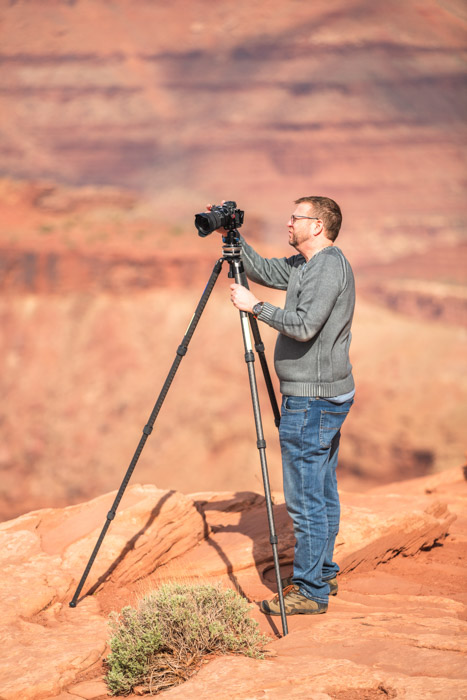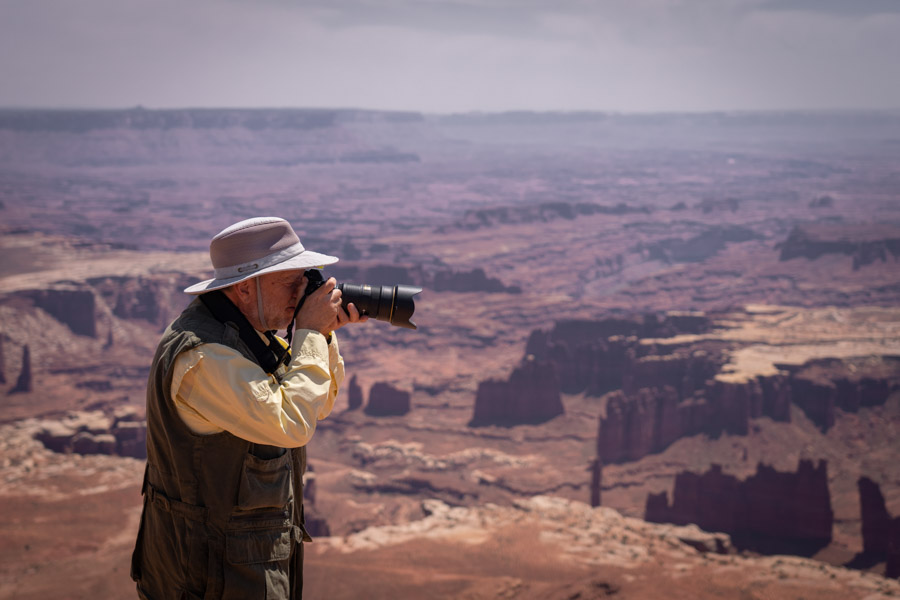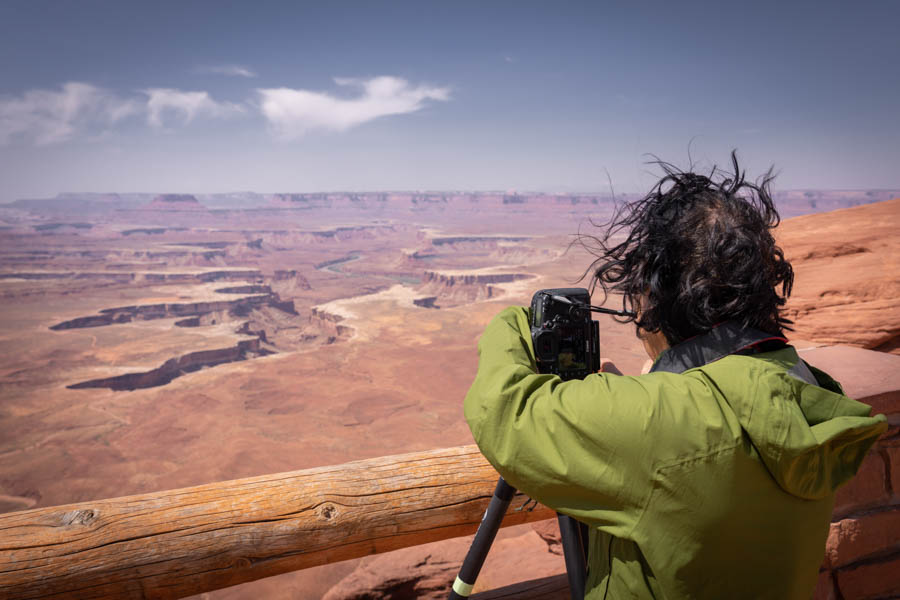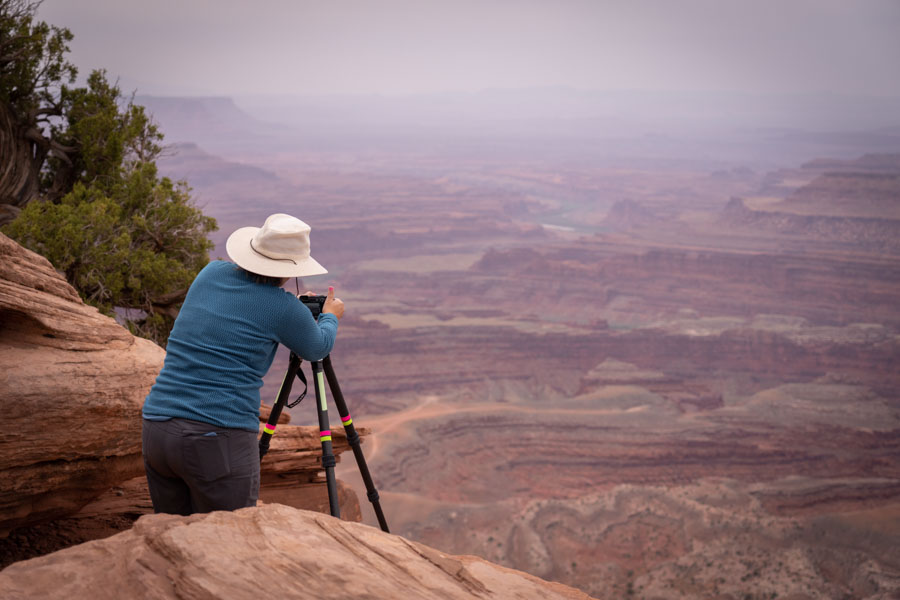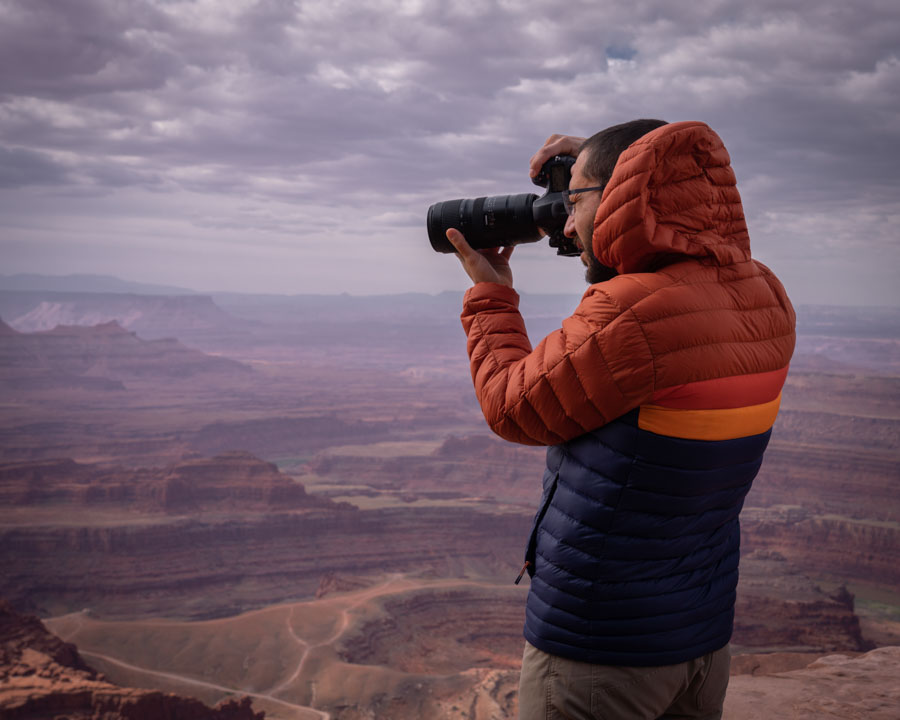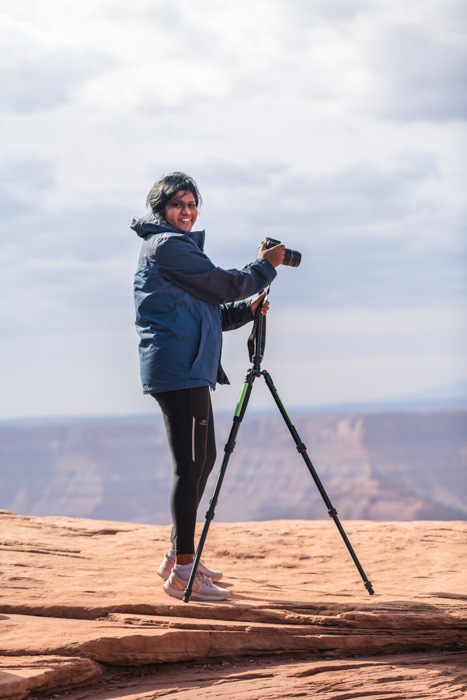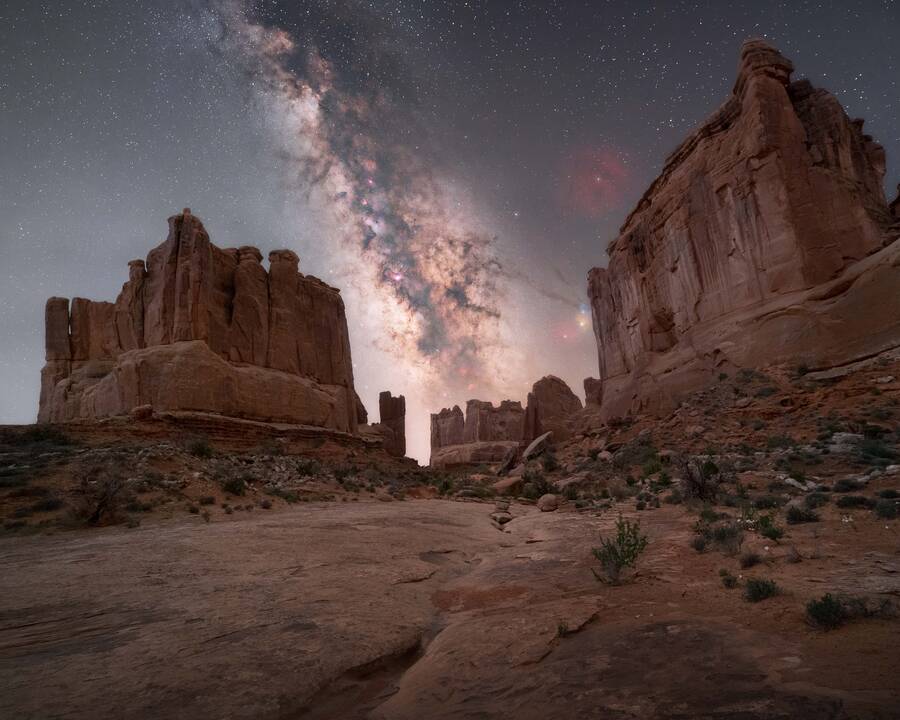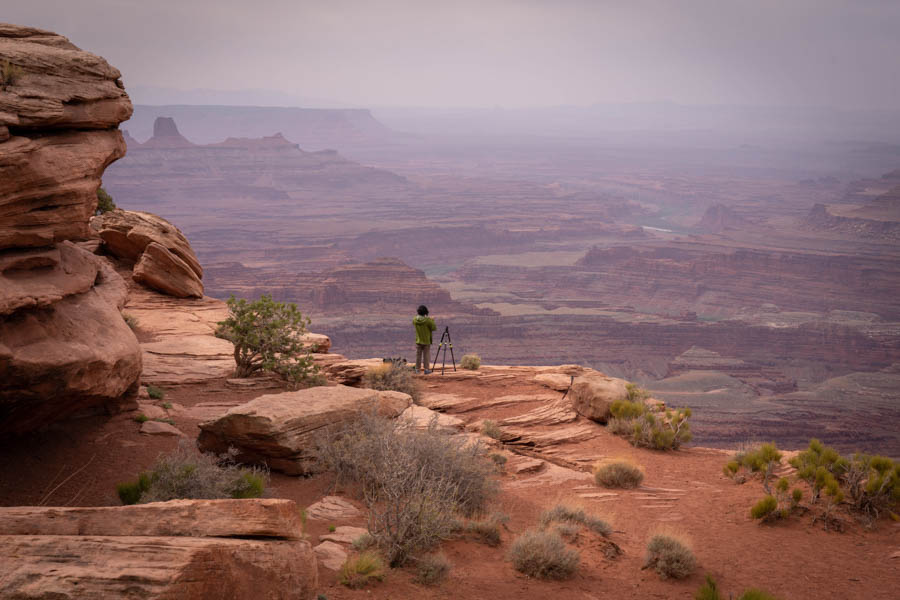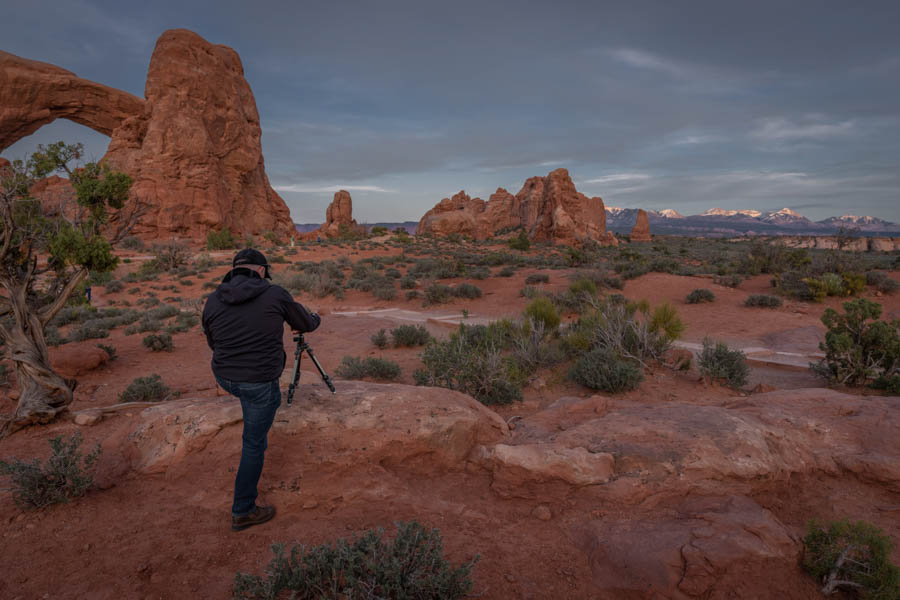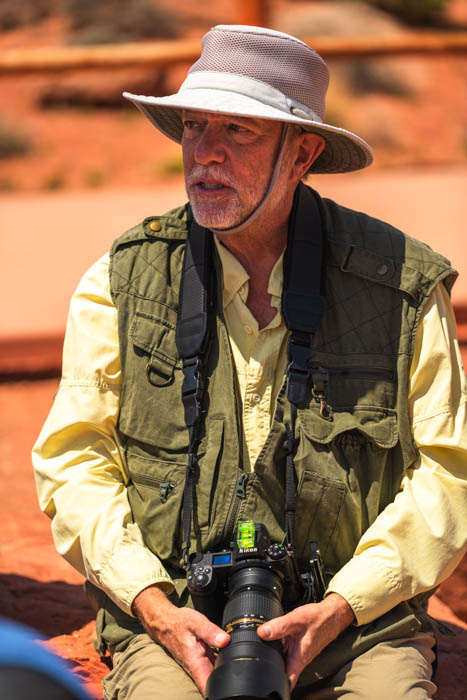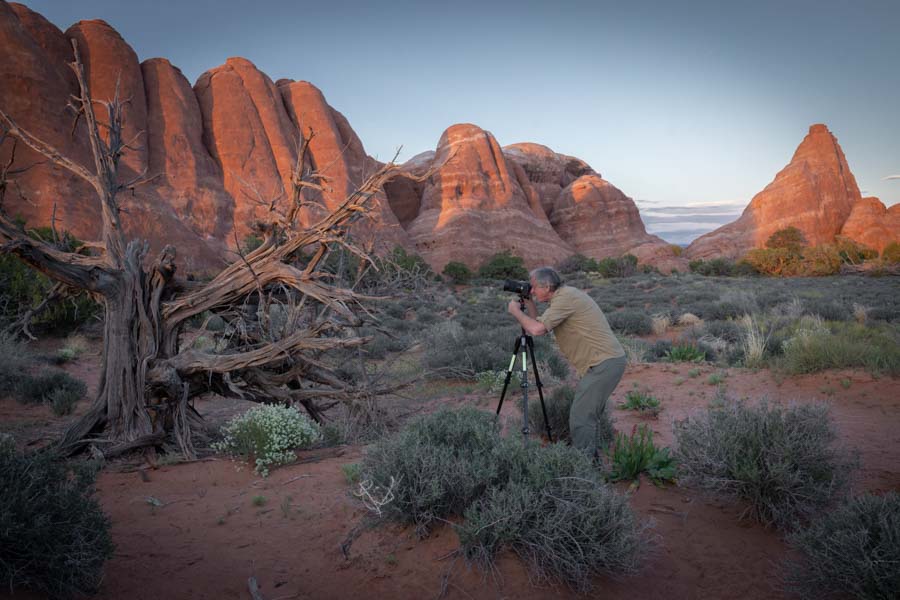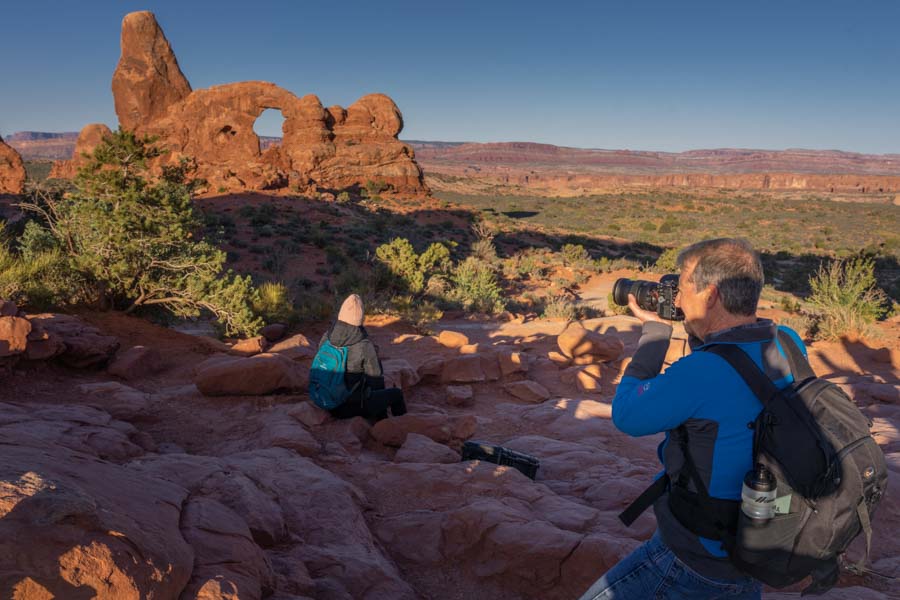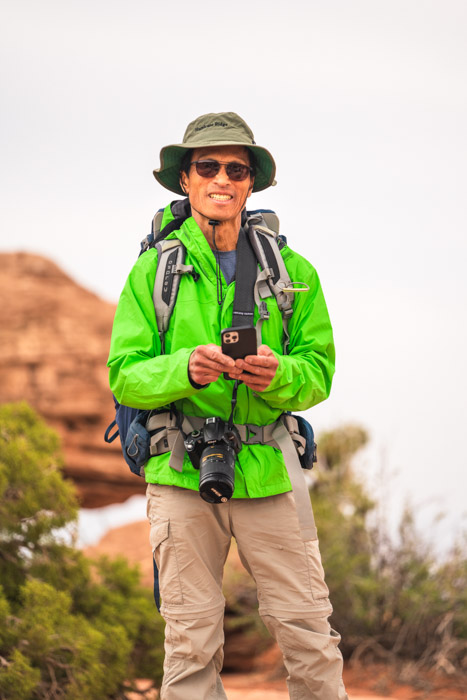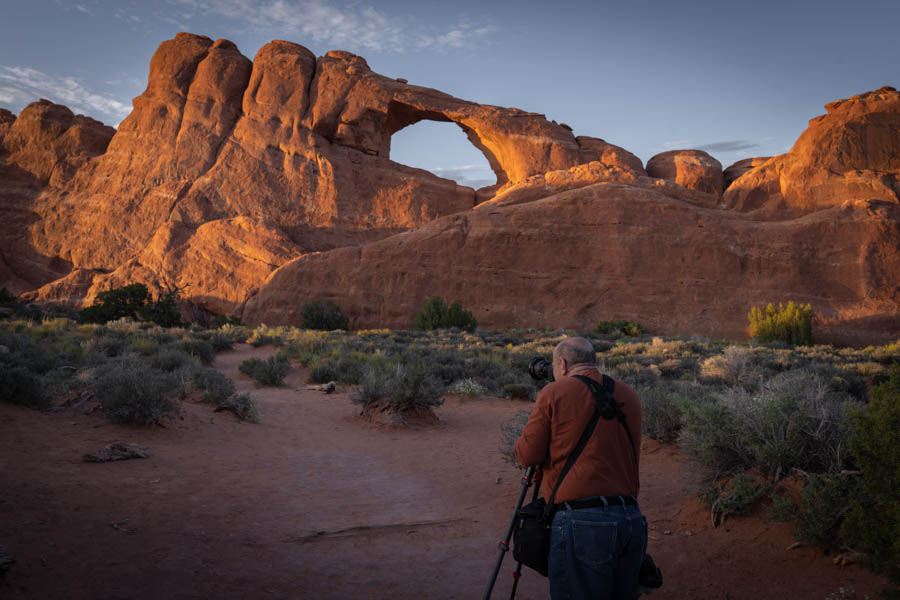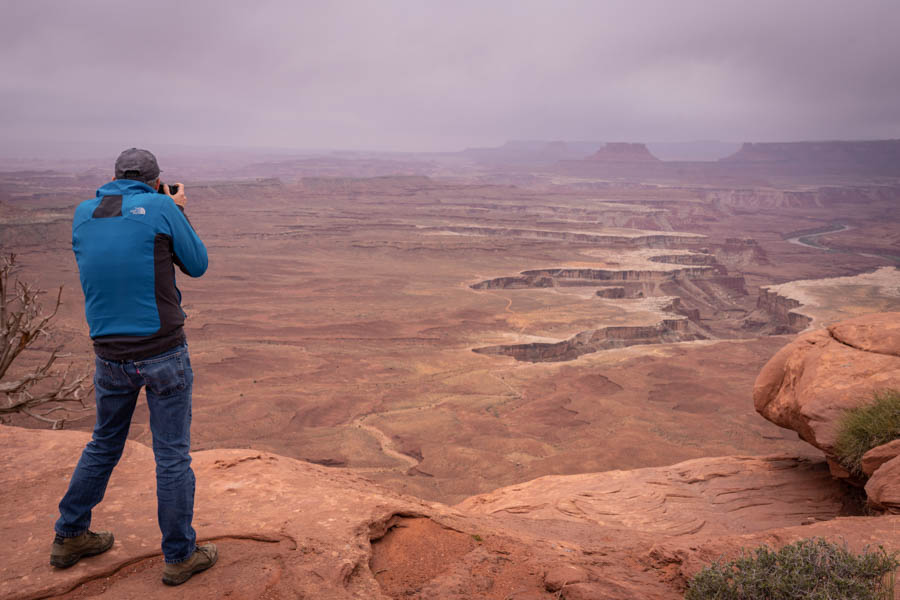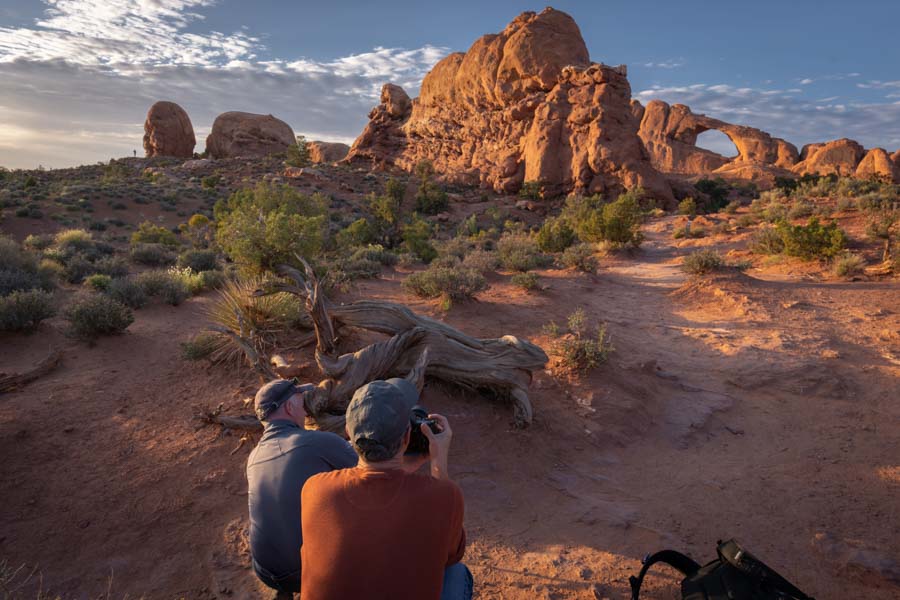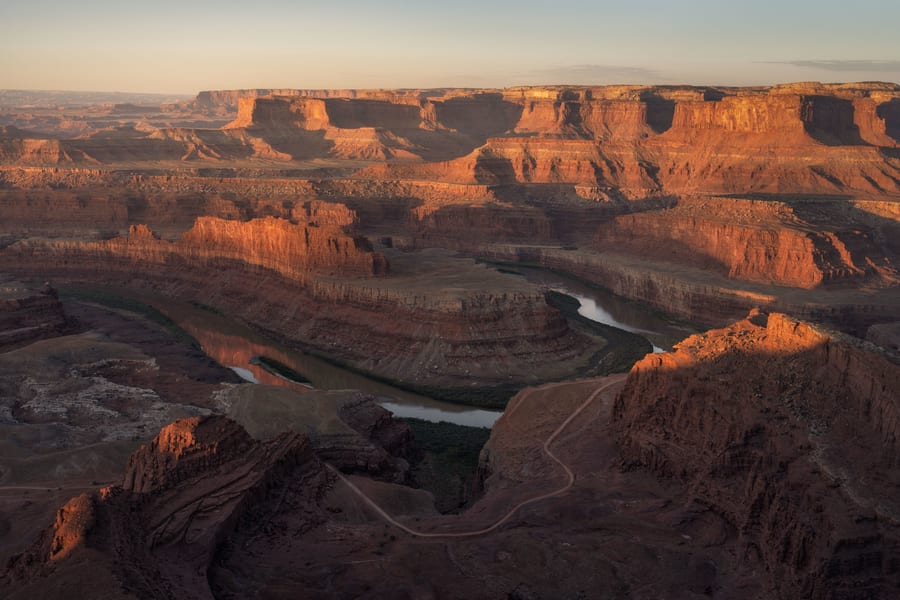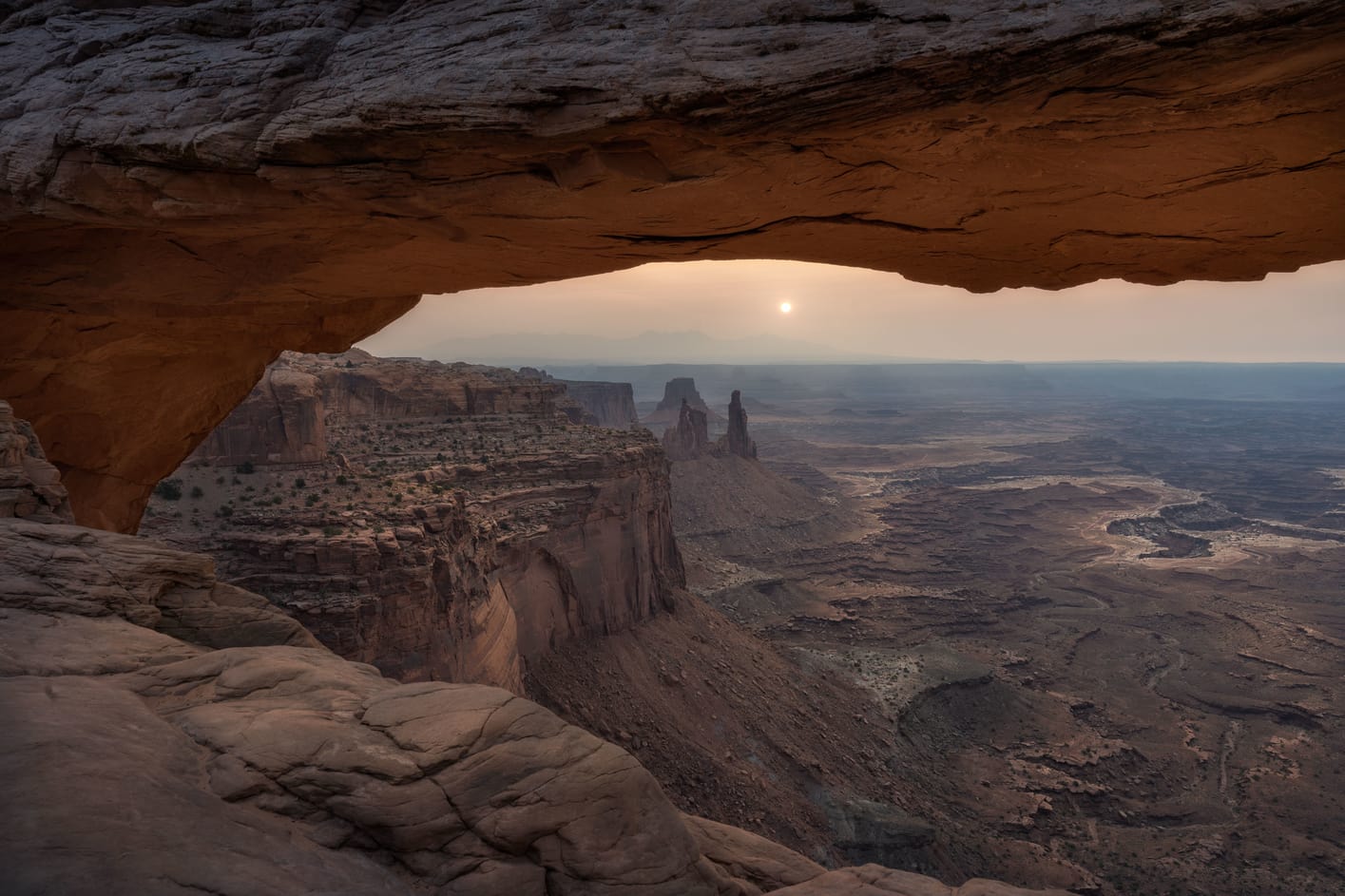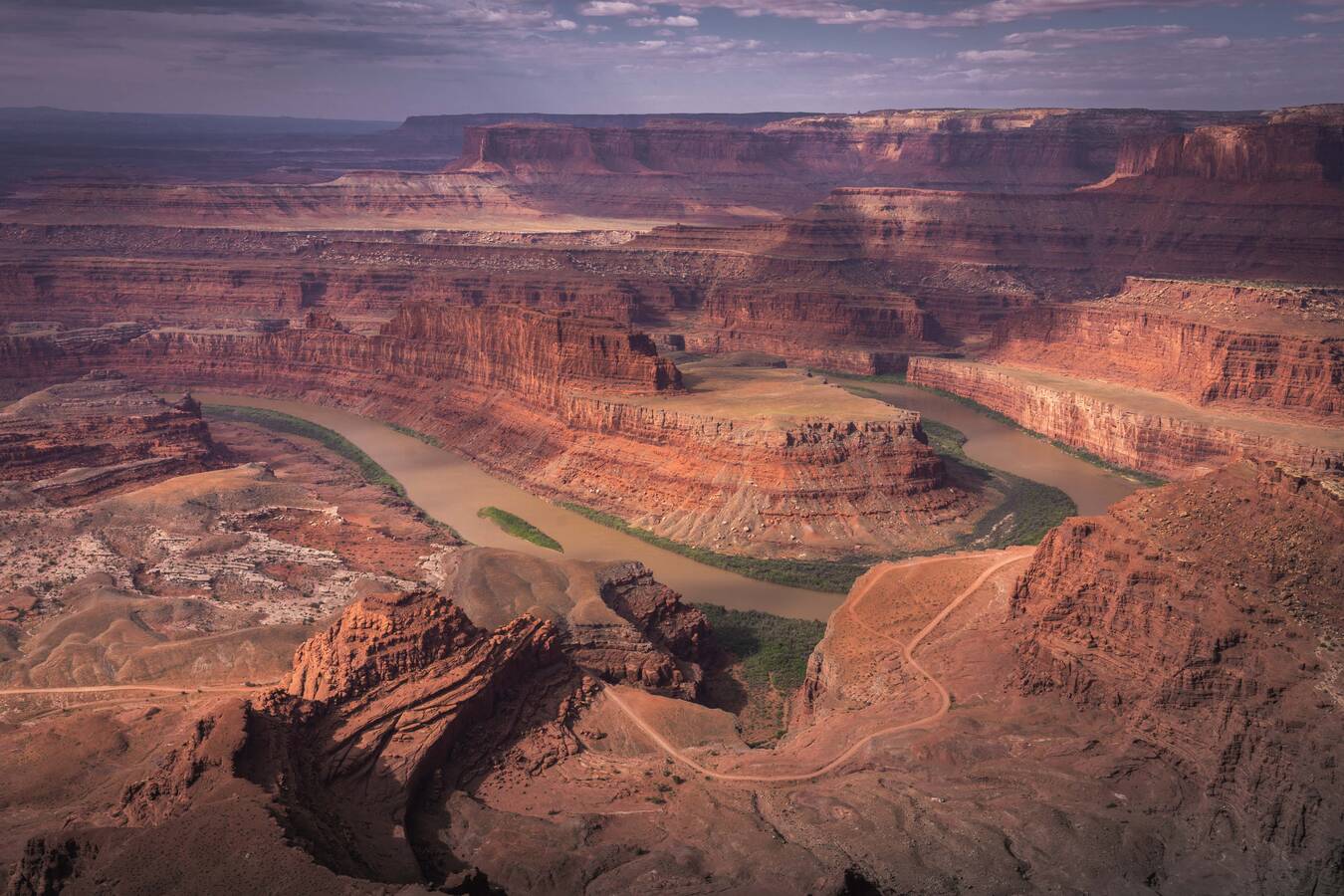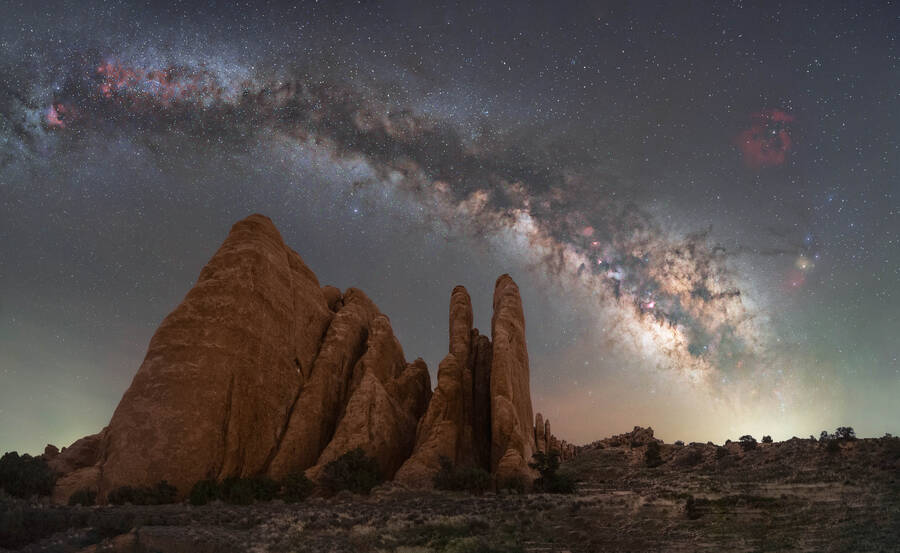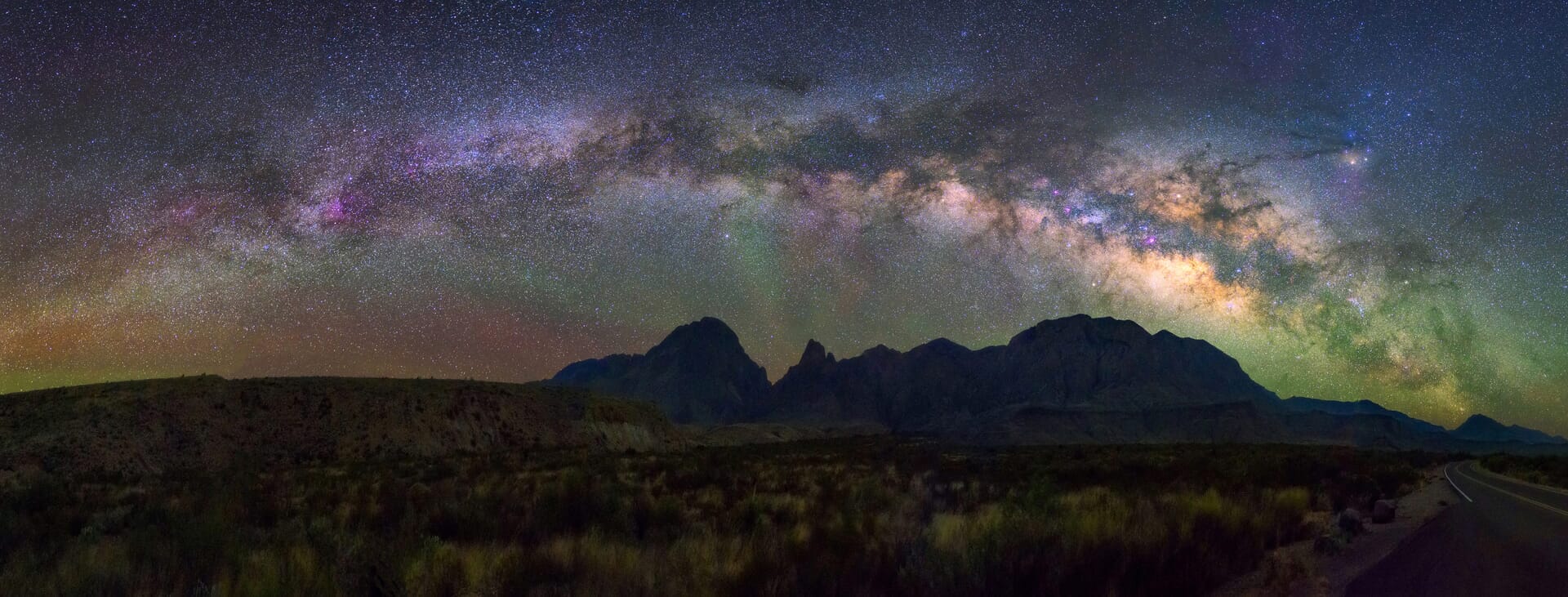
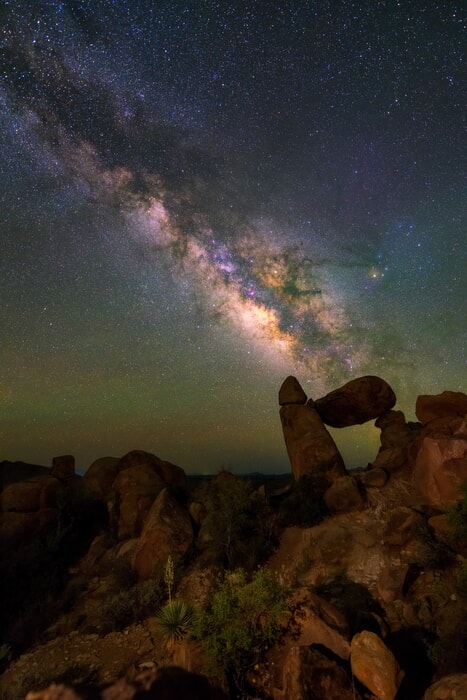

Join us for a Big Bend astrophotography workshop where we’ll capture the Milky Way over some of the most dramatic desert nightscapes in Texas. Big Bend National Park is internationally recognized for its night skies; and the National Park Service describes Big Bend as having the darkest measured skies of any national park unit in the contiguous United States.
We’re running this workshop during peak Milky Way season to maximize our chances of clear skies, best core visibility, and photogenic compositions.
(Double occupancy)
Private room available for a fee.
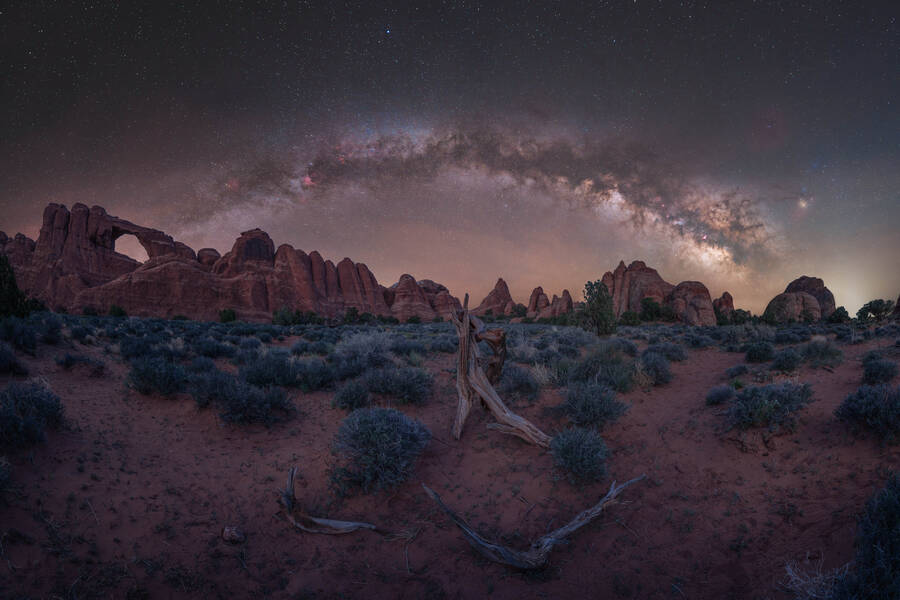
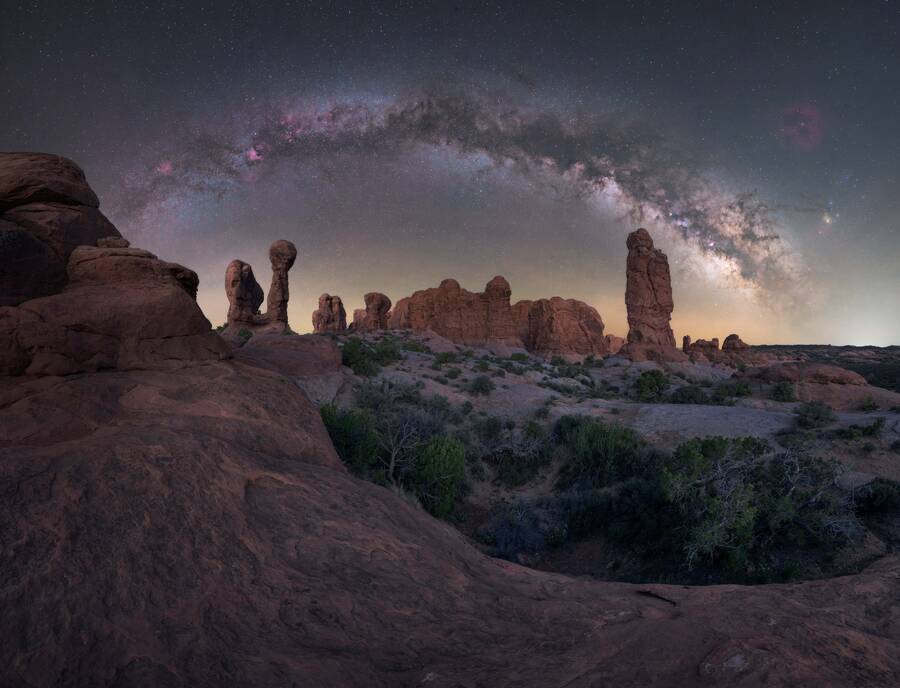
During this Big Bend astrophotography workshop, we’ll chase truly dark skies and photograph the Milky Way above one of the most iconic desert landscapes in the United States. Big Bend’s remote horizons, dramatic canyon walls, and Chihuahuan Desert foregrounds create the kind of scenes that feel made for nightscapes; the stars are bright, the air is often clear, and the compositions are endless if you know where to look.
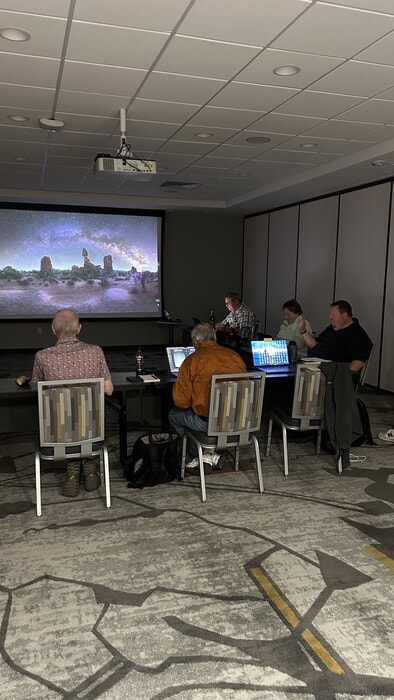
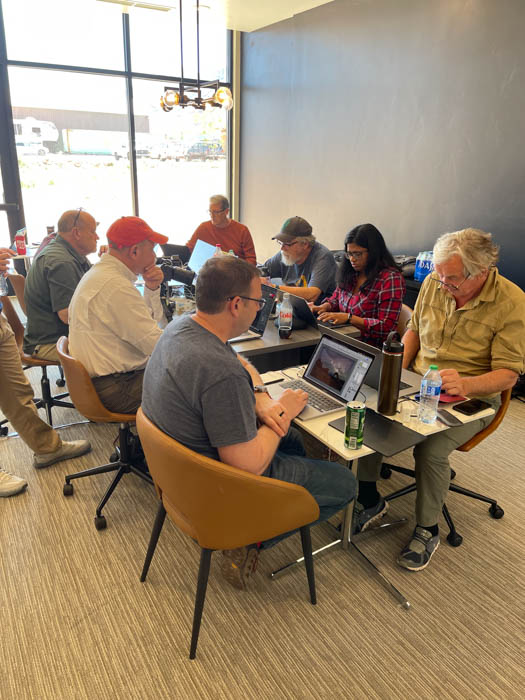
We’ll spend daylight hours scouting and refining compositions so you’re ready when the sky turns on; then we’ll use the afternoons for guided post-processing sessions where you’ll learn the best editing techniques to bring out natural color, structure, and detail in your Milky Way images. With a small group and two instructors, you’ll get hands-on support in the field and one-on-one feedback on both technique and editing; so you leave with strong photographs and more confidence in your photography skills.
While the workshop is primarily focused on night photography, we’ll also photograph sunsets, sunrises, and daytime landscapes when conditions allow; Big Bend is as compelling under golden light as it is under the Milky Way.
Our Big Bend astrophotography workshop itinerary is flexible, and it will be adjusted according to the weather conditions so you can make the most of this trip.
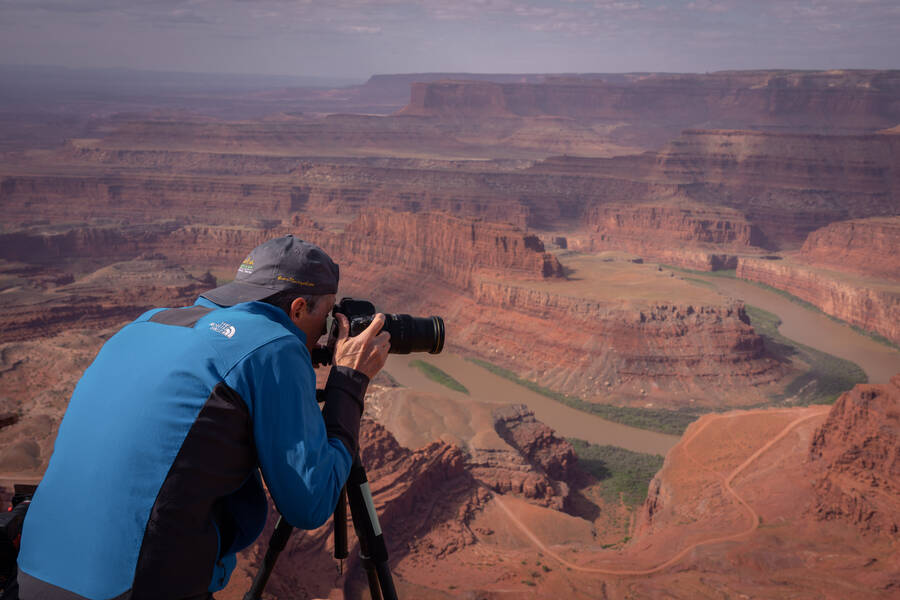
Our workshop will be at the best time of year to capture the Milky Way over the vast landscapes of Big Bend. In the spring, you can photograph Milky Way panoramas at the beginning of the night, and a diagonal Milky Way at the middle and end of the night. Nights get warmer in April, and the skies are usually crisp and clear with ideal conditions for Astro.
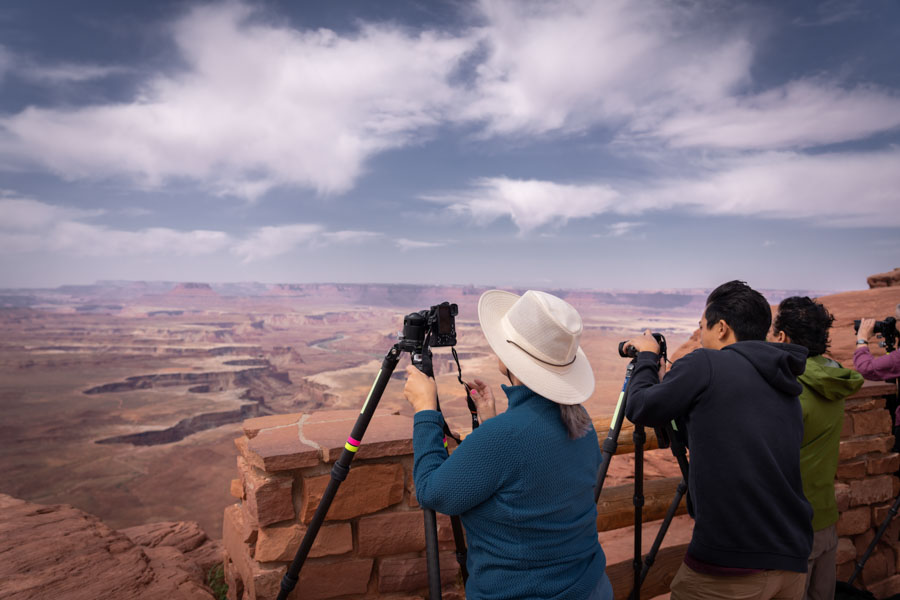
We will also have the time to shoot daytime landscapes when the clouds roll by, show you how to scout and plan images in the field, and focus on post-processing sessions during the middle of the day when the light is harsh.
Our Big Bend astrophotography workshop begins at Lajitas Golf Resort at 2:00 PM. After check-in, we’ll do a meet and greet; workshop orientation; safety briefing for night shooting; and an individual gear review.
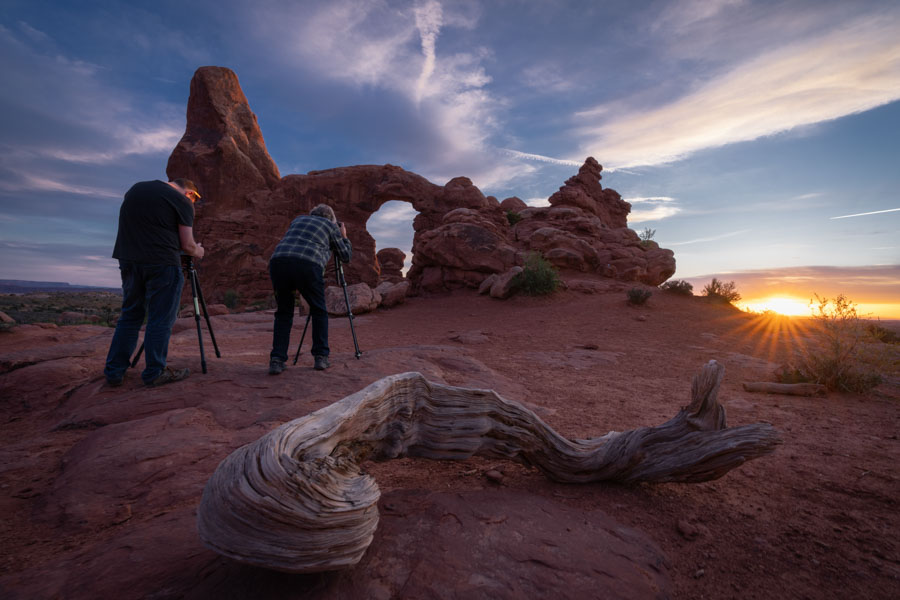
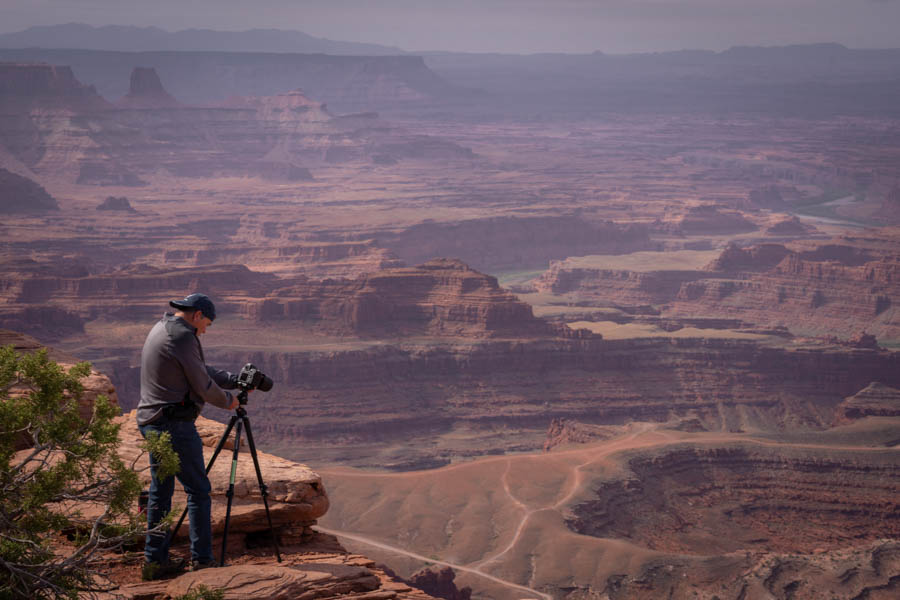
After dinner, we will head out for our first Milky Way session to capture our first Astro images in the park.
Each day follows a similar rhythm: rest after the night session; then afternoons split between guided editing sessions and downtime at the resort; followed by scouting and golden-hour photography in the park. Over the course of the workshop, we’ll run two dedicated post-processing classes focused on nightscape workflow, and we’ll keep two afternoons open for rest, resort amenities, and personal image review.
In the evenings, we’ll head into Big Bend National Park for composition scouting and sunset shooting. Depending on conditions, we may work viewpoints along Ross Maxwell Scenic Drive; including Sotol Vista and selected pullouts; plus classic Big Bend foregrounds like Mule Ears Viewpoint, Tuff Canyon, and Sam Nail Ranch. If timing and light align, we may also incorporate historic and river scenes around Castolon, Hot Springs, and the Rio Grande Village area
After sunset, we’ll transition into our Milky Way sessions; prioritizing locations that offer strong compositions with short walks from the vehicle. Potential night sessions include Santa Elena Canyon for canyon walls and Rio Grande foregrounds; desert panoramas from Sotol Vista; and other areas such as the Chihuahuan Desert Nature Trail, Dorgan-Sublett, the Fossil Discovery Exhibit, and Rio Grande Village Nature Trail.
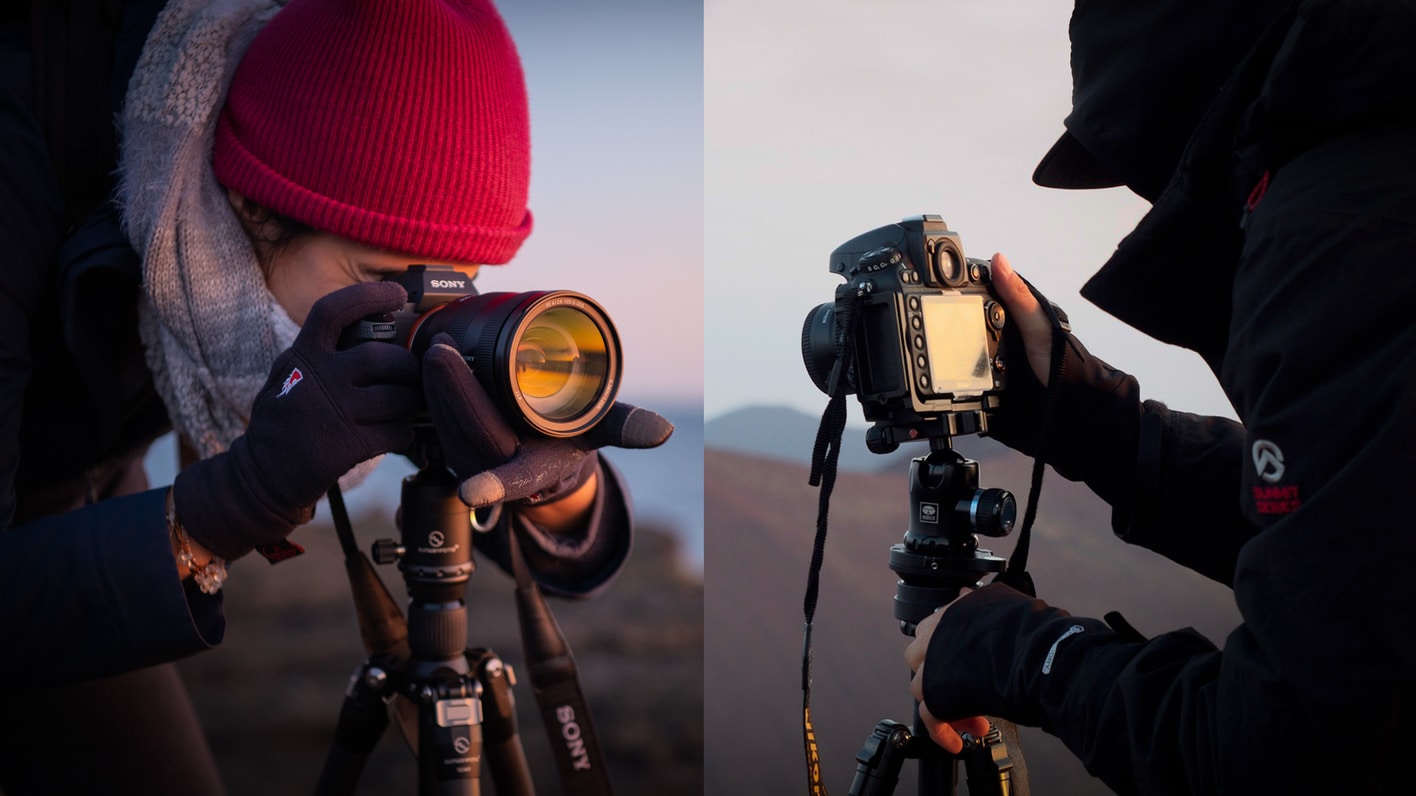
Instruction is tailored to the group; we’ll cover the fundamentals for beginners while also going deeper for advanced photographers; including star tracker shooting and blending workflows, as well as techniques for astro-modified cameras and specialized astro filters.
On the last day, after breakfast in our resort, we will conclude our Big Bed photography workshop
Deposit: USD 1,500
A $1,500 deposit is required to reserve your spot. You can also pay in full at any time. The remaining balance is due 120 days before the start date of the workshop. If the remaining balance is not paid in full by the due date, you will lose your spot.
*Capture the Atlas operates under a CUA (Commercial Use Authorization) with the National Park Service to run photography workshops on the park premises
This workshop is mainly focused on night and Milky Way photography. However, we will also photograph landscapes during blue and golden hour when conditions allow; so you’ll have plenty of opportunities to learn about landscape astrophotography.
Some of the photography basics you can learn during the workshop are:
Some of the advanced photography techniques you can learn during the workshop are:
Some of the post-processing techniques that you can learn with are:
Note: As soon as you sign up, you’ll have access to the Capture the Milky Way course; this will give you a strong base before the workshop.
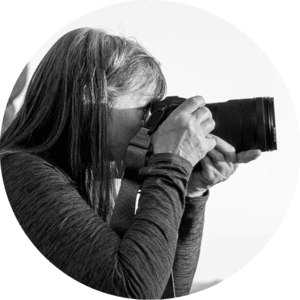
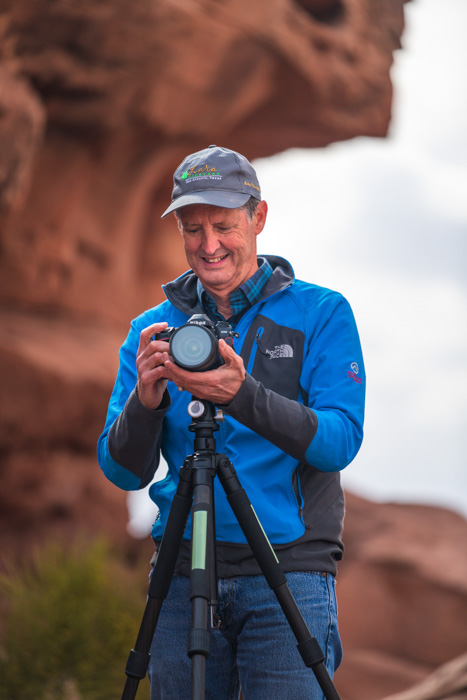
Dan is a professional landscape and astrophotographer based in the desert Southwest. He specializes in wide-field nightscapes and Milky Way photography; with a teaching style focused on practical field technique and repeatable post-processing workflows.
He’s the co-founder of Capture the Atlas; and he has led astrophotography workshops around the world, helping photographers of all levels succeed across a wide range of conditions and environments.
His work has been featured by NASA, National Geographic, The New York Times, and Forbes; and he earned the People’s Choice award in the 2022 Astronomy Photographer of the Year competition.
Kai Longridge is the co-leader of this workshop. He is a skilled astrophotographer with a strong focus on wide-field nightscapes and Milky Way photography; combining solid technical knowledge with a natural, realistic style.
Kai is based in Southern California and has explored and photographed many of the best dark-sky locations in the American Southwest; including desert and national-park environments.
He has taught astrophotography in hands-on settings; from one-on-one sessions to public star parties; and is known for a practical, approachable teaching style that helps photographers understand the “why” behind each decision.
Kai’s background in the telescope industry strengthened his ability to troubleshoot gear quickly and keep groups supported in the field. He will be able to help you with your night photography from the basics to advanced techniques like star-tracking and blending, with plenty of individual guidance during shooting and editing sessions.
A complete list of everything that we recommend for this tour is sent to all participants upon sign-up. Below, you can find a summary of things you might need:
Some optional items if you are focused on advanced MW photography are:
*While zoom lenses are acceptable for this workshop, prime lenses are recommended for Milky Way photography. Some of the best lenses in this range are:
You can get them either from your camera brand or from third-party manufacturers like Rokinon or Sigma.
*This Big Bend astrophotography workshop focuses on Milky Way nightscapes and not on deep-sky imaging. However, you can bring a telephoto or smart telescope and take your own deep-sky photos if you like. Our instructor Kai is also a seasoned deep-sky astrophotographer and can help with this type of imaging.
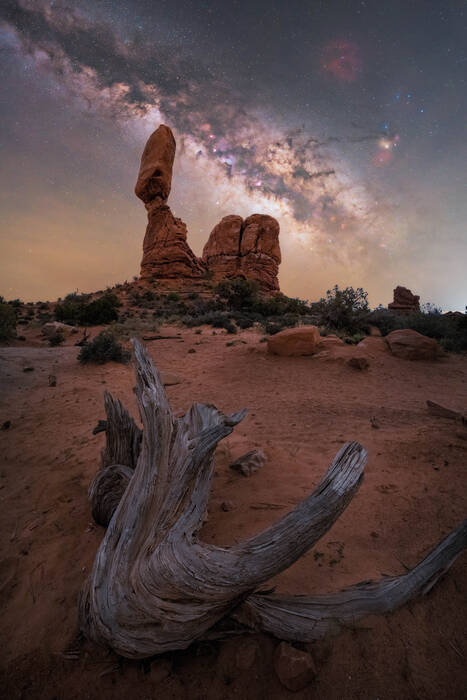
Even though the sun makes temperatures very warm during the day, nights can be chilly on the Desert, especially if there is wind.
For this reason, we recommend bringing the following clothing:
A light hat and gloves for the night photography sessions in case it gets cold.
If you are traveling from outside the US, you may need a specific travel visa or an electronic travel authorization (“ESTA”) depending on your country of origin. We can help you with this process.
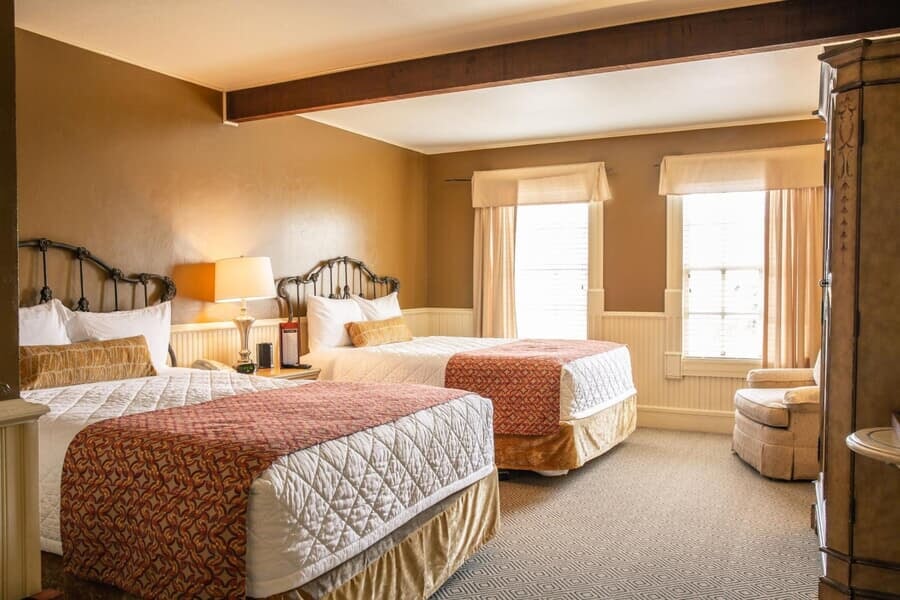
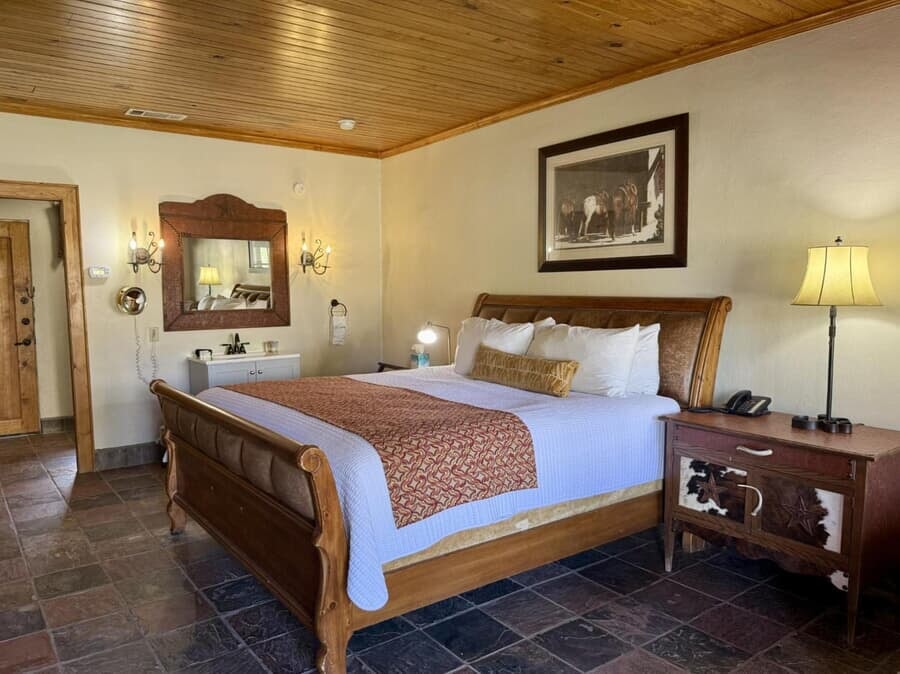
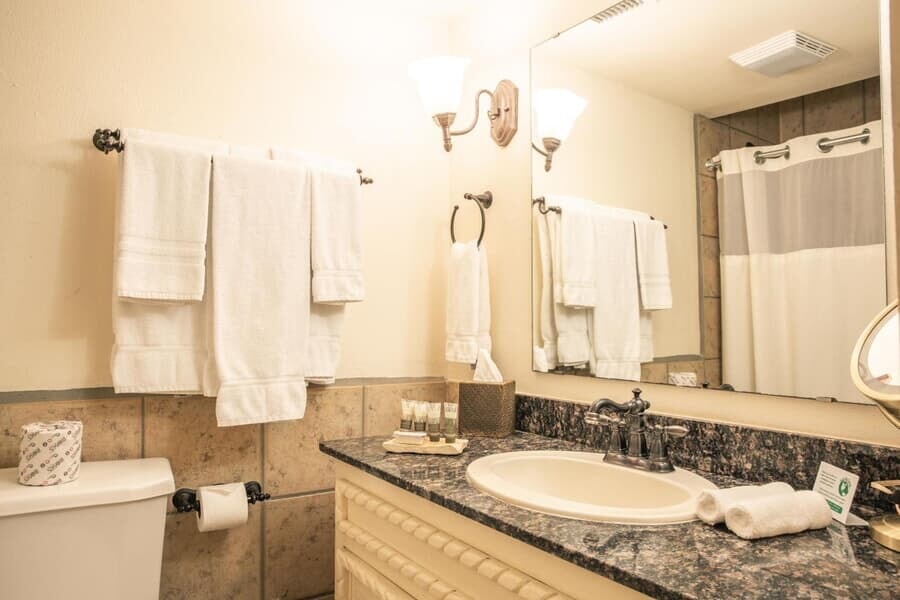
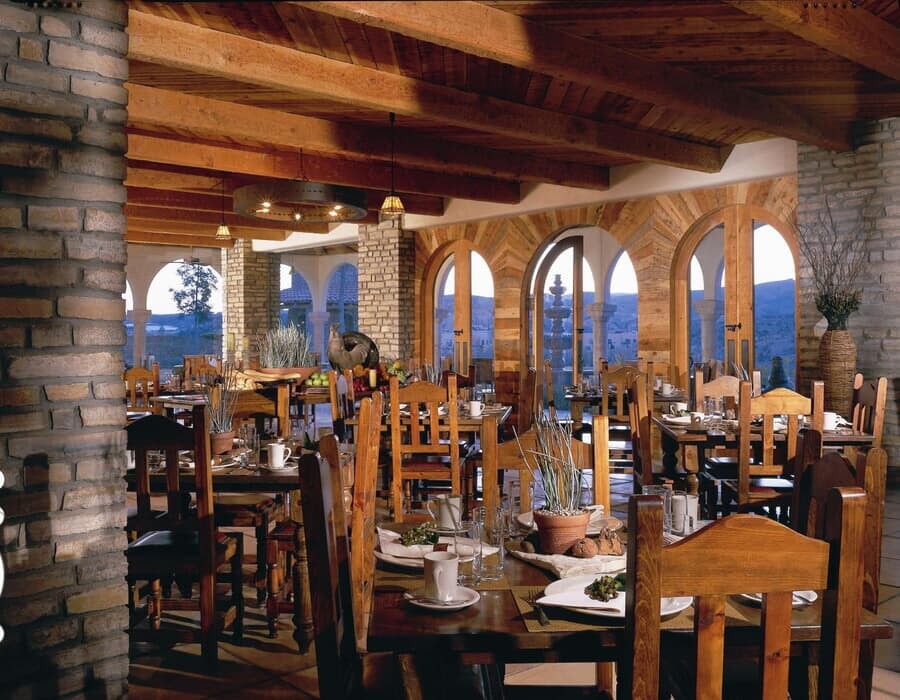
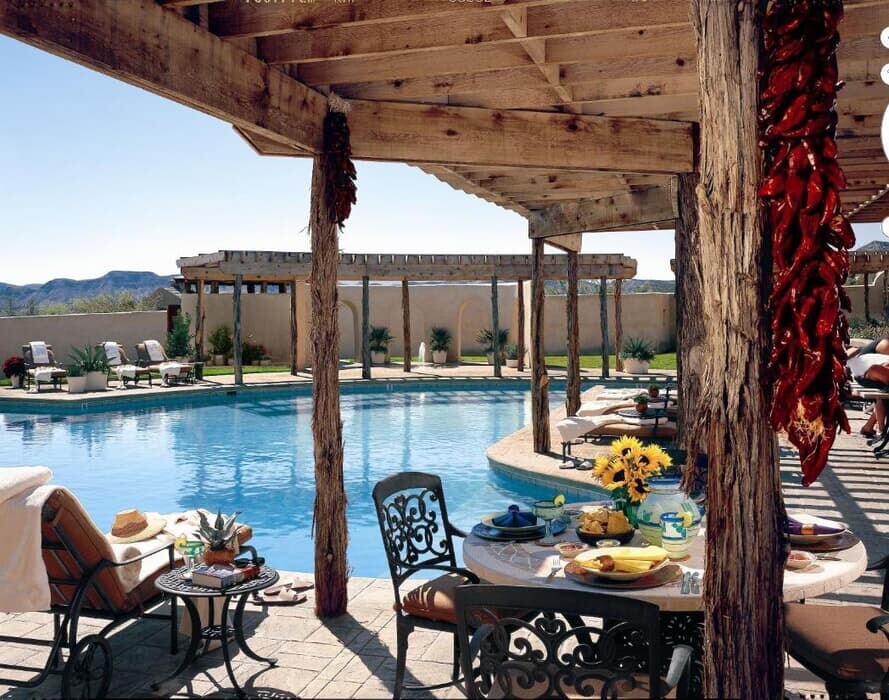
We will stay at Lajitas Golf Resort; a unique, high-end desert resort in the heart of the Big Bend region; and one of the highlights of this workshop. After long nights in the park and early-morning rest, having a comfortable base makes a meaningful difference; and Lajitas delivers with a strong blend of convenience, atmosphere, and amenities.
The resort offers comfort-forward lodging in a classic “Old West” setting; an excellent fit for a schedule built around late nights and slower mornings. Between shoots and editing sessions, you’ll have on-site dining options, a pool, spa, and golf; plus plenty of space to unwind, recharge, and review images. Breakfast is included in your workshop package.
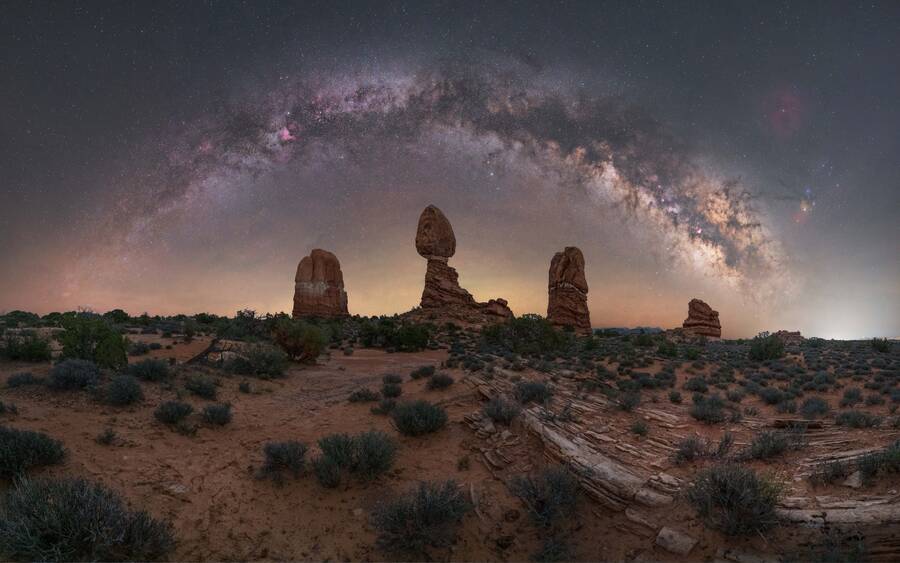
Accommodation is included in shared double rooms. A limited number of private rooms are also available for an extra supplement, and breakfast is included every day.


This workshop doesn’t involve any long or strenuous hikes; most of our shooting locations are just a short walk from the parking areas, and we plan locations to keep walking distances reasonable.
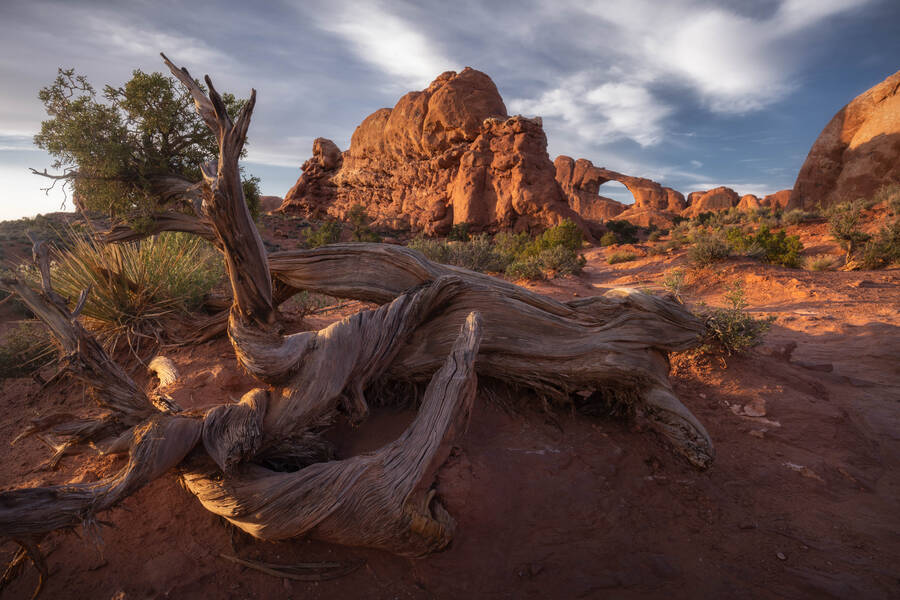
Keep in mind that most of our photography sessions will take place at sunrise or after sunset; this means we’ll be following a largely nocturnal schedule throughout the workshop. On some days, you may need to sacrifice a bit of sleep to make the most of the Milky Way and changing conditions; for that reason, we recommend being in good physical shape and maintaining steady energy levels throughout the trip
Participants typically fly into Texas and then rent a vehicle. There is no public transportation in the immediate vicinity of the park; rental cars are available at major airports.
Below you can see the recommended commercial airports (best options on top; drive times are approximate):
Airline ticket prices will depend on the airport you are flying from. We recommend reading this article if you want to find the best flights from your current location.
Transportation is not included. All driving during the workshop will be on paved, well-maintained roads; so any standard vehicle is suitable, and there is no need for a high-clearance or 4WD vehicle for our planned locations.
When traveling between shooting spots, we will try to carpool as often as possible. Some parking areas in Big Bend are small, and we want to minimize congestion and our overall impact; carpooling also helps keep the group coordinated and simplifies logistics for sunrise and night sessions.
Meals are not included; except for breakfast at our resort.
Because our schedule depends on weather and shooting conditions, we recommend buying a few groceries and snacks before the workshop starts (drinks; quick meals; protein bars; etc.). Big Bend is remote, and options near the park can be limited; it’s easiest to do a larger grocery run in a bigger town on your route or near your arrival airport before driving to Lajitas.
For lunch and dinner, Lajitas Golf Resort has convenient on-site options; and when conditions allow, we’ll also try to go out as a group to a local restaurant for lunch or dinner.
Big Bend National Park charges an entrance fee; you can purchase your pass in person when you arrive at any entrance station or visitor center. A standard 7-day pass costs $30 per private vehicle. The park is cashless (credit/debit only).
If you plan to visit additional U.S. national parks within the next 12 months, the America the Beautiful annual pass is usually the best value; it covers entrance fees at national parks and many other federal recreation sites. You can get it online here.
Our astrophotography workshops are completely centered on photography: finding the best moments to shoot, running dedicated post-processing sessions, and creating an intensive experience that is conducive to learning and taking the best Milky Way images.
Our workshops are limited to small groups with a ratio of no more than five students per instructor. This is also an important factor for providing the attentive instruction you need during the tour.
You’ll learn how to make the most of your camera gear to capture Milky Way images as well as the most effective post-processing techniques to bring your images to life. The instruction and the setting in an exclusive group of astrophotographers make this workshop unique and distinct from standard night photography tours.
We will discuss your goals before the tour so we can create a dedicated instruction plan for you. It doesn’t matter your age or skills; we will design your plan and provide you with materials before, during, and after the workshop so the learning process is not limited to just the tour.
We have spent years designing national and international photo tours with successful results, helping photographers with their Milky Way & Northern Lights photography. Dan’s online courses have also helped more than 400 photographers over the last few years.
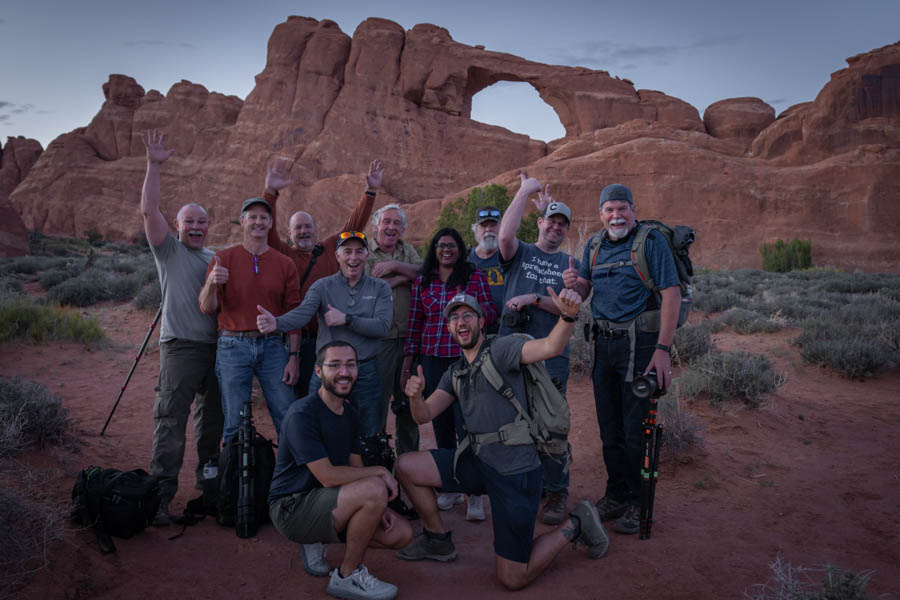
Beyond the photography, our photography workshops help build strong bonds that last forever. After our trip, you’ll feel like you have been with a group of friends rather than on a standard tour. We are thankful to have plenty of repeat clients who keep traveling and learning with us.
Whether you are experienced or just starting out in Milky Way photography, you are welcome, and I am convinced that you will progress quickly. Together, we will send you home with a thorough knowledge of many photography areas, from the basics to multiple advanced techniques.
Once you sign up for the workshop, we will discuss your skills and goals for this tour, and I’ll organize a teaching plan so you can make the most of this experience.
This tour doesn’t involve any long or strenuous hikes, as most shooting locations are just a short walk from the parking areas.
Keep in mind that around 90% of our photography sessions will take place at sunrise or after sunset. This means we’ll be following a mostly nocturnal schedule throughout the workshop, and on some days, we may have to sacrifice a bit of sleep. For this reason, we recommend being in good physical shape and maintaining high energy levels to make the most of the experience.
There is no age limit. This trip is perfect for anyone over 18 years old who wants to photograph Big Bend National Park with us.
Non-photographer companions are welcome to join the tour, and they need to book a spot under the same price and conditions as any other participant. (We don’t allow non-participant companions tagging along with the group). We have had plenty of non-photographer companions over the years and all of them enjoyed an amazing experience. As long as they enjoy nature, beautiful landscapes, and are a bit patient with the schedules of a photo tour, joining the trip can be a great experience regardless of the shooting.
You don’t need a star-tracker, but you can bring one to the workshop if you have a good foundation in Milky Way photography and you’d like to focus on some advanced shooting.
Astrophotography is always weather-dependent, so we can’t guarantee Milky Way shooting every single night. That said, we schedule the workshop during peak Milky Way season and plan flexible shooting windows; so whenever conditions are favorable, we’ll be out photographing.
If clouds, wind, or haze make a Milky Way session unproductive, we’ll adapt the plan and focus on the best alternative for the conditions; for example, scouting and composition planning, sunset/blue-hour landscapes, or guided editing sessions so you still leave with strong results and a complete workflow.
We have had the opportunity to work with and help countless photographers over the last few years. Sharing and teaching photography is our passion, and we love doing this both online and in the field.


Big Bend is one of the most special places to photograph the Milky Way. There’s something unforgettable about standing in a vast desert landscape, far from the noise of cities, under some of the darkest skies in North America; with only the wind, the river, and the quiet of the night around you.
Here, the stars don’t just fill the sky; they feel close. The Milky Way rises over rugged canyon walls, open desert horizons, and dramatic textures that make every composition feel unique, and every night out in the park becomes an experience you’ll remember long after the workshop ends.
Let’s capture the Milky Way!
You’ve probably seen Capture the Atlas in…
Follow our adventures and trips on instagram
© 2026 CAPTURE THE ATLAS | Photography · Travel · Adventure | ALL RIGHTS RESERVED