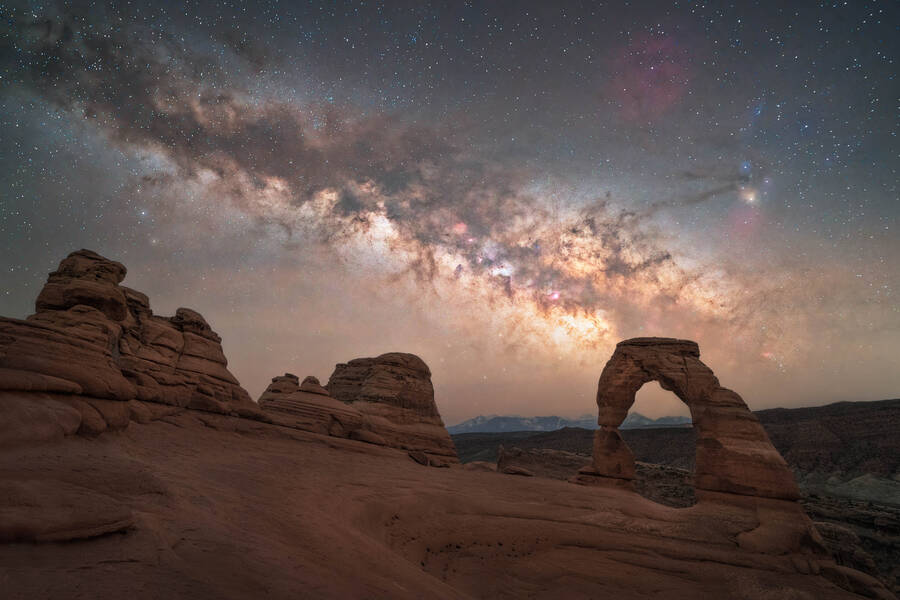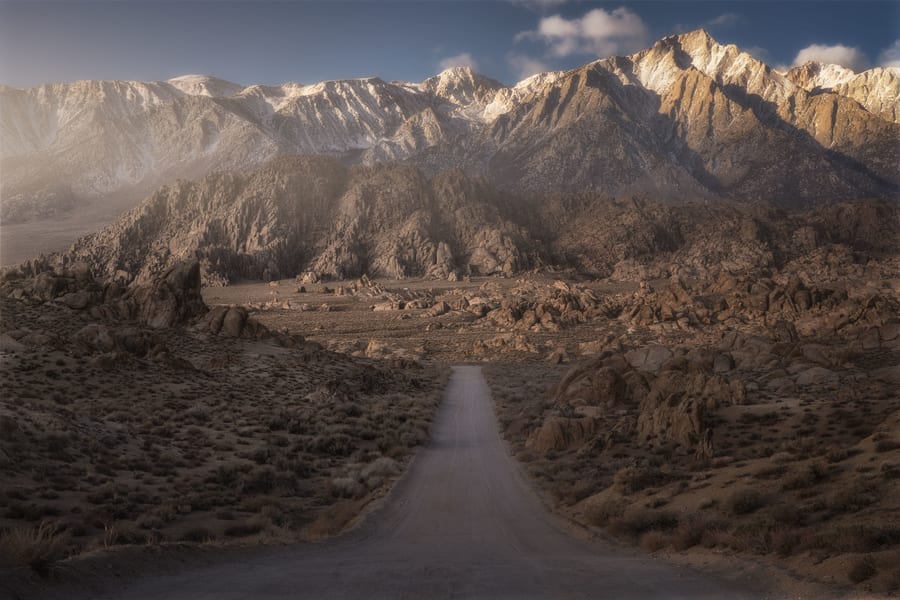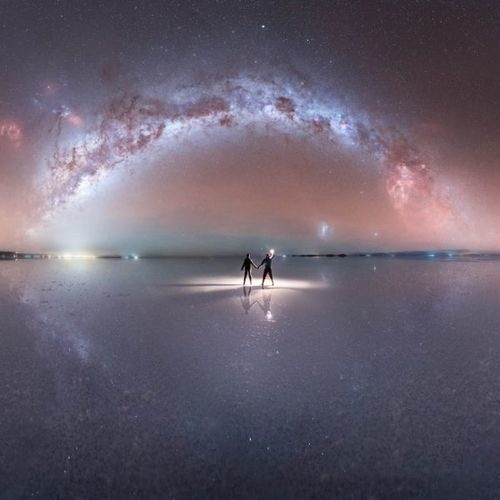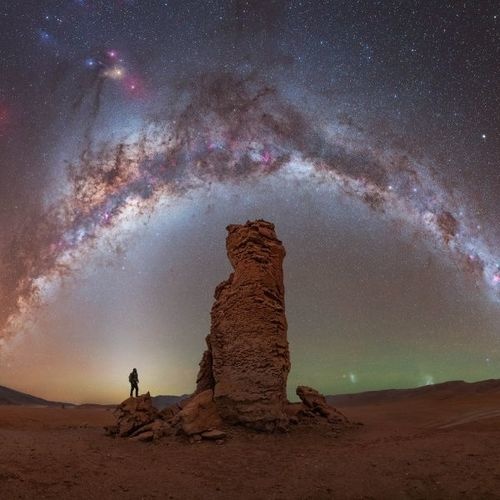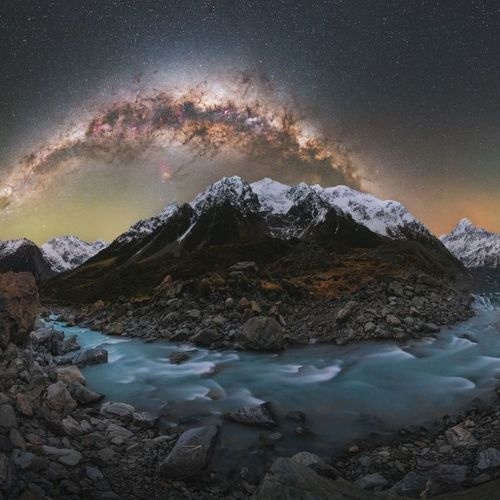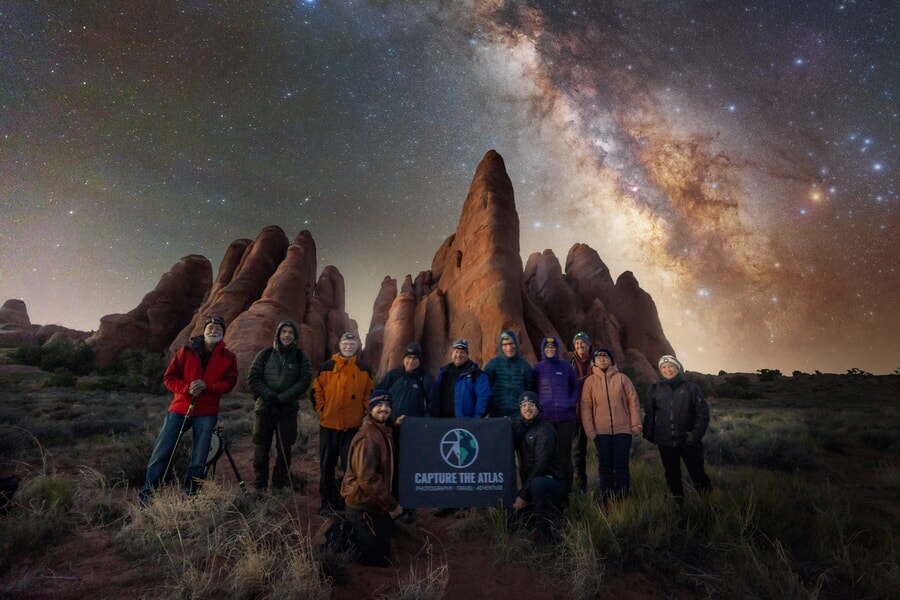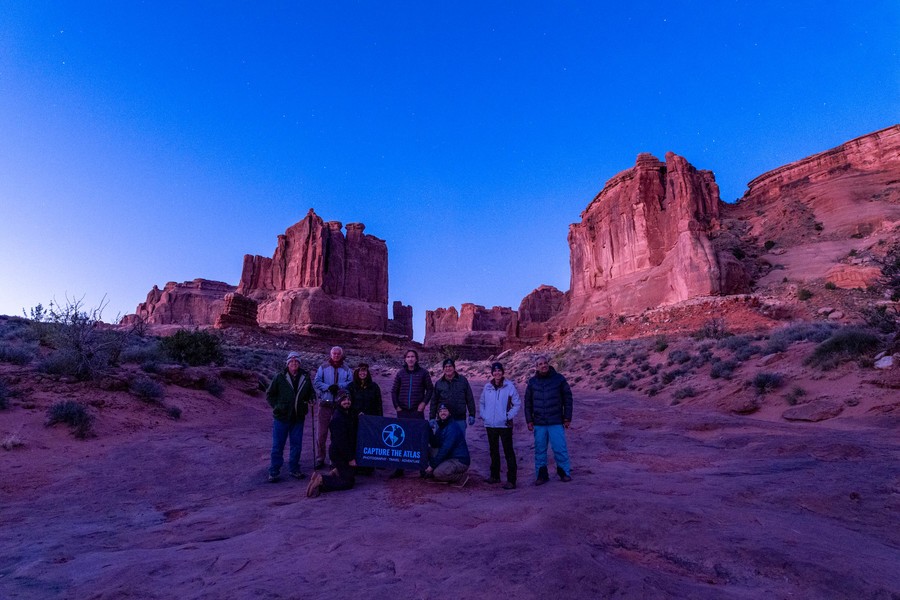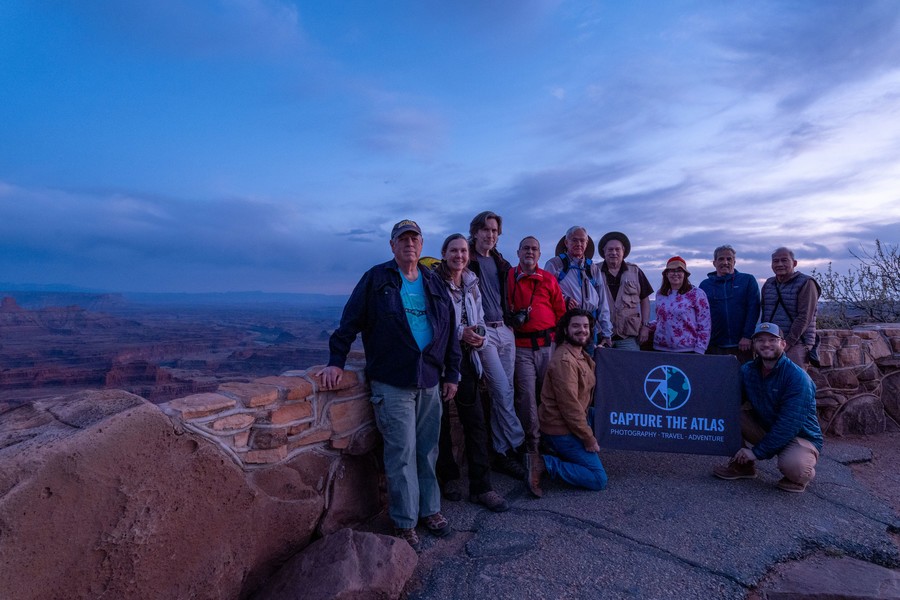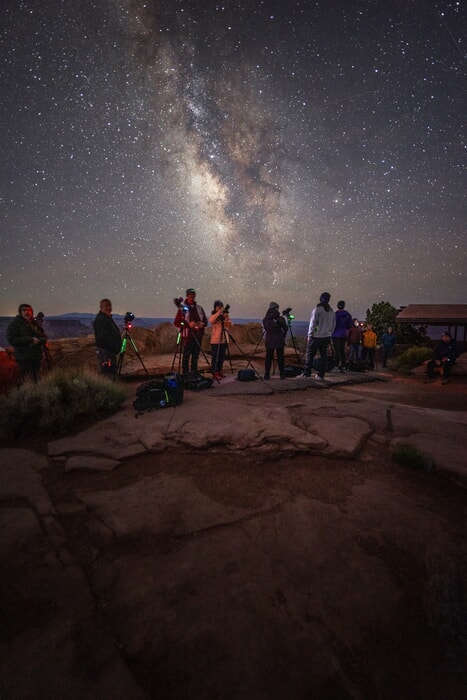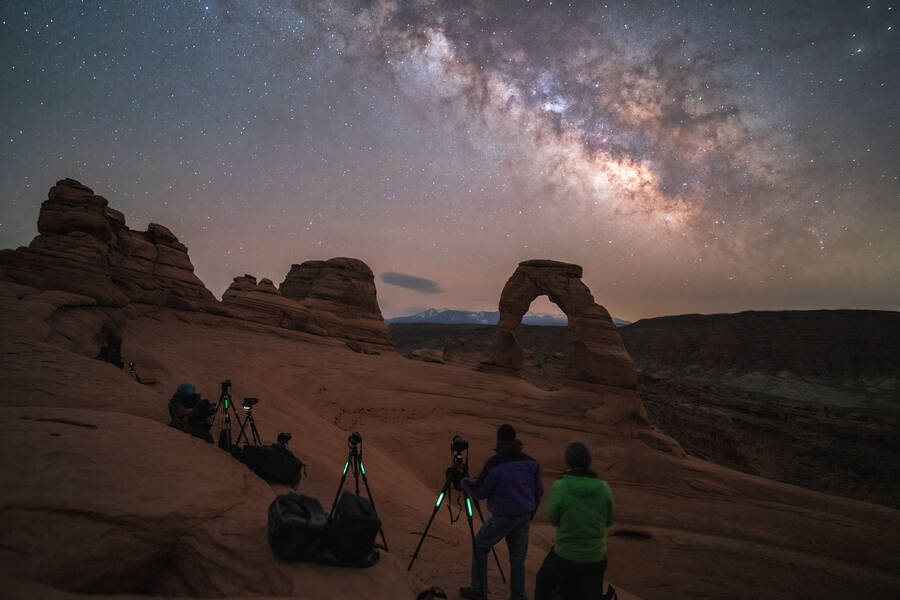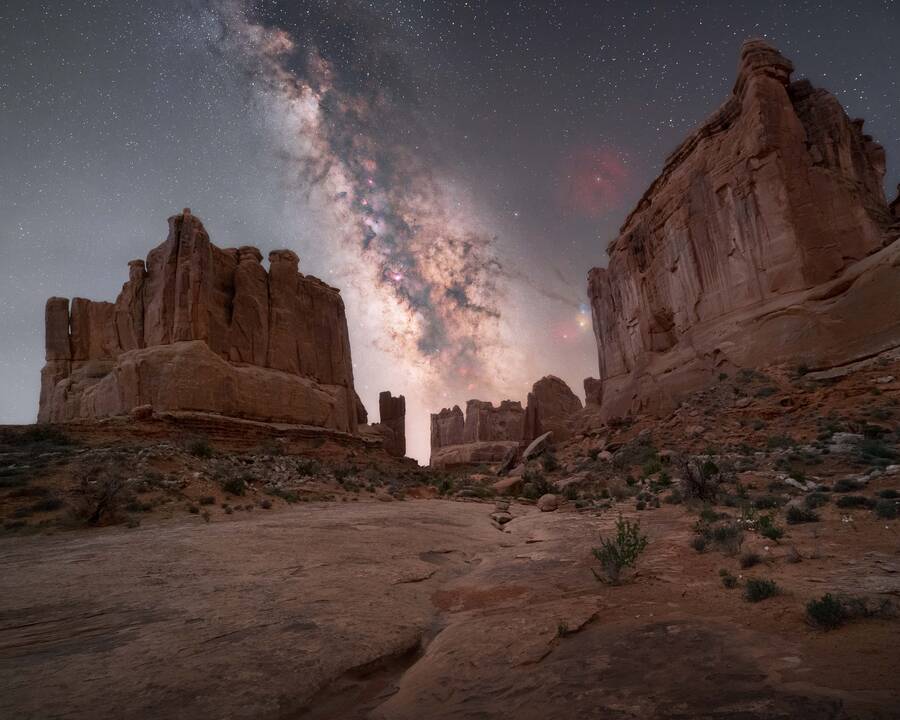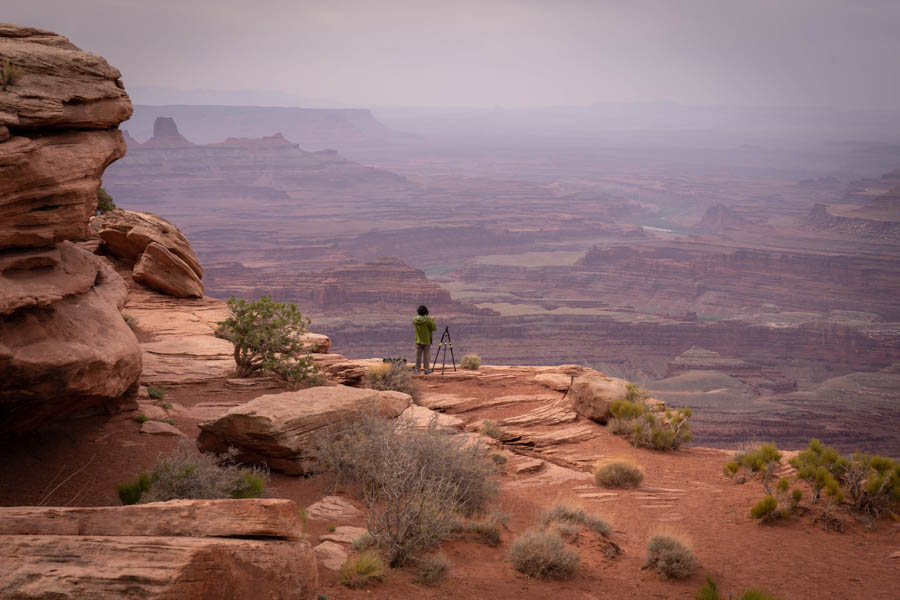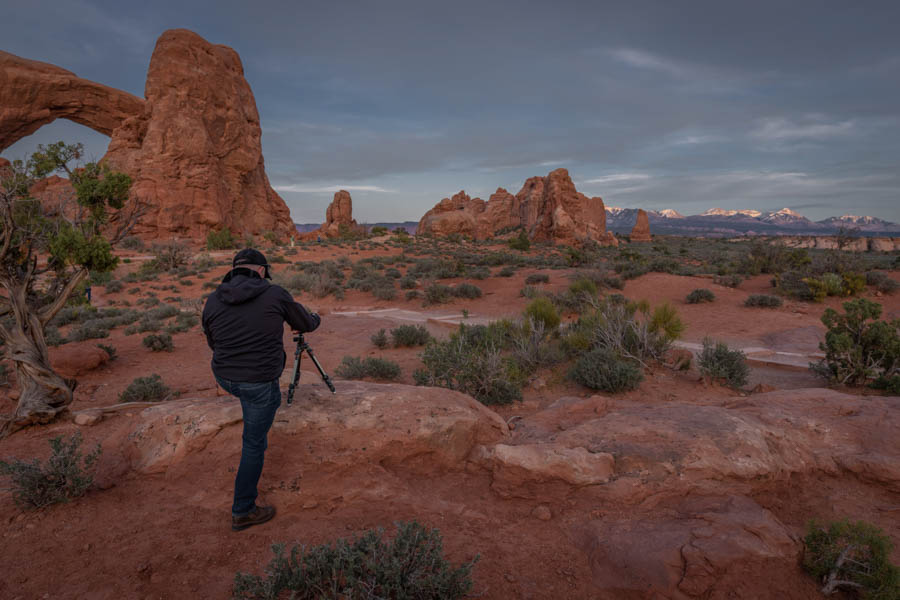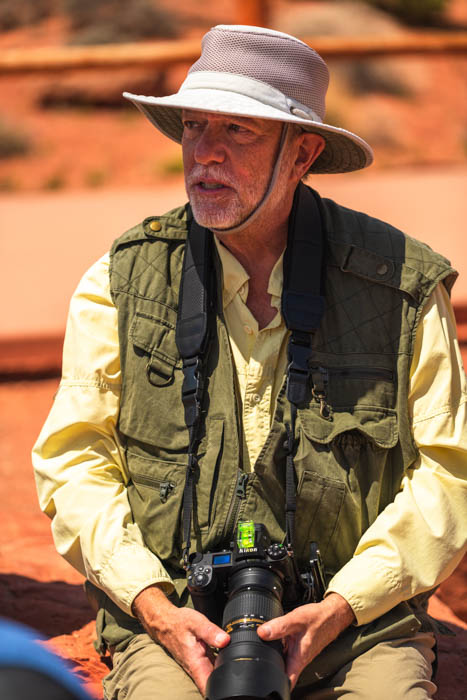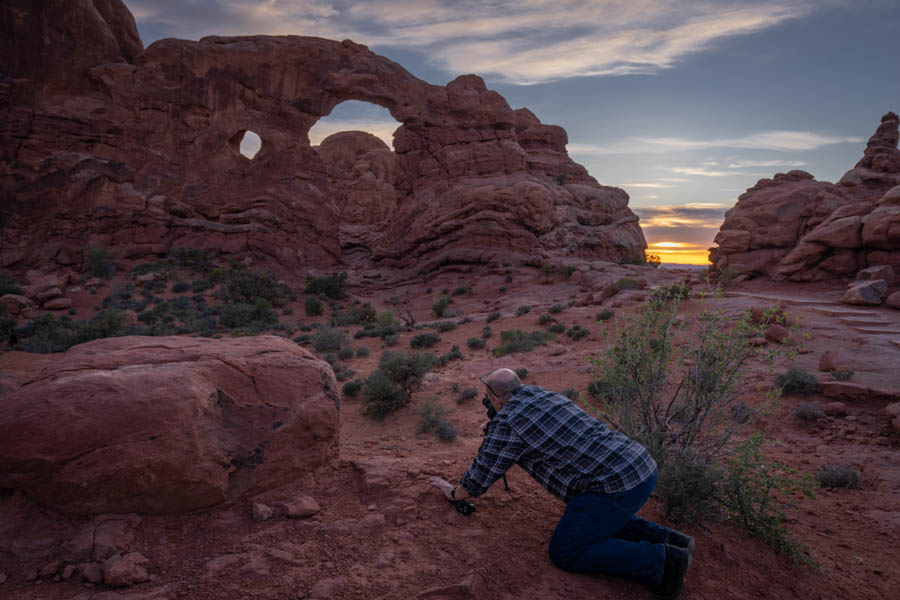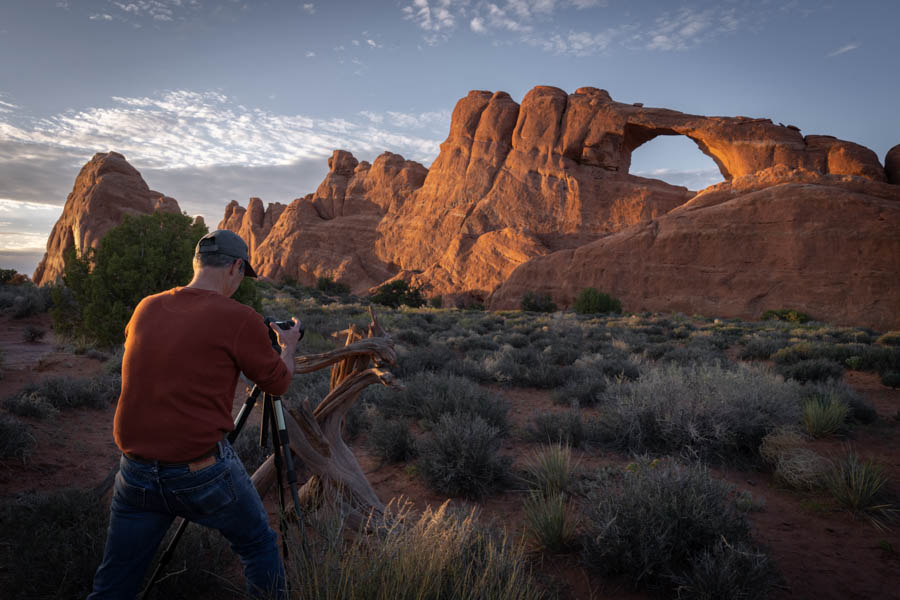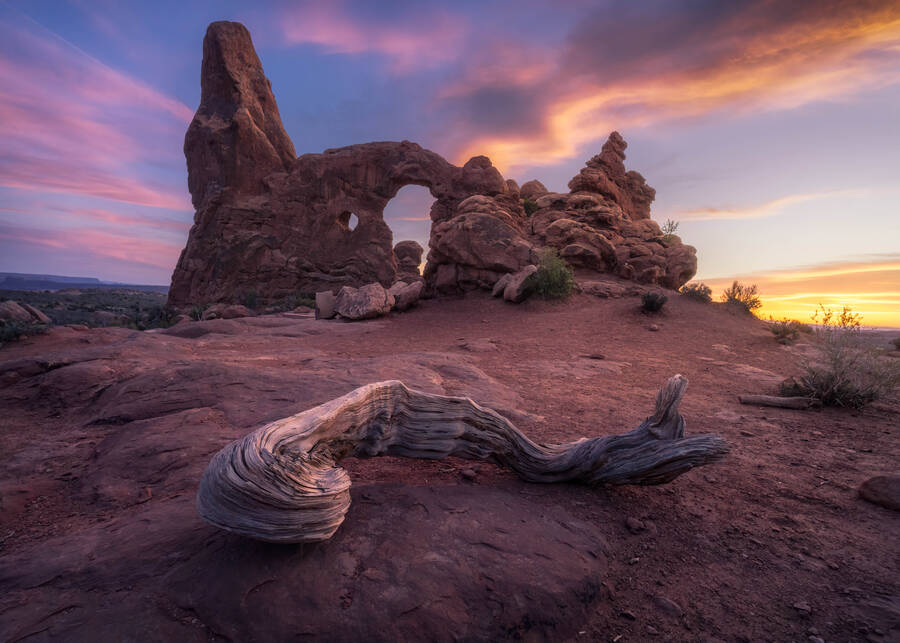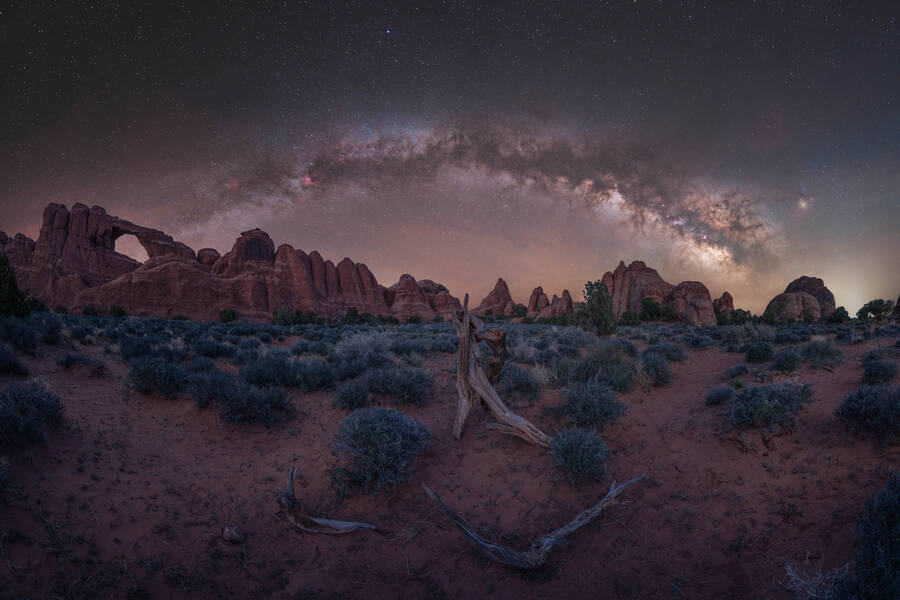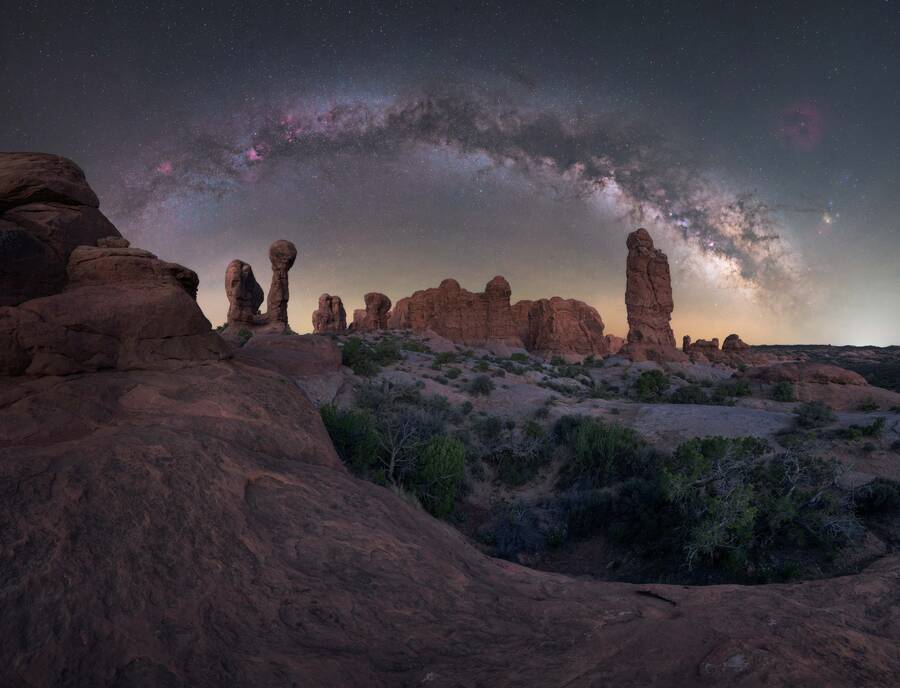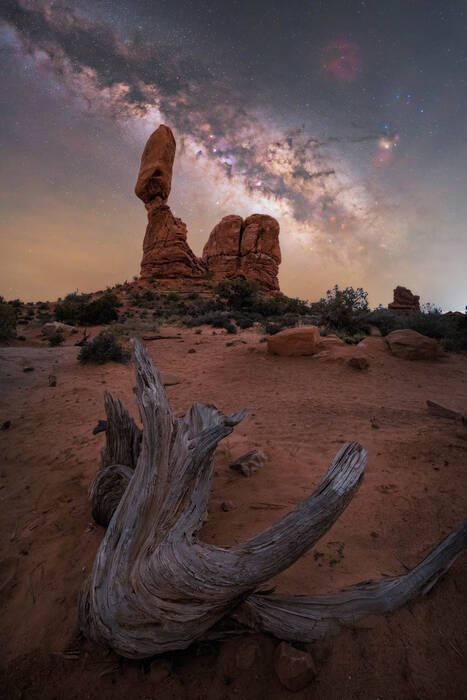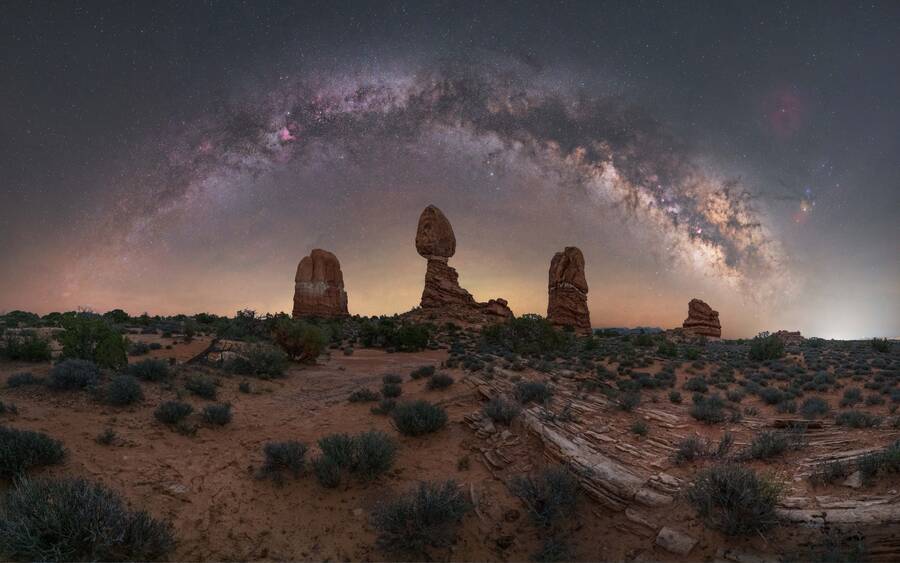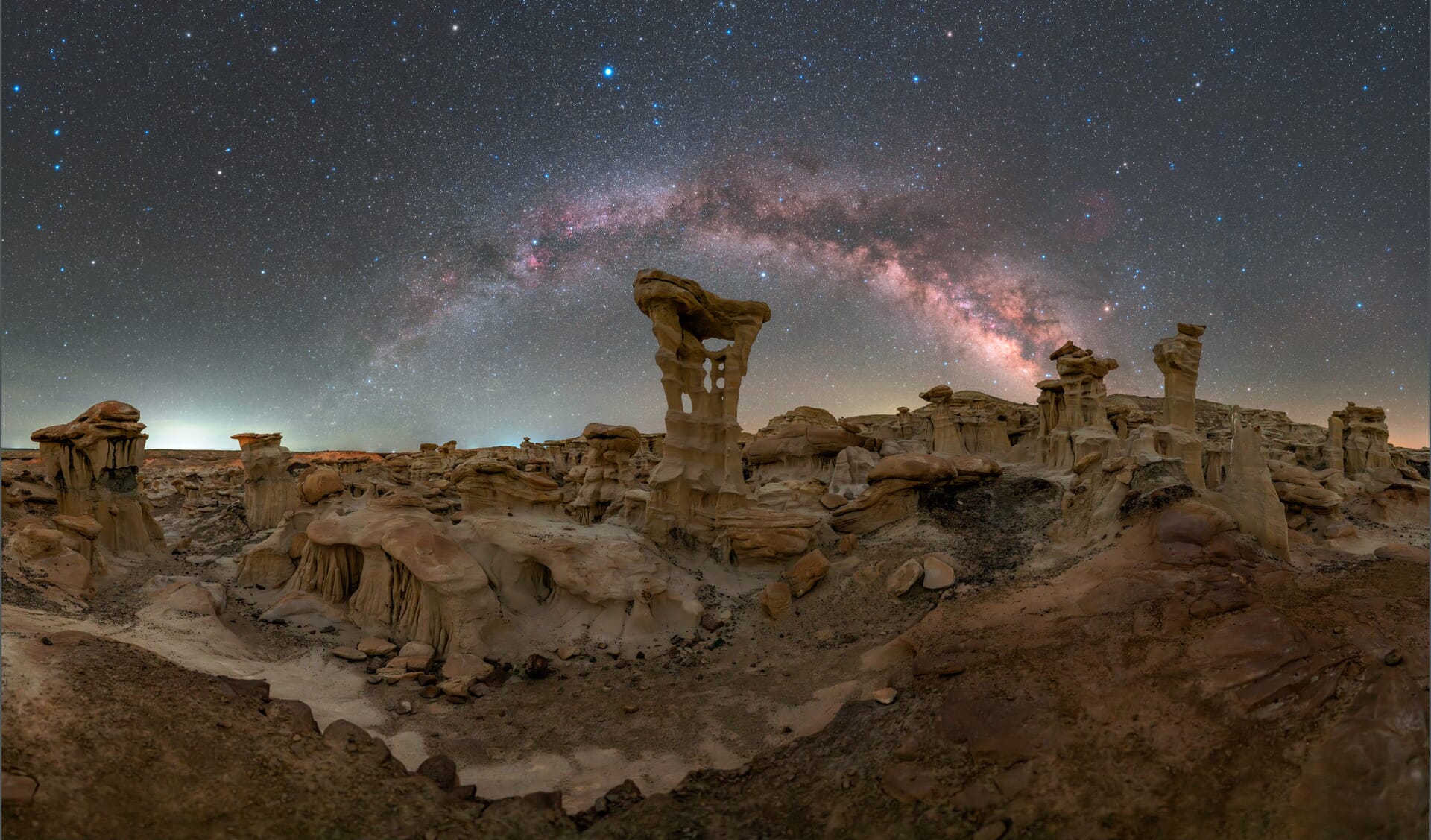
Join us for a New Mexico astrophotography workshop where we’ll capture the Milky Way over some of the most otherworldly landscapes in the American Southwest. From the sculpted hoodoos of Bisti and Ah-Shi-Sle-Pah to the imposing Shiprock, this region offers exceptionally dark skies and endless possibilities for creative compositions.
We’ll photograph iconic formations like the Alien Throne and the Alien Egg Hatchery, along with secluded locations and hidden gems we’ve scouted on previous trips. We’ve timed this workshop for the prime Milky Way season to capture stunning Milky Way panoramas and single frames, with plenty of photo opportunities.
During this New Mexico astrophotography workshop, we’ll photograph the Milky Way above some of the most extraordinary desert landscapes in the American Southwest. The badlands of Bisti and Ah-Shi-Sle-Pah offer a maze of sculpted hoodoos, delicate rock formations, and colorful layers that create remarkable foregrounds under very dark skies. We’ll photograph icons like the Alien Eggs and Alien Throne, alongside secluded locations and hidden spots that not many people visit.
A local Navajo guide will accompany us to Shiprock and the Valley of Dreams, bringing local knowledge and cultural perspective to our experience.
We’ll spend two nights at a fully outfitted base camp at Ah-Shi-Sle-Pah, keeping us close to our night photography locations. With spacious tents, prepared meals, and camp logistics taken care of, you’ll have more time to focus on photography and rest between sessions.
We’ll scout compositions before dark and provide personalized instruction during our Milky Way sessions, including star tracking techniques. Dedicated editing sessions during the workshop will help you bring out natural color, structure, and detail in your images. With 10 participants and two photography instructors, you’ll receive individual support in the field and feedback on your editing.
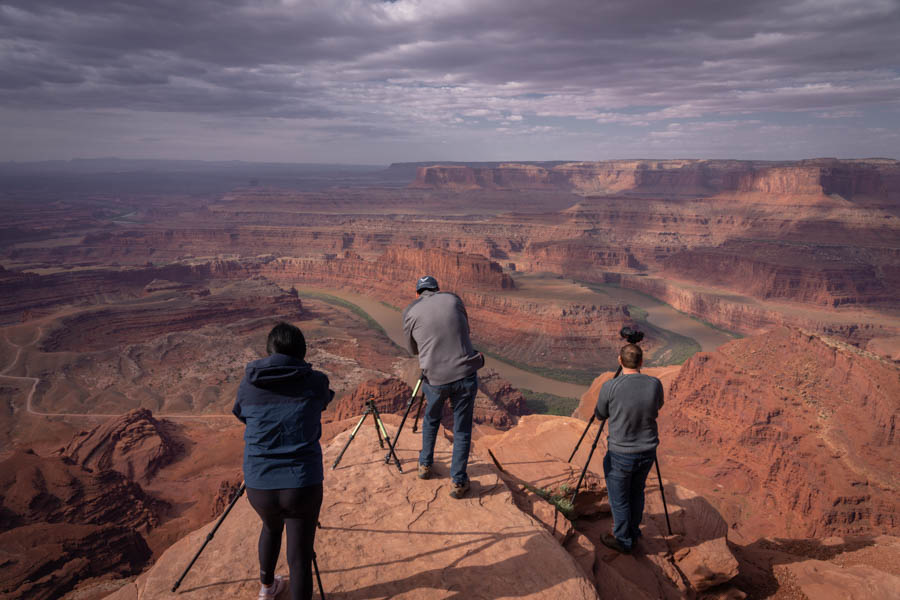
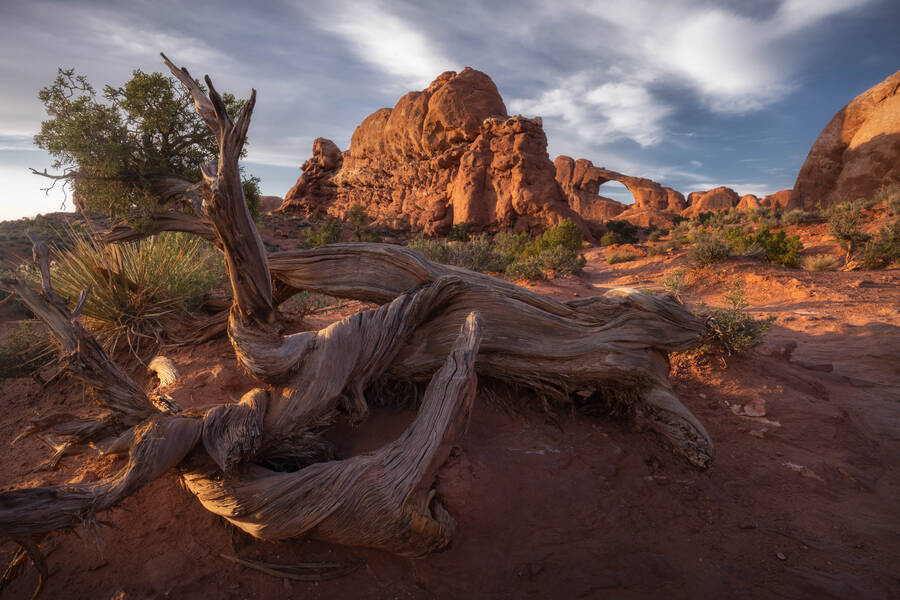
While the workshop is primarily focused on night photography, we’ll also photograph sunsets, sunrises, and daytime landscapes when conditions allow. These formations offer just as much creative potential under the right light, from sweeping desert scenes to intimate abstracts of texture, shape, and color.
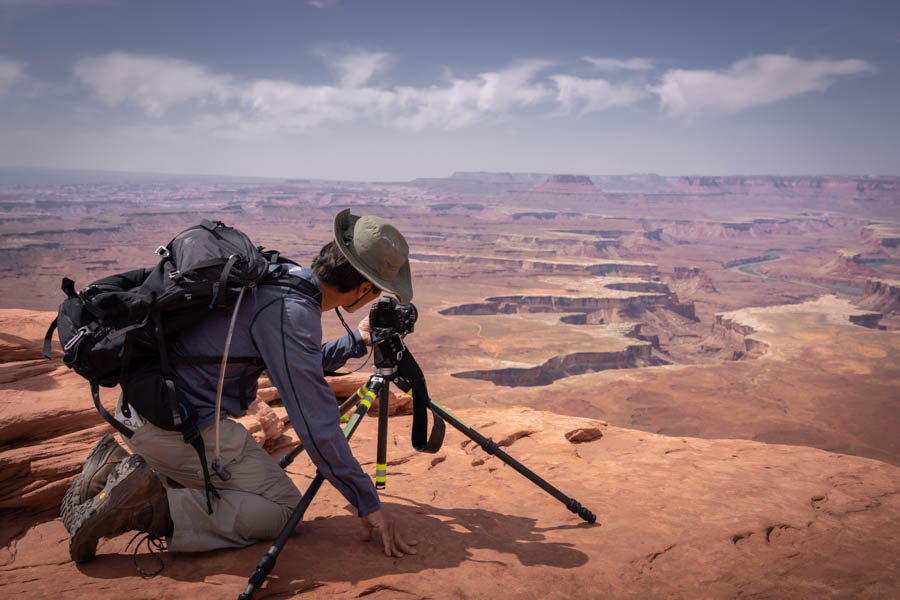
Our New Mexico astrophotography workshop itinerary is flexible, and we’ll adjust our photography sessions according to weather and sky conditions to make the most of each location.
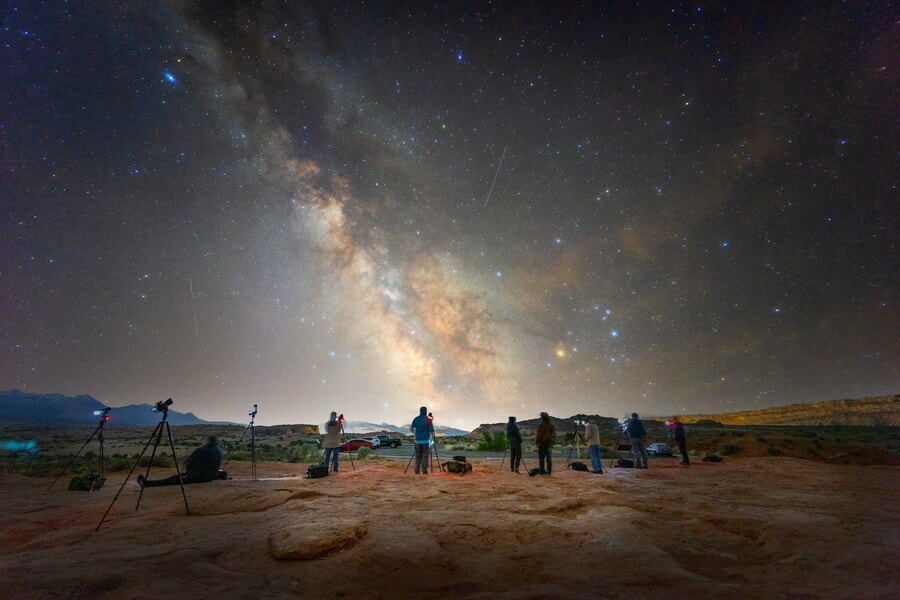
Our May dates offer plenty of opportunities to photograph the Milky Way, from large panoramas as the core rises to steeper compositions as it climbs higher before dawn.
Alongside our night sessions, we’ll photograph daytime landscapes and golden light when conditions allow, practice scouting and planning in the field, and include dedicated editing sessions. We’ll also set aside time to rest between our late nights of photography.
For locations that require longer hikes, we’ll photograph the foreground during blue hour and capture the night sky separately from camp under pristine dark skies. This allows us to create blended nightscape images while avoiding long hikes at night.
Note: Access to the badlands may be limited during or after rain, as the clay can turn into slick, slippery mud, making dirt roads impassable and hiking unsafe. We’ll adjust the itinerary and photography locations as needed based on weather, road conditions, and safe access.
Our New Mexico astrophotography workshop begins at our hotel in Farmington. After checking in, we’ll gather for introductions, a workshop orientation, a safety briefing, and an individual gear review.
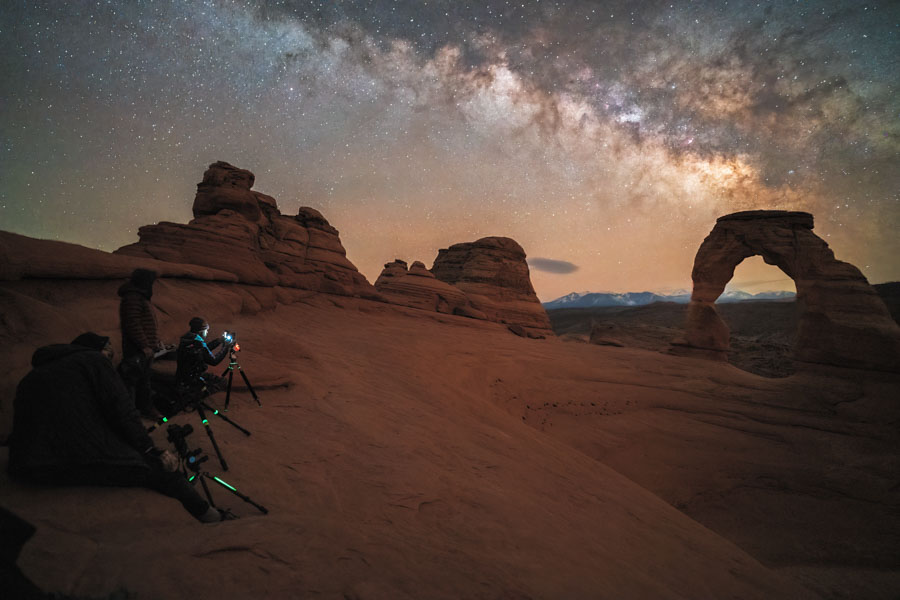
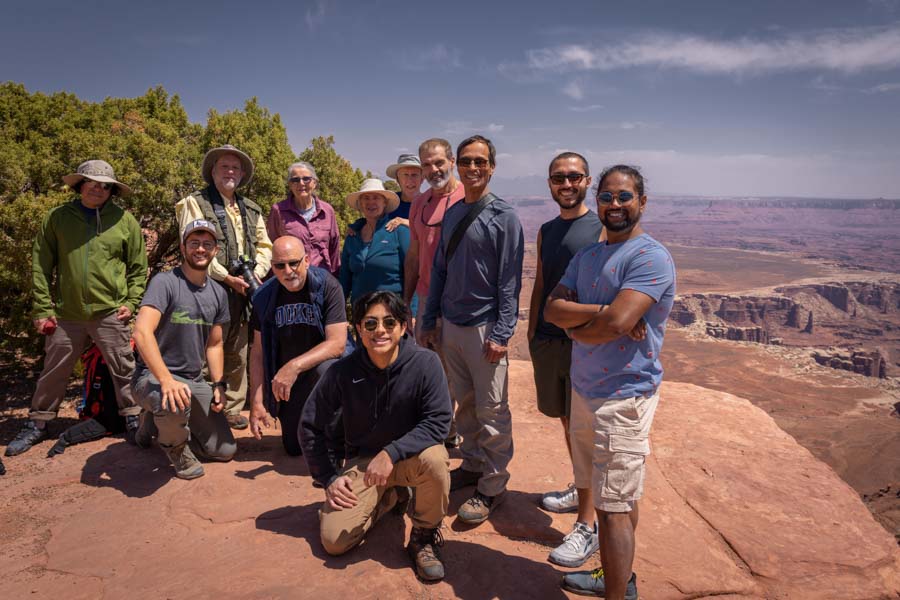
We’ll then head to the Bisti Badlands for our first photography session, exploring its sculpted formations and scouting compositions for sunset and blue hour. We’ll photograph the iconic Alien Egg Hatchery and other locations around the area that we’ve discovered in our scouting trips.
As darkness falls, we’ll photograph the Milky Way above this otherworldly landscape, with guidance from our instructors.
After our session, we’ll return to our hotel in Farmington to rest before heading to Ah-Shi-Sle-Pah the following day.
After checking out of our hotel, we’ll drive to Ah-Shi-Sle-Pah, where we’ll meet our outfitters and settle into our fully outfitted base camp. With a camp manager and cook taking care of camp logistics and meals, we can stay close to our photography locations and focus on making images.
In the afternoon, we’ll visit the Valley of Dreams with a local Navajo guide. We’ll hike to the iconic Alien Throne, exploring compositions around this remarkable formation and the surrounding hoodoos. We’ll photograph through sunset and blue hour before returning to camp for a delicious dinner prepared by our camp staff.
After dinner, we’ll prepare for our Milky Way session near camp. As the core rises, we’ll work on sweeping panoramas before moving to diagonal compositions as our galaxy climbs higher in the sky. Throughout the session, we’ll provide individual guidance on composition, camera settings, and techniques ranging from the basics to more advanced methods such as stacking, star tracking, and H-alpha imaging.
Note: In accordance with BLM regulations, we’ll split into smaller groups for scouting, sunset, and blue hour photography sessions. The full group will come together for our Milky Way sessions at night.
After a long night of photography, we’ll enjoy a relaxed morning at camp, with time for breakfast and rest. After lunch, we’ll hike to a secluded area of Ah-Shi-Sle-Pah to photograph some of the most stunning hoodoos and rock formations in New Mexico.
We’ll spend the afternoon exploring this maze of sculpted forms, finding unique angles and refining our compositions. We’ll stay through sunset and blue hour, capturing the changing light and soft tones across the badlands.
After returning to camp for dinner, we’ll head out for another Milky Way session near camp, building on the techniques practiced the previous night and experimenting with new compositions beneath the stars.
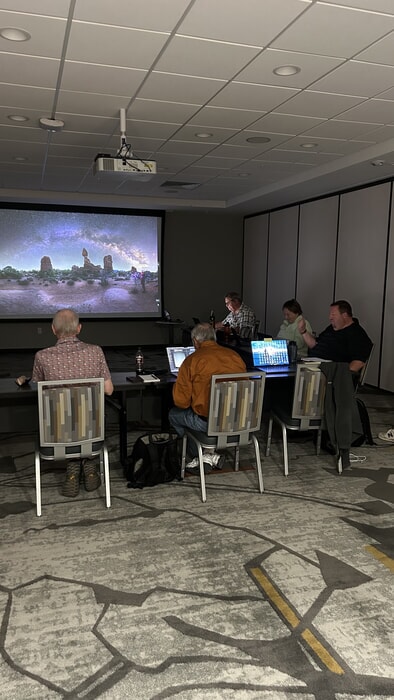
After breakfast at camp, we’ll return to Farmington and settle into our hotel. We’ll dedicate part of the day to guided editing sessions, working with images from the previous nights to bring together our images with all the techniques including blendings, panorama stitching, color correction, and more.
After time to rest and freshen up, we’ll enjoy dinner at a local restaurant before heading out for our final night of photography.
Tonight, we’ll photograph the Milky Way over Shiprock, accompanied by our local Navajo guide. Known to the Diné people as Tsé Bit’a’í, or “Rock with Wings,” Shiprock is a sacred landmark with deep cultural and spiritual significance that features prominently in Navajo traditional stories. Our guide will bring local perspective to our visit and help us approach this special place respectfully.
Shiprock’s dramatic silhouette beneath the stars will provide a memorable setting to put everything we’ve practiced into action. After our session, we’ll return to our hotel in Farmington for the night.
Our New Mexico astrophotography workshop comes to an end in Farmington. After checking out of the hotel, we’ll say our goodbyes and begin our journeys home with new images, skills, and memories.
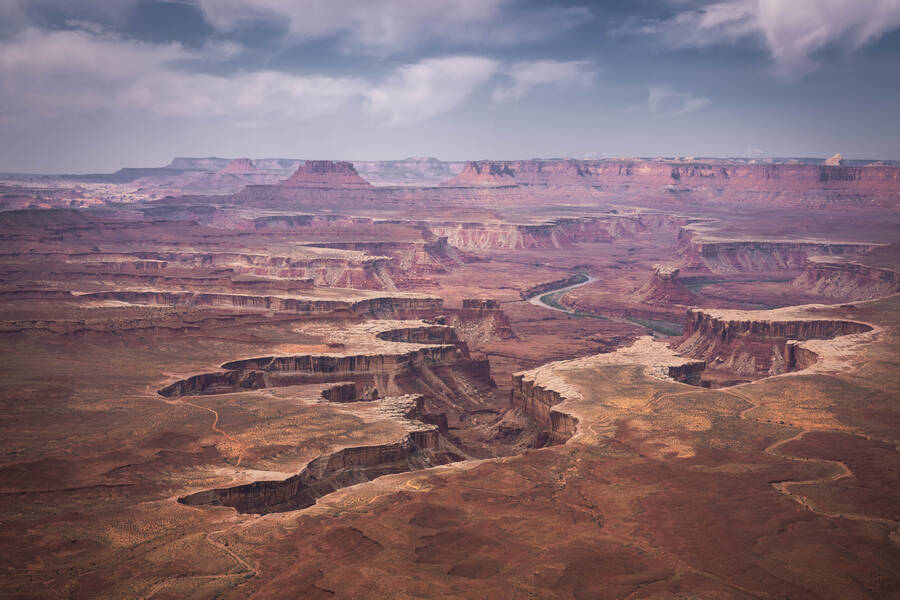
No photography activities are scheduled for this day.
Deposit: USD 1,500
A $1,500 deposit is required to reserve your spot. You can also pay in full at any time. The remaining balance is due 120 days before the start date of the workshop. If the remaining balance is not paid in full by the due date, you will lose your spot.
Capture the Atlas holds a permit from the Bureau of Land Management’s Farmington Field Office to operate photography workshops in the area. A local Navajo guide will accompany us during our visits to Shiprock and the Valley of Dreams on Navajo land.
This workshop is mainly focused on night and Milky Way photography. However, we will also photograph landscapes during blue and golden hour when conditions allow; so you’ll have plenty of opportunities to learn about landscape astrophotography.
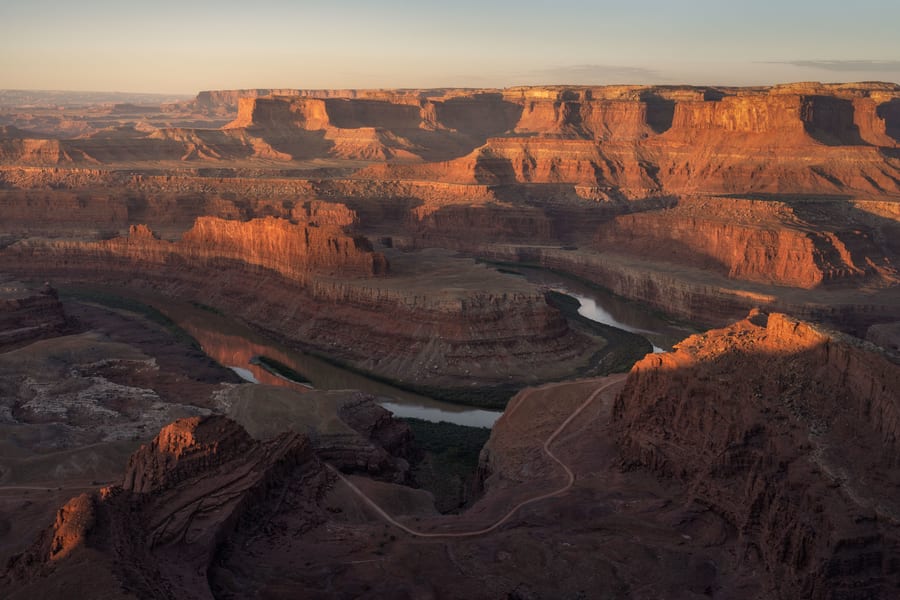
Some of the photography basics you can learn during the workshop are:
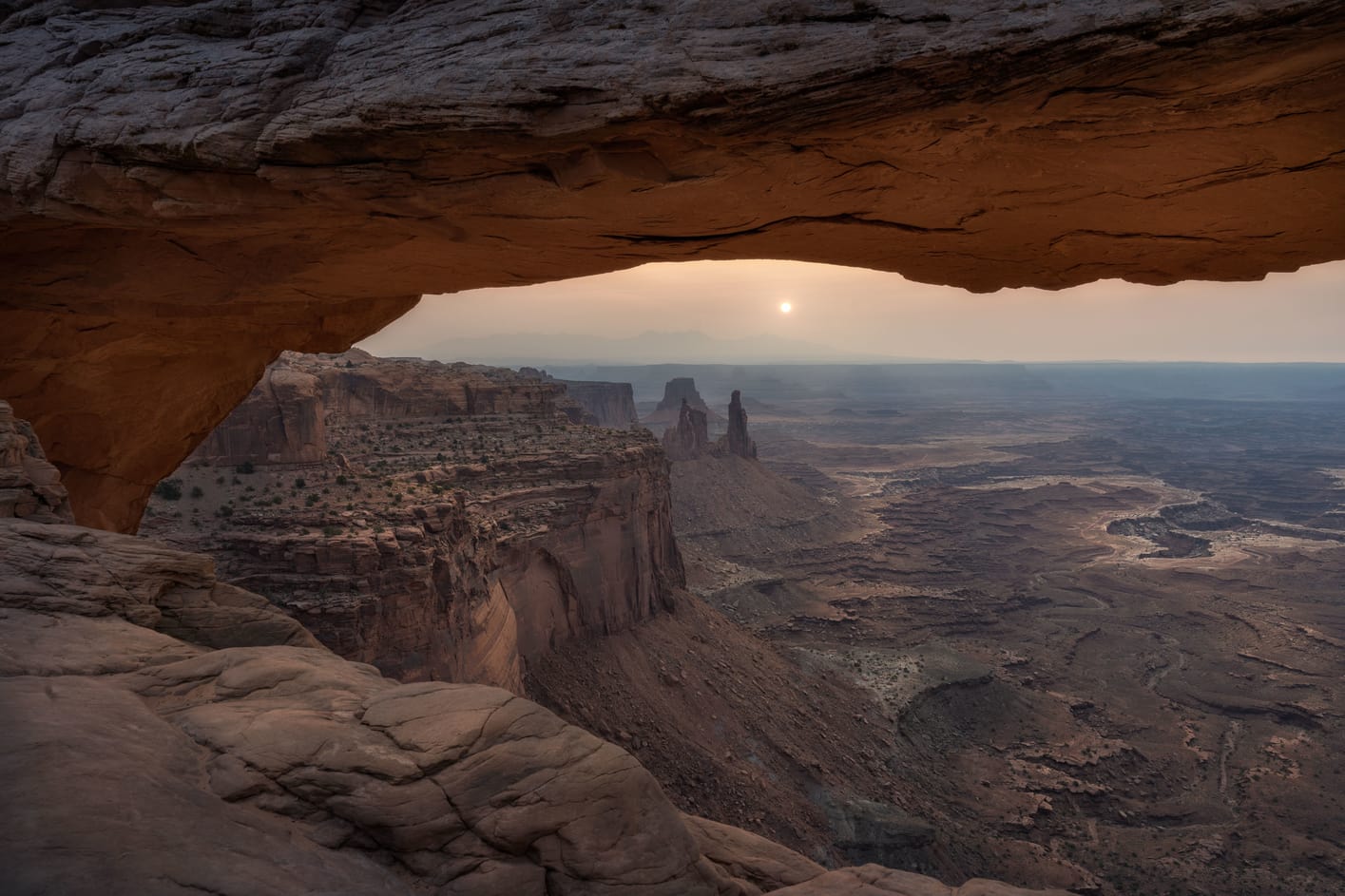
Some of the advanced photography techniques you can learn during the workshop are:
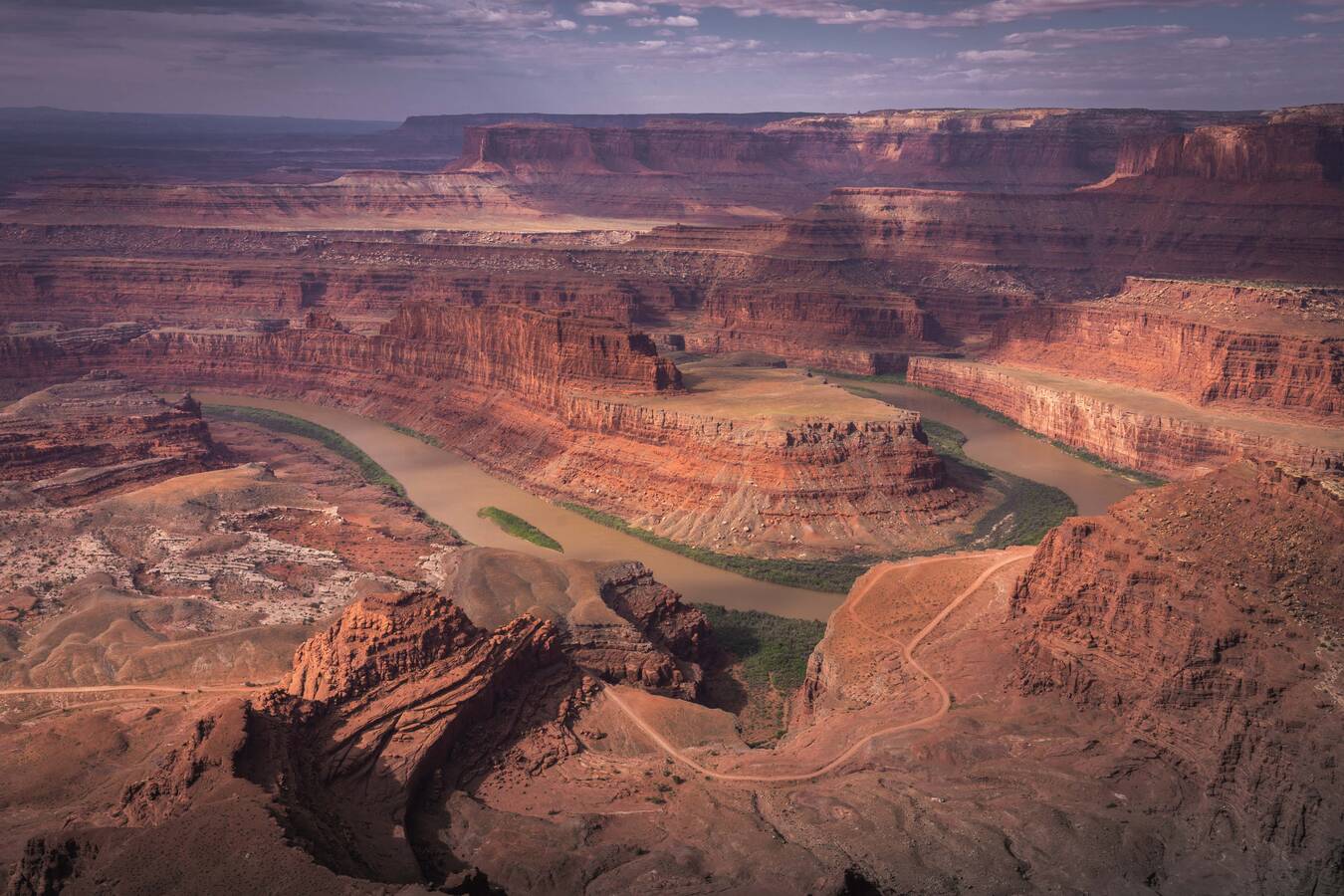
Some of the post-processing techniques that you can learn with are:
Note: As soon as you sign up, you’ll have access to the Capture the Milky Way course; this will give you a strong base before the workshop.
Matthew Wilks will be the tour leader of this New Mexico astrophotography workshop.
Based in Albuquerque, New Mexico, Matthew has explored and photographed the New Mexico badlands countless times over the years. His familiarity with these landscapes, from iconic formations to secluded corners, will help you discover unique compositions and make the most of the changing light.
He is an experienced astrophotographer whose work spans Milky Way photography, eclipses, and deep-sky imaging, with years spent photographing some of the most remarkable landscapes in the American Southwest.
Throughout the workshop, Matthew will guide you in the field and through the editing process, helping you plan, capture, and refine your nightscape images. From finding foregrounds among the hoodoos to practicing advanced techniques beneath dark skies, he’ll provide guidance tailored to your experience and goals.
His extensive experience in desert environments and clear, practical, and approachable teaching style will help you build confidence with both your camera and your editing workflow.
MaryBeth Kiczenski will be the co-leader of this New Mexico astrophotography workshop. She is an experienced landscape and nightscape photographer and educator known for her strong technical expertise.
MaryBeth has photographed the New Mexico badlands for years and previously led astrophotography workshops here, bringing valuable experience with both the locations and the challenges of photographing these desert landscapes at night.
Calm, approachable, and highly supportive, she works with photographers of all skill levels, helping each participant strengthen their technical skills and creative vision. Throughout the workshop, she’ll share her expertise in composition, exposure, focusing, night photography, and editing, helping you create compelling images of the region’s sculpted hoodoos and dark skies.
Her work has received international recognition, including multiple NASA Astronomy Picture of the Day features and publications in Sky & Telescope, Traverse Magazine, and National Geographic Your Shot. With MaryBeth’s guidance, you’ll build confidence in the field and learn how to bring your vision to life through the editing process.
A complete list of recommended gear will be sent to all participants upon signing up. Below is a summary to help you prepare.
Optional gear for advanced Milky Way photography:
While zoom lenses are suitable for this workshop, fast prime lenses are recommended for Milky Way photography. Useful options include:
This workshop focuses on Milky Way nightscapes rather than deep sky imaging. You’re welcome to bring a compact smart telescope or a telephoto setup for independent deep-sky photography, provided it fits around the group’s itinerary.
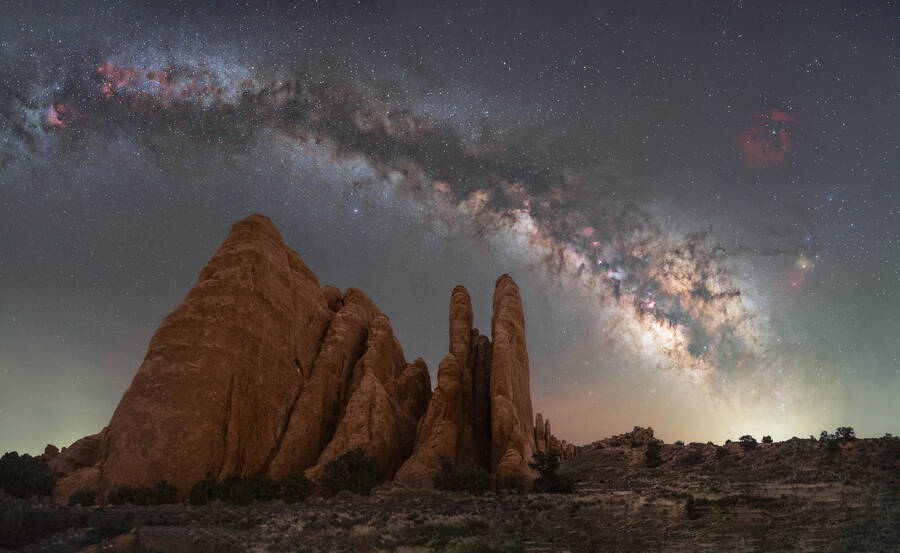
Early May in the New Mexico badlands brings a substantial temperature difference between day and night. Sunny afternoons can feel warm while hiking, but nights can be cold, with temperatures occasionally approaching or dropping below freezing. Wind can make extended photography sessions feel even colder, so warm layers are essential, particularly for our two nights camping at Ah-Shi-Sle-Pah.
We recommend bringing:
Pack for both warm daytime hikes and cold nights spent standing still behind your camera.
If you are traveling from outside the US, you may need a specific travel visa or an electronic travel authorization (“ESTA”) depending on your country of origin. We can help you with this process.
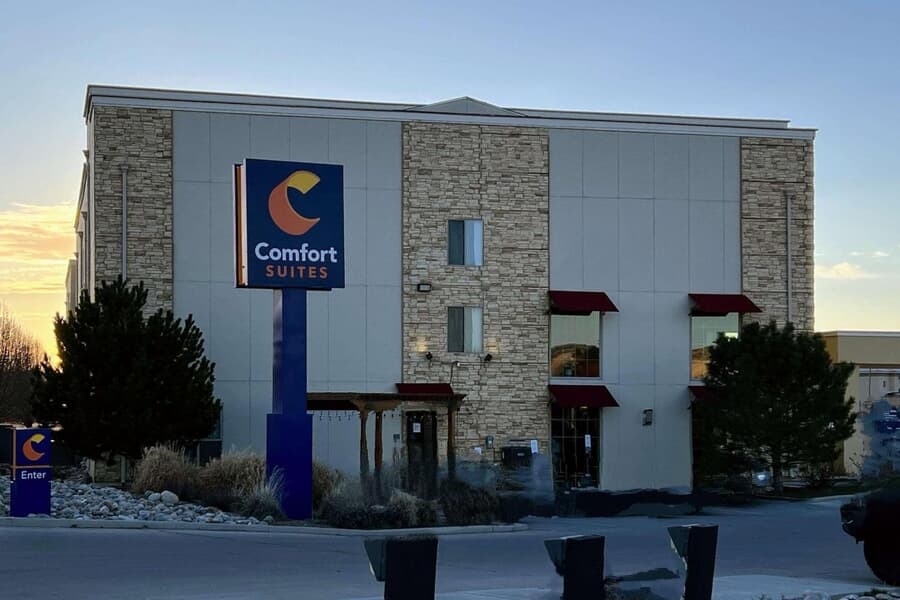
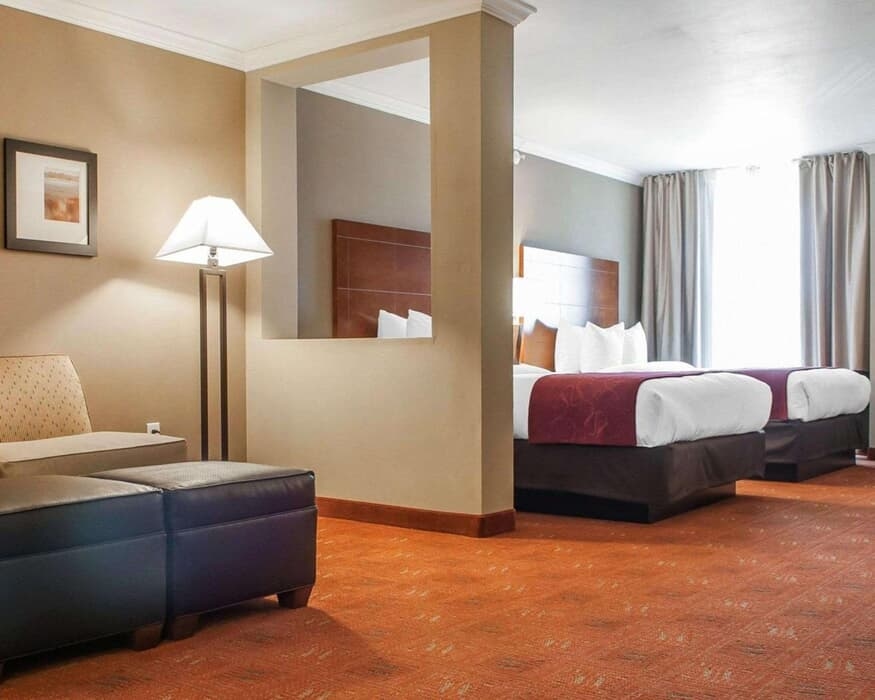
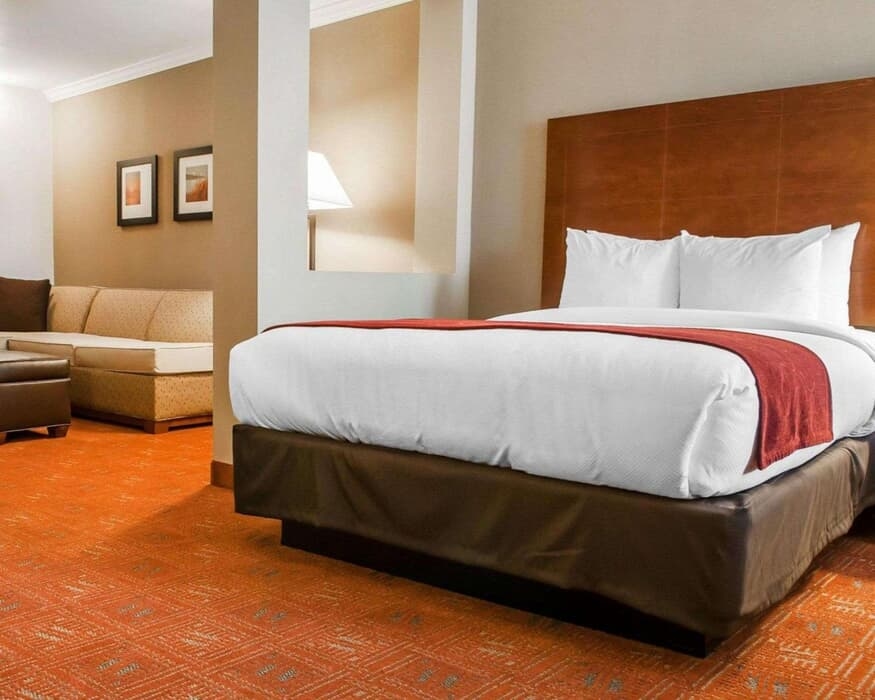
Our workshop combines two hotel nights in Farmington in private rooms with two nights of fully outfitted camping at Ah-Shi-Sle-Pah, bringing together the comfort of a hotel and the experience of sleeping beneath New Mexico’s dark skies.
We’ll spend the first and final nights at a hotel in Farmington, giving you time to settle in before our desert adventure and freshen up after camping. The hotel will also serve as our base for the editing sessions.
For the two nights in between, we’ll stay at the same base camp at Ah-Shi-Sle-Pah, close to our Milky Way photography locations. Staying here allows us to avoid long drives after shooting and make the most of our time in the badlands.
Our outfitters will handle camp setup and breakdown, providing spacious tents with room to stand, sleeping arrangements with a cot and camp mattress, and a portable toilet. A dedicated camp manager and cook will manage camp logistics and prepare our included meals, so you can focus on photography and rest between sessions.
This is a remote camping experience with basic facilities. Hotel amenities such as showers and conventional bathrooms will not be available at camp, and we’ll follow a dark camp protocol during our night photography sessions.
Note: In the unlikely event that conditions prevent the camping portion from taking place, we may need to arrange alternative hotel accommodation. These additional hotel costs are not included in the workshop price and must be covered by participants.


This workshop has a moderate physical difficulty level. You should be comfortable hiking several miles across desert terrain while carrying your camera equipment, tripod, water, and extra layers.
Most routes have little elevation gain, but we can encounter loose rocks, uneven clay surfaces, and short slopes, often without established trails.
Below is an approximate guide to our main hikes:
Hike | Elevation Gain | Distance, Round Trip | Estimated Walking Time, Round Trip | Path |
|---|---|---|---|---|
Bisti Badlands to the Egg Hatchery | Low, with gently rolling terrain | Terrain Approximately 4 miles / 6.4 km | 2 to 3 hours | Mostly open washes with sandy, rocky, and uneven sections. Additional exploration may increase the distance. |
Valley of Dreams to Alien Throne | Low, with short ravine crossings and slopes | Approximately 3 miles / 4.8 km | 1.5 to 2.5 hours | Unmarked desert terrain with soft sand, scattered rocks, and uneven sections among the formations. |
Ah-Shi-Sle-Pah photography area | Short descents and climbs through the badlands | Estimated 2 to 3 miles / 3.2 to 4.8 km | 1.5 to 2.5 hours | Uneven clay hills, washes, and slopes, with the route varying according to our photography stops. |
Shiprock | Minimal at our planned viewpoints | Short walks near the vehicles | Varies by viewpoint | Limited walking on uneven desert ground. |
We recommend being in good physical shape to enjoy this experience |
||||
Distances and walking times are approximate and exclude photography stops. Total distances will vary depending on the formations we explore and the conditions.
We’ll allow time for photography and breaks, but you should be comfortable completing these hikes on consecutive days alongside late-night sessions. Some return walks will take place after the blue hour, so confidence walking with a headlamp is important.
For selected locations requiring longer hikes, we’ll photograph foregrounds during sunset and blue hour, then capture the night sky separately near camp. If you want to skip a hike, you can always photograph the Milky Way from camp.
We recommend being in good physical shape to fully enjoy this experience. If you’re unsure whether the hikes suit your abilities, please contact us before booking.
Our workshop begins and ends in Farmington, New Mexico. You can fly into Farmington or a nearby airport and rent a vehicle. Transportation is not included, but we’ll help coordinate carpooling during the workshop.
The most convenient airport options are listed below. Driving times are approximate and depend on traffic and your hotel’s location:
Please allow enough time to collect your rental vehicle and reach Farmington before our first day’s orientation. If your connections are tight, consider arriving the day before.
Airline ticket prices will depend on your departure airport. We recommend reading our guide to finding cheap flights to compare the best options from your location.
Transportation is not included. We’ll travel both on paved roads and unpaved dirt roads to reach our photography locations in the badlands. For this reason, we recommend renting at least an SUV with Four Wheel Drive and sufficient ground clearance to navigate uneven sections.
We’ll coordinate carpooling whenever possible to reduce the number of vehicles at our photography locations, minimize our impact, and keep the group together during transfers.
Dirt road conditions can change with the weather, particularly after rain. We’ll adjust our routes and photography plans as needed based on road conditions and safe access.
Meals during the camping portion are included: two breakfasts, one lunch, and two dinners, along with drinking water throughout our stay at camp.
Our dedicated camp cook will prepare meals at our Ah-Shi-Sle-Pah base camp, with serving times coordinated around our photography sessions. Expect relaxed breakfasts after late nights and dinners when we return from sunset and blue hour photography.
Meals outside the camping portion are not included. While in Farmington, you’ll have opportunities to eat at local restaurants, including a group dinner before our Shiprock photography session.
We recommend purchasing snacks and any preferred drinks in Farmington before heading to camp. Bring something easy to carry on hikes and enjoy during long night sessions, as there are no shops at camp.
We’ll ask you about food allergies and dietary requirements in advance so we can coordinate with our outfitting team.
There are no entrance fees for Bisti Badlands or Ah-Shi-Sle-Pah Wilderness, and you do not need an America the Beautiful pass for these locations.
Our local Navajo guide for Shiprock and the Valley of Dreams is included in the workshop price.
Our astrophotography workshops are completely centered on photography: finding the best moments to shoot, running dedicated post-processing sessions, and creating an intensive experience that is conducive to learning and taking the best Milky Way images.
Our workshops are limited to small groups with a ratio of no more than five students per instructor. This is also an important factor for providing the attentive instruction you need during the tour.
You’ll learn to capture stunning Milky Way images and bring them to life with expert editing. Our exclusive, fully outfitted camp at Ah-Shi-Sle-Pah with tents, a camp manager, and a cook, keeps our small group of astrophotographers close to extraordinary landscapes and dark skies, with every detail taken care of.
We will discuss your goals before the tour so we can create a dedicated instruction plan for you. It doesn’t matter your age or skills; we will design your plan and provide you with materials before, during, and after the workshop so the learning process is not limited to just the tour.
We have spent years designing national and international photo tours with successful results, helping photographers with their Milky Way & Northern Lights photography. Dan’s online courses have also helped more than 400 photographers over the last few years.
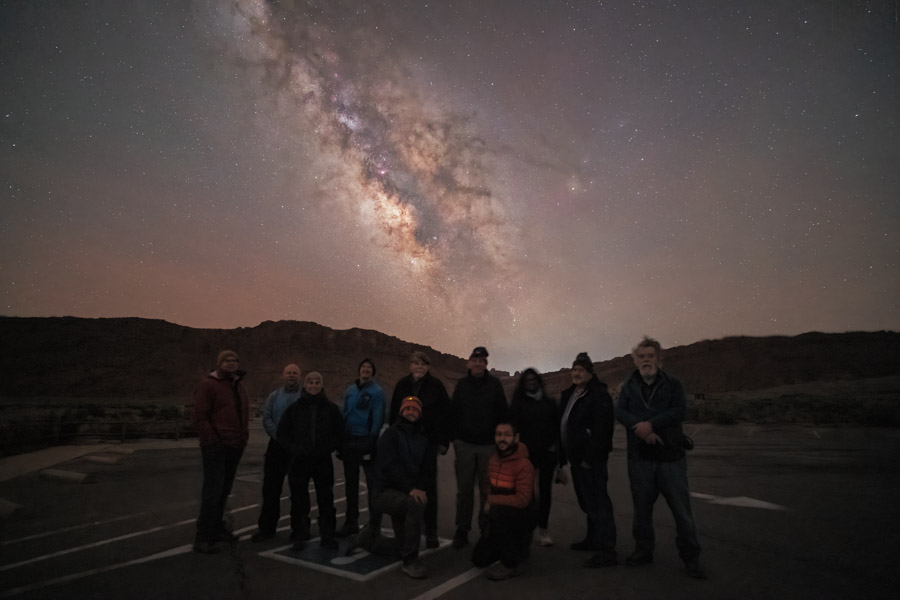
Beyond the photography, our photography workshops help build strong bonds that last forever. After our trip, you’ll feel like you have been with a group of friends rather than on a standard tour. We are thankful to have plenty of repeat clients who keep traveling and learning with us.
All experience levels are welcome, whether you’re just starting out in Milky Way photography or looking to refine advanced techniques. Our instructors will tailor their guidance to your experience, covering everything from camera settings and focusing to stacking, star tracking, and more.
Before the workshop, we’ll discuss your equipment, experience, and goals so you can arrive prepared and make the most of the instruction.
This workshop has a moderate physical difficulty level. You should be comfortable hiking approximately 3 to 4 miles round trip on our longer outings, carrying your camera equipment, tripod, water, and extra layers.
Although elevation gain is limited, the terrain includes sand, loose rocks, uneven clay surfaces, and short slopes. These conditions, combined with late nights and two nights camping, make good fitness important. Please review the Fitness Level section for the estimated hikes and contact us if you’re unsure whether the workshop suits your abilities.
The workshop is open to participants aged 18 and over, with no upper age limit. Your comfort with the hikes, camping arrangements, and night photography schedule matters more than your age.
Companions are welcome, but they must book a spot at the same price and under the same booking conditions as other participants. Companions who have not booked cannot accompany the group.
The workshop can be a wonderful experience for anyone who enjoys nature and unusual landscapes, provided they’re comfortable with the hikes, camping, and patient pace of photography sessions.
Neither is required. You can create beautiful Milky Way images with a camera, a suitable lens, and a sturdy tripod.
If you already have a foundation in Milky Way photography, you’re welcome to bring a star tracker or an H-alpha filter to explore more advanced techniques with our instructors. We’ll discuss your setup before the workshop.
We’ll explore largely unmarked desert terrain, including sandy washes, rocky ground, clay hills, and short slopes between formations.
You’ll need sturdy hiking footwear and a comfortable backpack. We’ll guide you through the locations, with time to stop, photograph, and take breaks.
Yes, some return hikes will take place after sunset and during blue hour, so you should be comfortable walking on uneven terrain using a headlamp.
For selected locations requiring longer hikes, we’ll capture our foregrounds before returning to camp and photograph the night sky separately nearby. This reduces the need for extended hikes after our late Milky Way sessions. A headlamp is required.
Rain can limit or prevent access to the badlands. The clay becomes slick, sticky mud, making dirt roads impassable and hiking unsafe, sometimes even after the rain has stopped.
We’ll adjust the itinerary according to conditions, which may mean changing locations, rescheduling sessions, or spending more time on editing. Access to every planned location cannot be guaranteed.
If conditions prevent the camping portion from taking place, we may need to arrange alternative hotel accommodation. These additional hotel costs are not included in the workshop price and must be covered by participants.
We plan photography opportunities on all four nights, but clear skies are never guaranteed. Clouds, wind, rain, or poor road conditions may affect our sessions.
We’ll remain flexible and make the most of suitable conditions. When night photography isn’t practical, we’ll adapt with other photography opportunities or instruction as the schedule allows.
We’ll spend two nights at the same fully outfitted base camp at Ah-Shi-Sle-Pah. Our outfitters will set up and break down camp, and a camp manager and cook will handle camp logistics and meals.
The spacious tents will have room to stand inside. This is a remote desert camping experience with basic facilities, so you should be comfortable with changing temperatures, wind, and sleeping outdoors.
Yes, a portable toilet will be available at camp. Facilities will be basic rather than comparable to hotel bathrooms.
Previous camping experience is not required, as our outfitters will handle setup, meals, and camp logistics. However, you should be comfortable spending two nights in a tent with basic facilities and cold overnight temperatures.
If you have concerns about sleeping arrangements or accessibility, please contact us before booking.
Please plan to be self-sufficient for charging during our two nights at camp. Bring enough charged camera batteries and suitable portable power for your equipment, including any star tracker or other powered accessories.
We’ll confirm any charging facilities available through our outfitter before departure. You’ll also have opportunities to recharge during our hotel stays in Farmington.
Please tell us about food allergies and dietary requirements well in advance so we can discuss them with our camp cook. If you have a severe allergy or a particularly restrictive diet, contact us before booking so we can confirm what is possible.
The camping package includes two breakfasts, one lunch, and two dinners, plus drinking water. Bring your preferred snacks for hikes and night photography.
I’ve had the opportunity to work with and help countless photographers over the last few years. Sharing and teaching photography is my passion, and I love doing this both online and in the field.


TThe New Mexico badlands are unlike anywhere else I’ve photographed. Walking among these sculpted hoodoos and strange rock formations feels like exploring another planet.
When darkness falls, the landscape takes on another dimension. The Milky Way stretches across the dark New Mexico skies, leaving you in complete awe.
Camping here is one of those experiences that’s difficult to put into words, allowing you to fully immerse yourself in the landscape and the night sky.
I can’t wait to share this place with you.
Let’s capture the Milky Way!
Follow our adventures and trips on instagram
© 2026 CAPTURE THE ATLAS | Photography · Travel · Adventure | ALL RIGHTS RESERVED