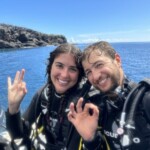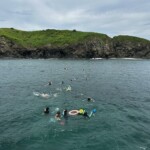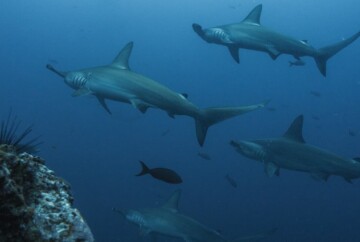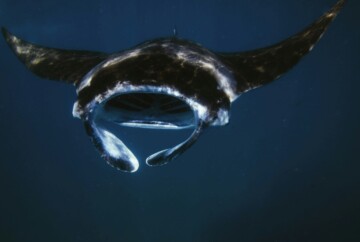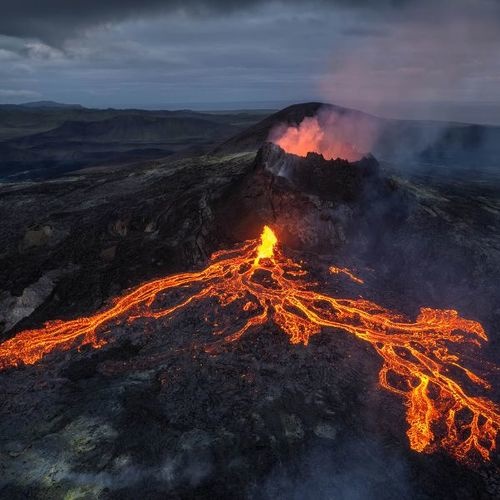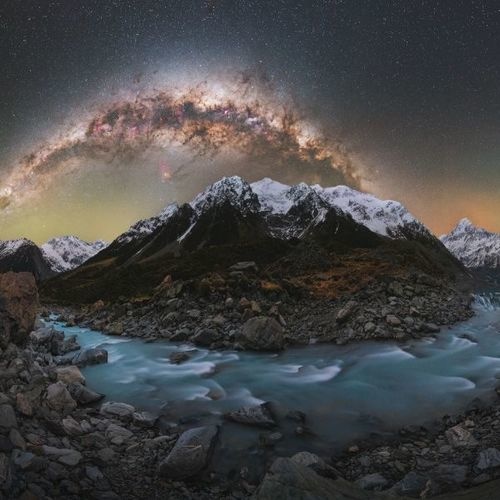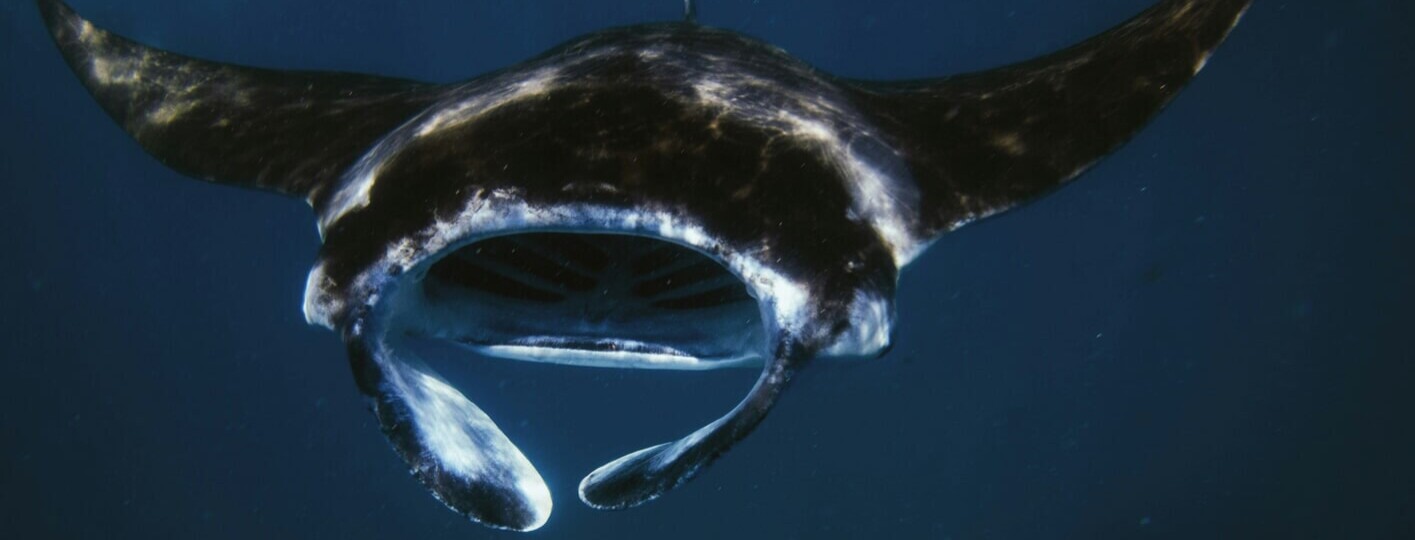
There’s nothing I love more than exploring the underwater world, so I couldn’t pass up the chance to go diving in Guanacaste, Costa Rica. While there are many dive sites in Costa Rica, the Guanacaste region really stands out thanks to its warm waters, incredible marine life, and stunning seascapes that take your breath away from the very first dive.
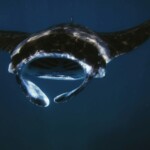
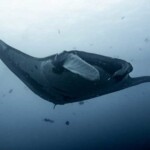
Whether it’s your first time underwater or you already have hundreds of dives in your logbook, I highly recommend scuba diving in Guanacaste during your trip to Costa Rica. To give you an idea of how magical it can be, we managed to see five giant Pacific manta rays on a single dive, among many other unforgettable encounters.
Guide to diving in Guanacaste, Costa Rica
In this guide, you’ll find everything you need to plan your next diving adventure in Guanacaste, from the best time of year to dive to the top sites, and recommended tours in Costa Rica to help you have a safe, fun, and awe-inspiring underwater experience. Here’s what I’ll cover:
- Map of the best diving spots in Guanacaste
- Best time to dive in Guanacaste
- Best diving tours in Guanacaste
- Getting your PADI certification in Guanacaste
- Best snorkeling spots in Guanacaste
Best diving destinations in Guanacaste
There are many amazing places to visit in Guanacaste, both on land and underwater. But if the aquatic world calls to you like it does to me, these three diving destinations are the ones you really shouldn’t miss:
Catalina Islands
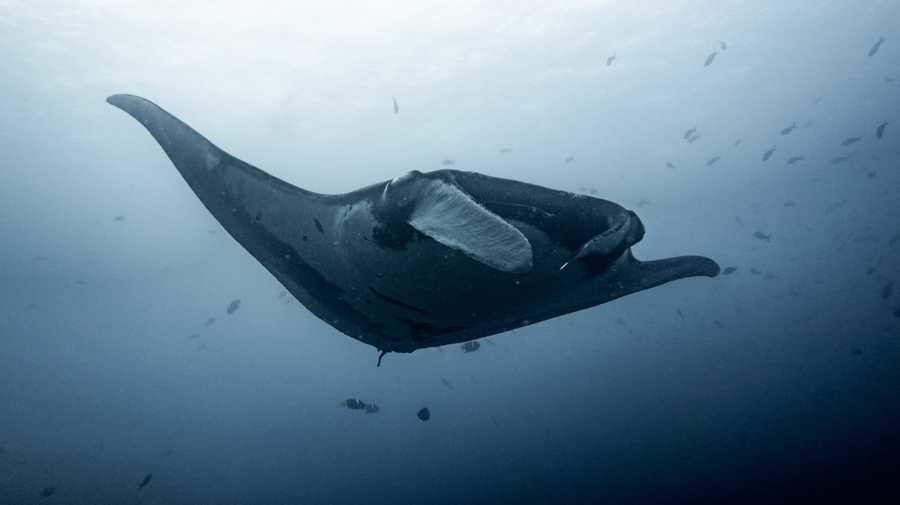
The Catalina Islands are home to some of Costa Rica’s most famous dive sites. They’re known for their strong currents and, above all, for the chance to swim with majestic giant oceanic manta rays all year long. These incredible creatures can reach up to 23 feet in wingspan and weigh around 2,800 pounds, making every sighting a once-in-a-lifetime experience. Depending on the season, you might also spot bull sharks, humpback whales, and an incredible variety of marine life.
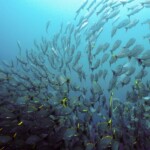
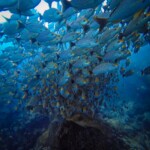
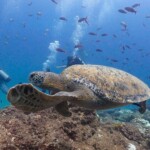
Because of these changing conditions, no two dives in the Catalina Islands are ever the same. The currents bring in different species every day, but some of the most common species include sea turtles, moray eels, eagle rays, pufferfish, reef sharks, and large schools of colorful tropical fish.
You only need an Open Water Diver certification to dive here, but an Advanced certification is definitely better, since the currents can be challenging at times.
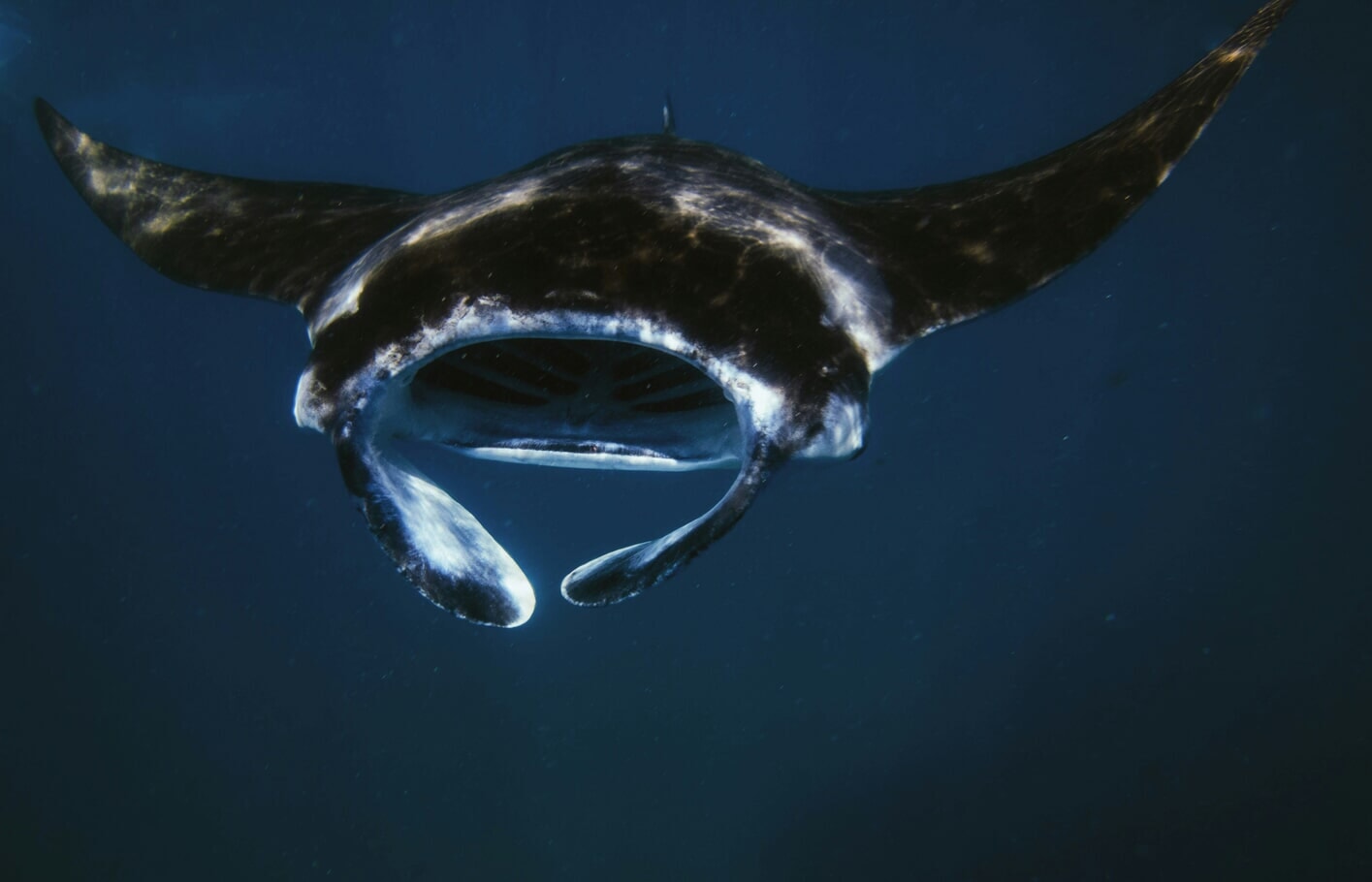
Catalina Islands
The best season to see manta rays is from November to April, during the dry season, especially between January and March. If you prefer calmer waters, plan your visit between July and November when the currents are gentler. Visibility is usually at its best from September to November.
The Catalina Islands are located about 8 miles off the coast, directly opposite Playa Flamingo, though you can also reach them from Tamarindo, Playa del Coco, or Playa Hermosa. The boat ride typically takes 30 to 40 minutes by speedboat.
We joined this two-dive tour while exploring the beaches of Tamarindo, and loved every moment of it. If it’s easier for you, you can take this tour departing from Playa del Coco or Playa Hermosa. Another possibility is this excursion departing from Playa Flamingo.
You can check out my complete Catalina Islands guide if you’d like to plan your visit, and a little spoiler: my diving experience there was absolutely incredible!
- Best time to visit: The best time to dive here is from January to March, during the dry season, when oceanic manta rays are most frequently spotted. During these months, the water tends to be cooler and the currents stronger due to the Papagayo winds, but this is when large pelagic species appear. Visibility is usually best from September to November, at the end of the rainy season. Between May and December, the chance of seeing manta rays goes down, but the sea conditions become calmer, making it a good period for less experienced divers.
- Visibility: 25 ft to 60 ft.
- Water temperature: typically between 65°F and 80°F, though cold thermoclines can drop as low as 60°F.
- Difficulty: ranges from easy to advanced, depending on the site and current strength.
- Depth: from 40 ft to 120 ft.
- Common species: oceanic manta rays, whitetip reef sharks, turtles, eels, lobsters, octopuses, and smaller manta rays.
Bat Islands
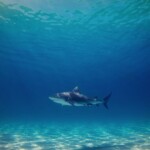
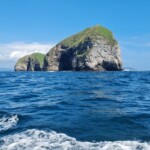
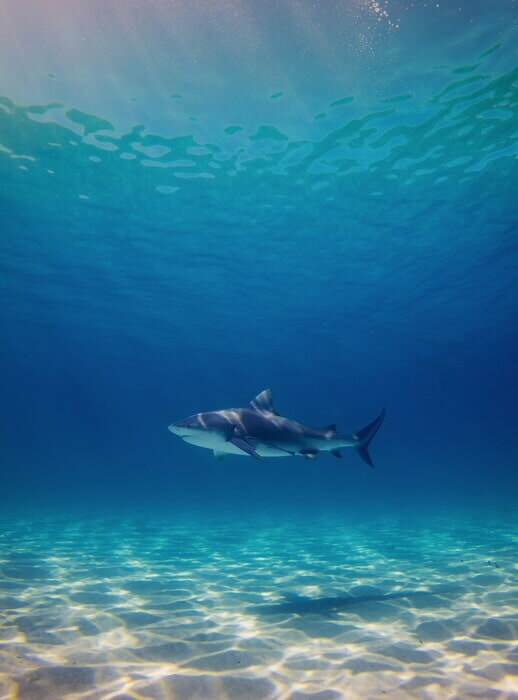
Another top diving destination in Guanacaste is the Bat Islands, one of the few places on Earth where you can almost guarantee an encounter with bull sharks in their natural environment, without any baiting involved. Every dive here feels like a real underwater adventure.
These islands are part of Santa Rosa National Park, one of the most beautiful national parks in Costa Rica. To help preserve the ecosystem, visitor access is limited to just 35 people per day. There’s also a $17 park entry fee, which is typically included in most diving tours.
The best time to dive at the Islas Murciélago (Bat Islands) is from June to October, during the green season. This is when the fierce Papagayo winds calm down, making navigation safer. From December to April, those winds whip across the North Pacific so powerfully that many dive operators pause their tours entirely. Still, even during calmer months, visibility can be reduced, and currents remain moderate to strong throughout the year.
Bat Islands
Because dives here can reach depths of up to 100 feet, an Advanced Open Water certification is mandatory for anyone wishing to explore this area.
Besides bull sharks, you might also spot giant Pacific manta rays, turtles, eagle rays, snappers, barracudas, and schools of colorful tropical fish. And during the boat ride, it’s quite common to see dolphins, and even humpback whales when they’re in season.
Some dive centers operate trips from Playa del Coco and Playa Hermosa, but we joined this excursion from Tamarindo, which included two dives. Coming face-to-face with bull sharks in their natural habitat was thrilling, as they’re more than double our size. And while they’re considered among the most dangerous animals in Costa Rica, I always felt completely safe thanks to our divemaster’s guidance.
- Best time to dive: June to October is the ideal period, when conditions are safest and access is easier. During these months, the water is typically more favorable than at other times of the year, although currents can still be strong, making this a dive that demands attention and skill.
- Visibility: 25 ft to 100 ft.
- Water temperature: between 73°F and 85°F. Because cold thermoclines can dip to around 60°F, it’s always wise to wear a wetsuit of at least 3 mm.
- Difficulty: Intermediate. Strong currents are fairly common.
- Depth: between 60 ft and 130 ft.
- Common species: bull sharks, giant manta rays, eagle rays, barracudas, grunts, snappers, pufferfish, angelfish, butterflyfish, goliath groupers, moray eels, octopuses, sea turtles, sailfish, wahoo, and mahi-mahi.
Gulf of Papagayo
If you’re a beginner diver, the Gulf of Papagayo is one of the best places in Guanacaste to build confidence underwater. This area is perfect if you’re still getting used to scuba gear or simply want a calm, relaxed dive. You’ll find almost no currents, great visibility, and warmer water temperatures than in the Catalina or Bat Islands, which makes the experience even more enjoyable.
Gulf of Papagayo
Playa del Coco is the main hub for dive centers offering trips in this area, but you’ll also find a few in Playa Hermosa, just a short distance away. We took this tour that included two dives, which was ideal for exploring the variety of underwater scenery.
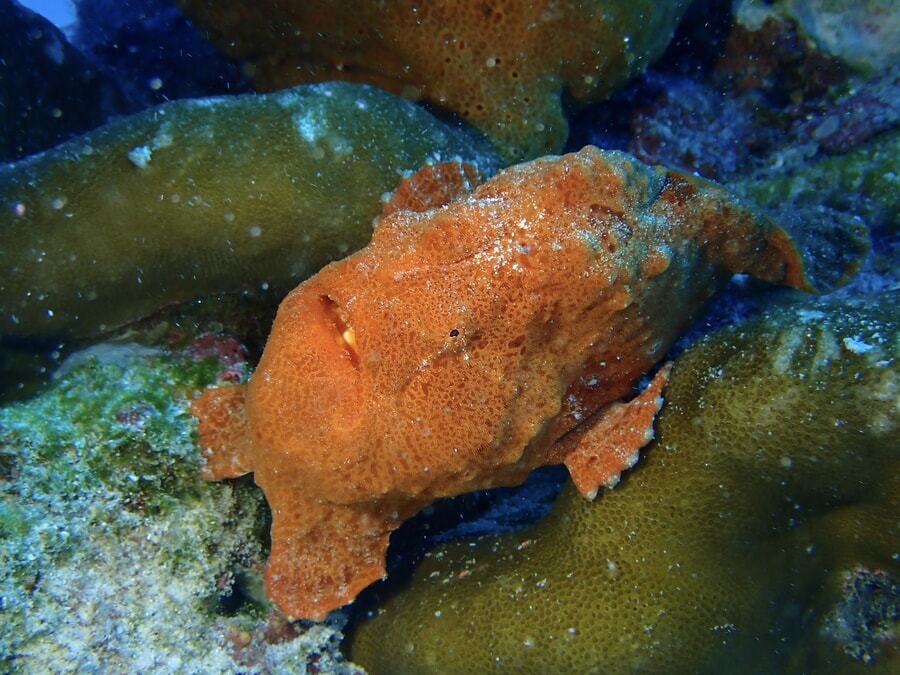
Once you descend, you’ll discover volcanic formations like arches, caves, and tunnels, and there’s even a fascinating shipwreck to explore. Although coral isn’t the main attraction here, you might get lucky and spot some pelagic species, especially when the Papagayo winds stir up nutrient-rich waters. Common marine life in this area includes whitetip reef sharks, turtles, lobsters, seahorses, octopuses, pufferfish, moray eels, sea urchins, and stingrays.
- Best time: December to April, during the dry season, is when the famous Papagayo winds create stronger currents and cooler waters. These same conditions attract more pelagic species, making the dives extra exciting. From May to November, the sea usually stays calm, with warmer water and abundant marine life, which is ideal for beginner divers.
- Visibility: 25 ft to 50 ft.
- Water temperature: between 73°F and 85°F.
- Difficulty: Easy. Perfect for beginners who aren’t yet ready for the Catalina or Bat Islands.
- Depth: 35 ft to 100 ft.
- Common species: whitetip reef sharks, turtles, lobsters, seahorses, octopuses, and manta rays (best season from January to May), along with pufferfish, moray eels, and sea urchins.
Map of the best diving spots in Guanacaste
Here’s a handy map of the best dive sites in Guanacaste. As you can see, most of them are concentrated around the Gulf of Papagayo. If your main goal is to explore the underwater world, I highly recommend staying at one of the hotels or lodges nearby.
Best time to dive in Guanacaste, Costa Rica
Diving in Guanacaste is possible throughout the entire year, although the best time depends on what kind of experience you’re hoping for.
It’s important to know that the North Pacific coast is strongly influenced by the Papagayo winds, which blow with great force between December and March. These winds cool the water, increase the currents, and affect only this region of Costa Rica, meaning that the best diving season here doesn’t line up with other parts of the country.
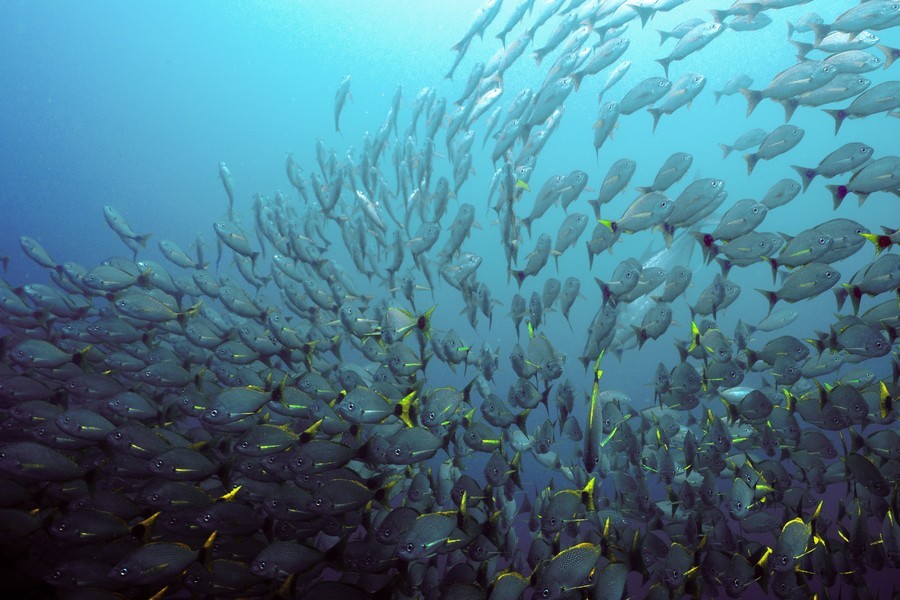
Between January and March, the stronger currents attract large pelagic species like giant Pacific manta rays to the Catalina Islands, creating spectacular encounters for divers. However, those same conditions make diving too difficult in the Bat Islands, and most dive centers suspend tours there temporarily until the seas calm down.
Best time to dive in Guanacaste, Costa Rica
If your dream is to dive with bull sharks in the Bat Islands, plan your trip between June and October, during the rainy season. The sea is much calmer in the Gulf of Papagayo during these months, and conditions are safer, allowing you to fully enjoy this thrilling advanced dive alongside one of the ocean’s most impressive predators.
In general, the dry season is considered the best time to travel to Costa Rica, as you’ll have sunny days and comfortable temperatures for exploring the country. If you visit during this time, make sure not to miss manta ray diving in the Catalina Islands.
Lastly, during the humpback whale migrations in Costa Rica (from February to March and July to October), it’s sometimes possible to see or even hear whales while diving in Guanacaste. Although the most frequent and spectacular sightings happen in the South Pacific, catching a glimpse of these gentle giants here is still an unforgettable experience.
Best diving tours in Guanacaste, Costa Rica
Now that you know all about scuba diving in Guanacaste, it’s time to look at some of the best tours available for your underwater adventures.
Diving tours from Tamarindo, Guanacaste
Tamarindo is one of the most exciting spots on the Nicoya Peninsula, and it’s the kind of place where you can easily spend several days without ever running out of things to do. Along with its wide variety of restaurants, hotels, and a lively nightlife scene, Tamarindo also offers some of the best diving tours in Guanacaste.
Diving tours from Tamarindo, Guanacaste
For certified divers, there are several tours in Tamarindo that explore the Pacific waters, but one of the top choices is this excursion that takes you to the Catalina Islands, known for their amazing dive sites. The tour includes equipment, snacks, and drinks throughout the trip, and it’s operated in small groups of up to five divers, which ensures a personalized and relaxed experience.
If you’re more interested in seeing bull sharks, you can also join this tour from Tamarindo that takes you to the Bat Islands for two thrilling dives with these magnificent creatures.
Diving tours from Playa del Coco and Playa Hermosa
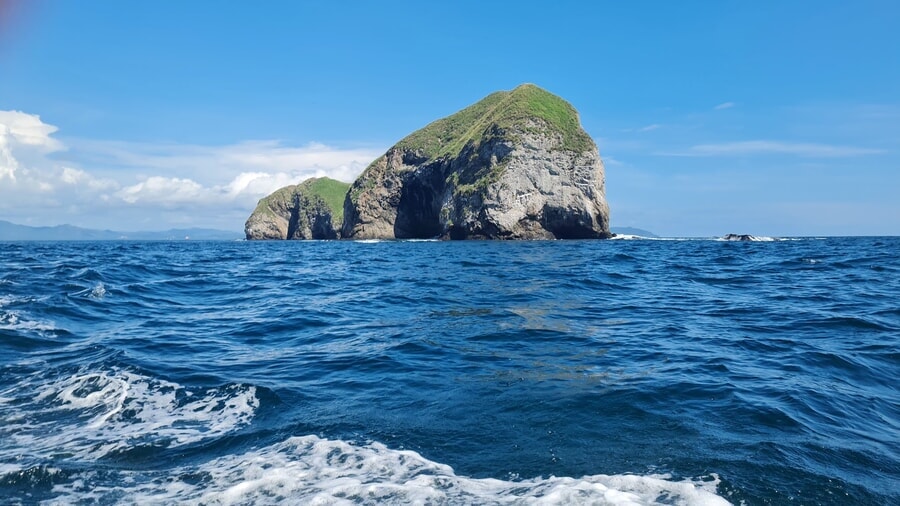
Without a doubt, one of the best things to do in Playa Hermosa or Playa del Coco is to experience scuba diving in Guanacaste.
Diving tours from Playa del Coco and Playa Hermosa
This excursion departs from both towns and even includes pick-up service from nearby areas if you’re staying elsewhere. The tour includes two dives at sites around the Catalina Islands or Bat Islands, and you can choose between a morning or afternoon schedule, as the whole trip takes only half a day.
If you’re still learning how to dive or prefer calmer conditions, there are also dives available at several spots in the Gulf of Papagayo. For example, you can book this two-dive excursion from Playa del Coco that takes you to different points in the gulf where currents are lighter and visibility is often excellent.
Diving tours from Playa Flamingo
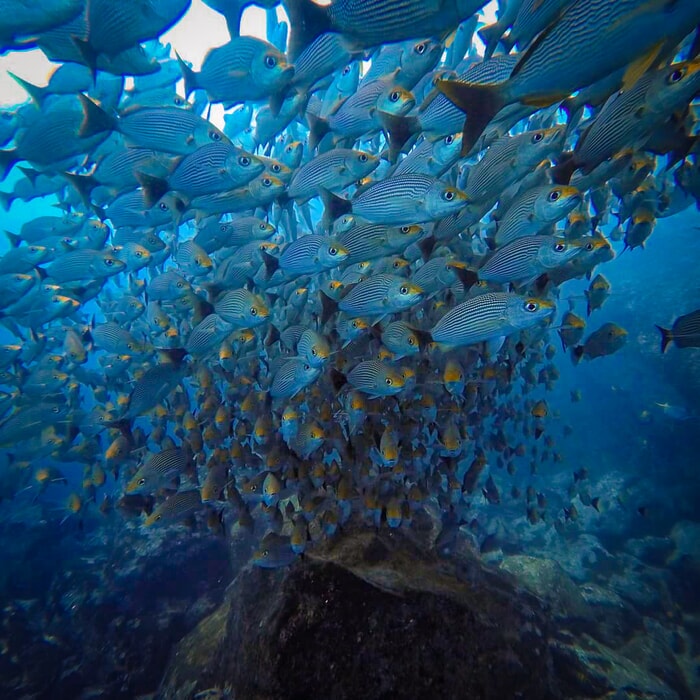
If your base is Playa Flamingo, you’re in luck, because this is the closest town to the Catalina Islands. Booking a diving tour from here means you’ll spend less time on the boat and more time in the water.
Diving tours from Playa Flamingo
A great option is this two-tank diving trip that includes snacks and drinks onboard, so you can relax between dives. What makes this tour stand out is the experience of the local divemasters, who know the area inside and out. They’ll choose the best dive sites based on conditions and visibility that day, ensuring you have the best possible experience.
Keep in mind that this activity is available only for certified divers, so make sure you bring your certification card with you.
Diving tours in Guanacaste for non-certified divers
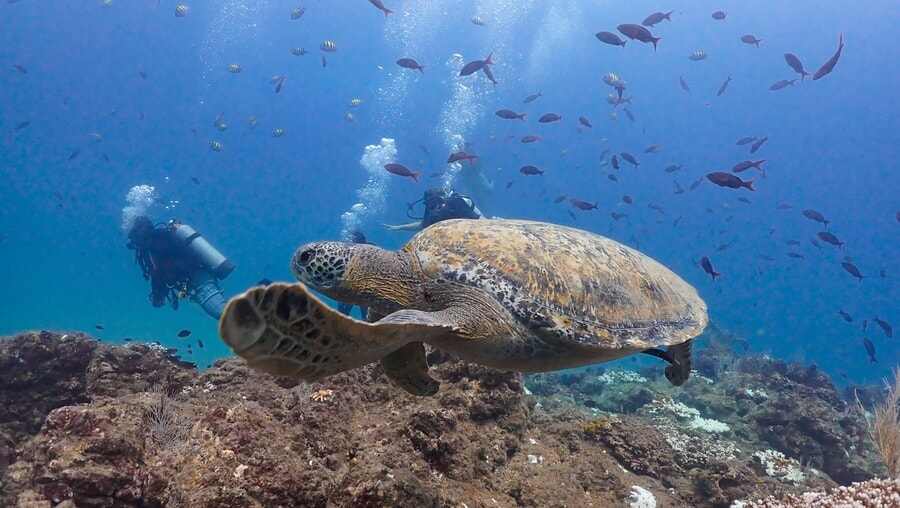
If you’ve never been scuba diving before or you don’t yet have your certification, don’t worry; you can still experience the magic of the underwater world. One of the best ways to do this is by booking this Discover Diving tour, which departs from Playa Flamingo.
Diving tours in Guanacaste for non-certified divers
This introductory dive gives you your first real taste of what scuba diving feels like. Before heading into the ocean, you’ll start with a short training session in a pool to learn a few basic skills and safety techniques. Then, you’ll enjoy two open-water dives to depths of up to 40 feet under the guidance of a professional instructor.
If you’re staying at one of the hotels in Tamarindo, this Discover Diving tour is a convenient alternative.
I highly recommend this experience to anyone who’s curious about diving but isn’t quite ready to commit to the full Open Water certification course. It’s a fantastic way to get a feel for scuba diving with minimal time and cost, and who knows, it might just spark a lifelong passion.
Getting the PADI certification in Guanacaste
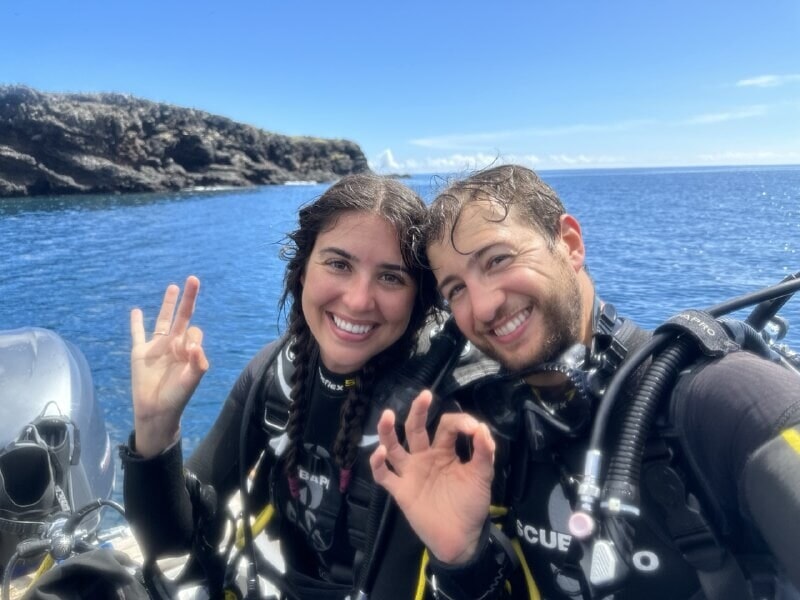
You can take as many Discover Scuba Diving experiences as you like, but if you find that you really enjoy diving and want to take it further, getting your PADI certification in Tamarindo is an excellent idea, and here’s why.
Getting the PADI certification in Guanacaste
Diving without certification can actually be more expensive in the long run and limits you to a maximum depth of 40 feet. With a PADI Open Water Diver certification, you’ll not only gain the skills and confidence to dive safely and independently, but you’ll also be able to reach depths of up to 60 feet. The course helps you become more comfortable with the gear, improve your buoyancy, and make the most of every underwater adventure.
As for myself, I started with a Discover Scuba Diving (DSD) session just to see what it felt like to be underwater with all the equipment. As soon as I surfaced from that first dive, I knew I’d found something special. Once I got back home, I immediately signed up for the PADI Open Water Diver course to get certified and truly explore the sea. The course typically lasts about three days, and once you complete it, you’ll be certified to dive anywhere in the world. It’s a one-time investment that opens up a lifetime of adventure beneath the waves.
Best places to snorkel in Guanacaste
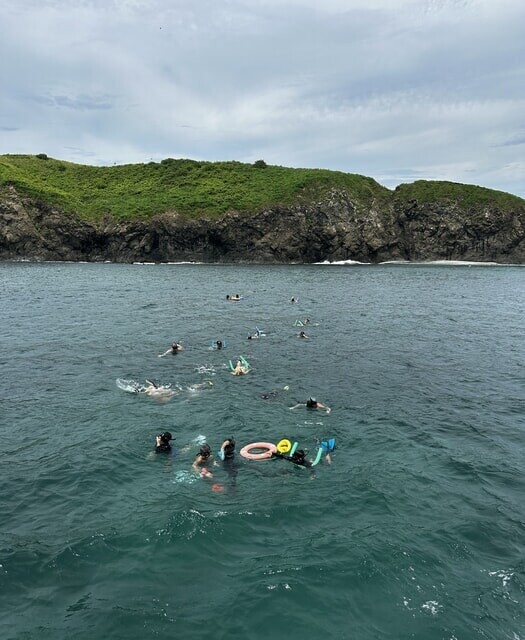
If scuba diving isn’t quite your thing, don’t worry; snorkeling in Costa Rica is equally magical. You don’t need any special training, and you can see an amazing variety of marine life just by floating in shallow water. So, grab your mask and fins, and dive right in!
Some of the best beaches in Guanacaste for snorkeling on your own include:
- Playa Conchal, with its turquoise waters and excellent visibility, especially near the rocky eastern end that borders Brasilito Beach.
- Ocotal Beach, a small, sheltered bay with calm, clear waters that are perfect for exploring the rock formations on both sides.
- Playa Dantita, often described as one of the most beautiful beaches in Costa Rica, featuring rocky bottoms full of colorful tropical fish.
- Playa Penca, a peaceful and uncrowded bay with crystal-clear water, where the best snorkeling is around the rocks, particularly on the right-hand side facing the ocean.
If you’re open to joining a tour, I highly recommend snorkeling in the Catalina Islands. This excursion departs from Tamarindo, and this one leaves from Playa Flamingo.
Best places to snorkel in Guanacaste
You can also take this kayak and snorkeling tour to explore Chora Island, just off the coast of Sámara, known for its shallow coral reefs and rich marine life. For a little extra adventure, consider this tour that combines snorkeling around the island with dolphin watching.
Another great spot is Capitán Island, located just a few feet off the coast of Tamarindo Beach. You can reach it easily by joining this kayak tour and enjoy fantastic snorkeling once you’re there.
Finally, if you’re looking for a relaxing way to combine snorkeling with a bit of leisure, several catamaran tours offer the perfect mix. These trips include sailing, snacks, and free time to jump in and explore the underwater world at your own pace. We took this tour from Playa Hermosa and had a great time, but you can also take this excursion from Playa del Coco , or this tour from Tamarindo, depending on where you’re staying.
And that’s a wrap on diving in Guanacaste, Costa Rica! I hope this guide has inspired you to explore the country’s incredible underwater world.
If you’ve already been scuba diving in Guanacaste and want to share your experience with other travelers, feel free to leave a comment below. And if you have any questions, I’d be happy to help.
Enjoy your underwater adventures in Guanacaste!