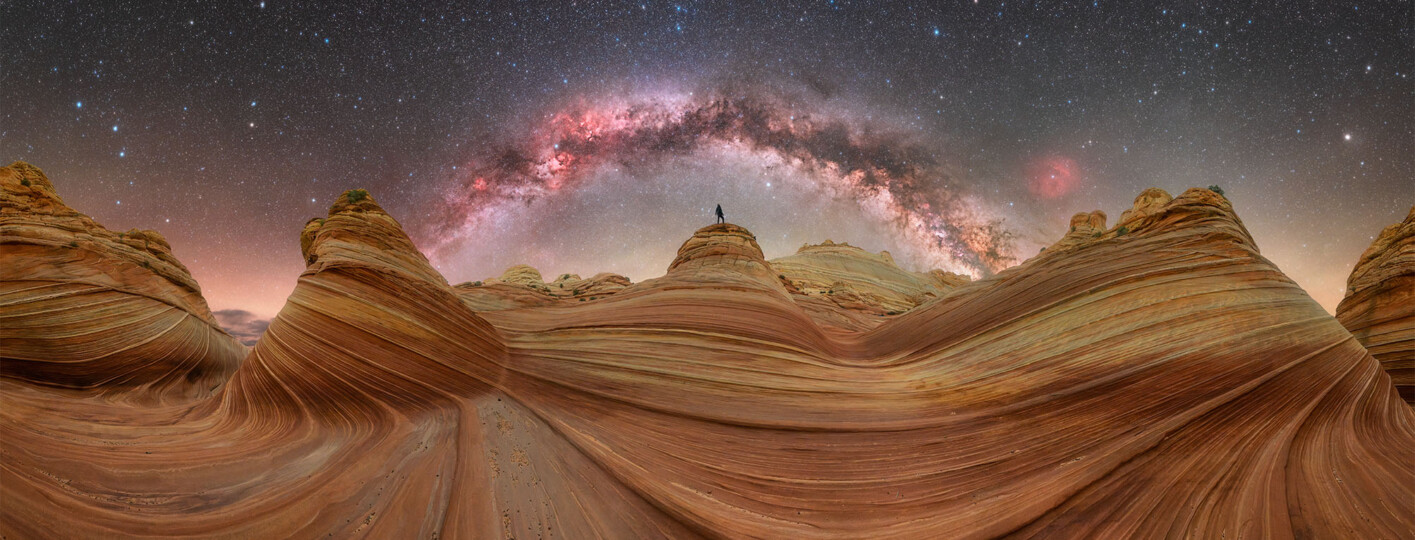
Choosing the best camera for Milky Way photography isn’t about chasing the newest model, it’s about understanding which features actually matter in the field, at night, and often in challenging conditions. Below is a practical methodology to help you evaluate any camera with astrophotography in mind.
What makes a camera great for Milky Way photography:
|
I’ve been testing and comparing different models and, in a nutshell, these are the 10 best cameras for Milky Way photography:
1. Sony A7IV
2. Nikon Z6 III
3. Canon EOS R8
4. Sony A7SIII
5. Canon EOS R6 Mark III
6. Nikon Z5 II
7. Sony A1 II
8. Nikon Z8
9. Canon EOS R5 Mark II
10. Fujifilm X-H2S
System | MPX | Native ISO | LCD | Price |
||
|---|---|---|---|---|---|---|
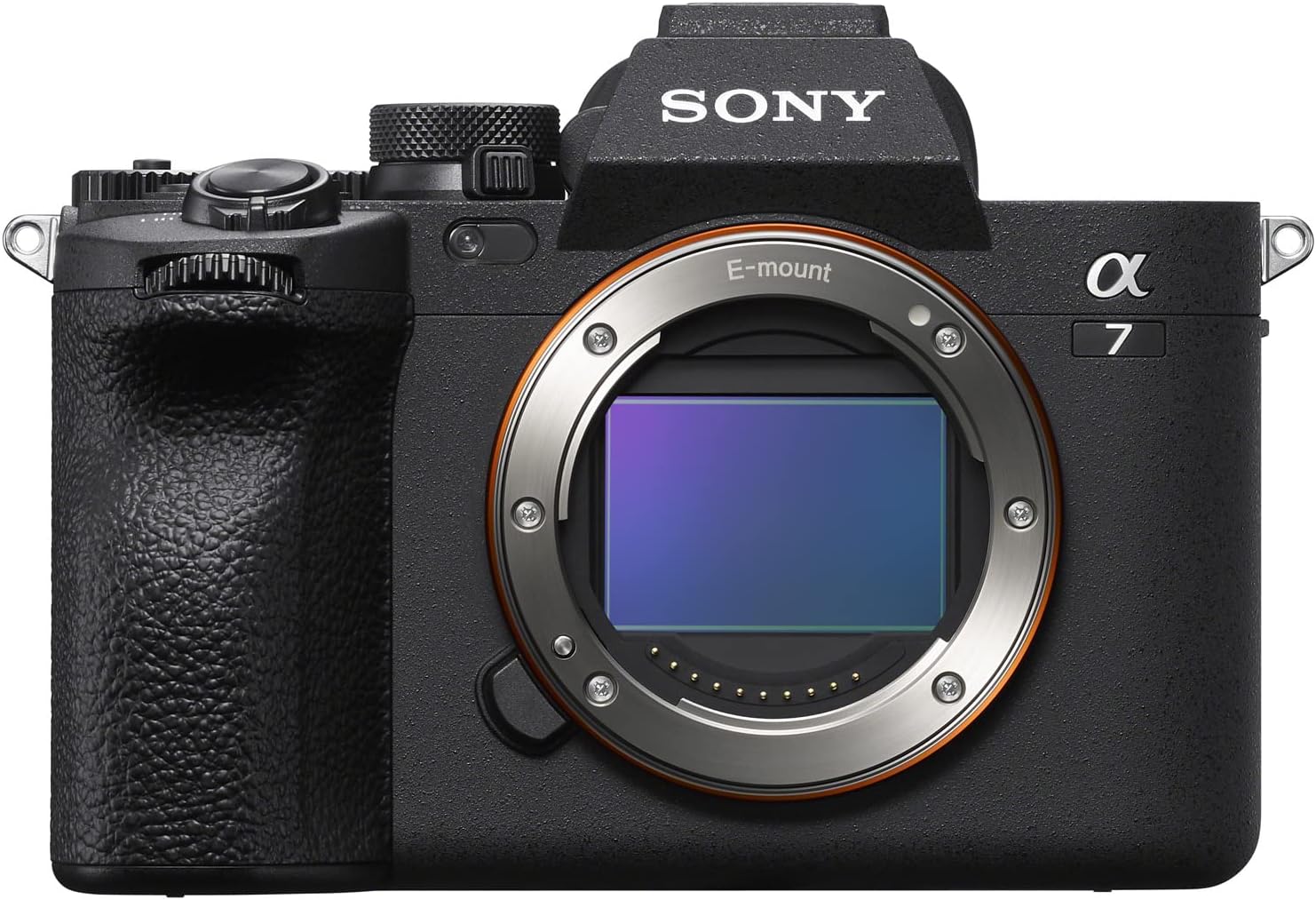 | Mirrorless | 33 | 100-51200 | Fully articulated | $2500 |
|
 | Mirrorless | 24,5 | 100-64000 | Fully articulated | $2500 |
|
 | Mirrorless | 24 | 100-102400 | Fully articulated | $1499 |
|
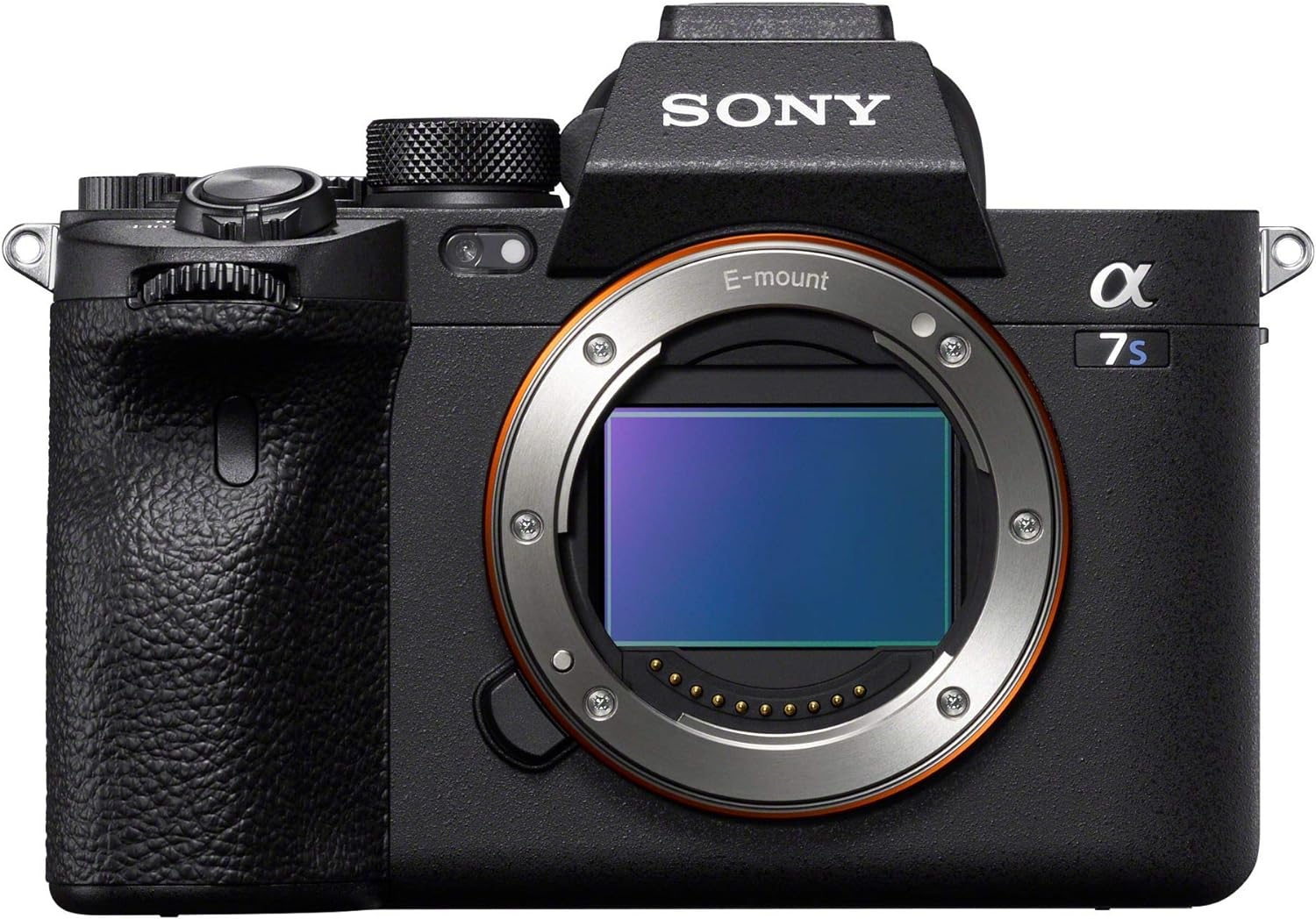 | Mirrorless | 12 | 80-102400 | Fully articulated | $3500 |
|
 | Mirrorless | 32 | 100-64000 | Fully articulated | $2800 |
|
 | Mirrorless | 24 | 100-64000 | Fully Articulated | $1600 |
|
 | Mirrorless | 50 | 100-32000 | Fully articulated + tilting | $6700 |
|
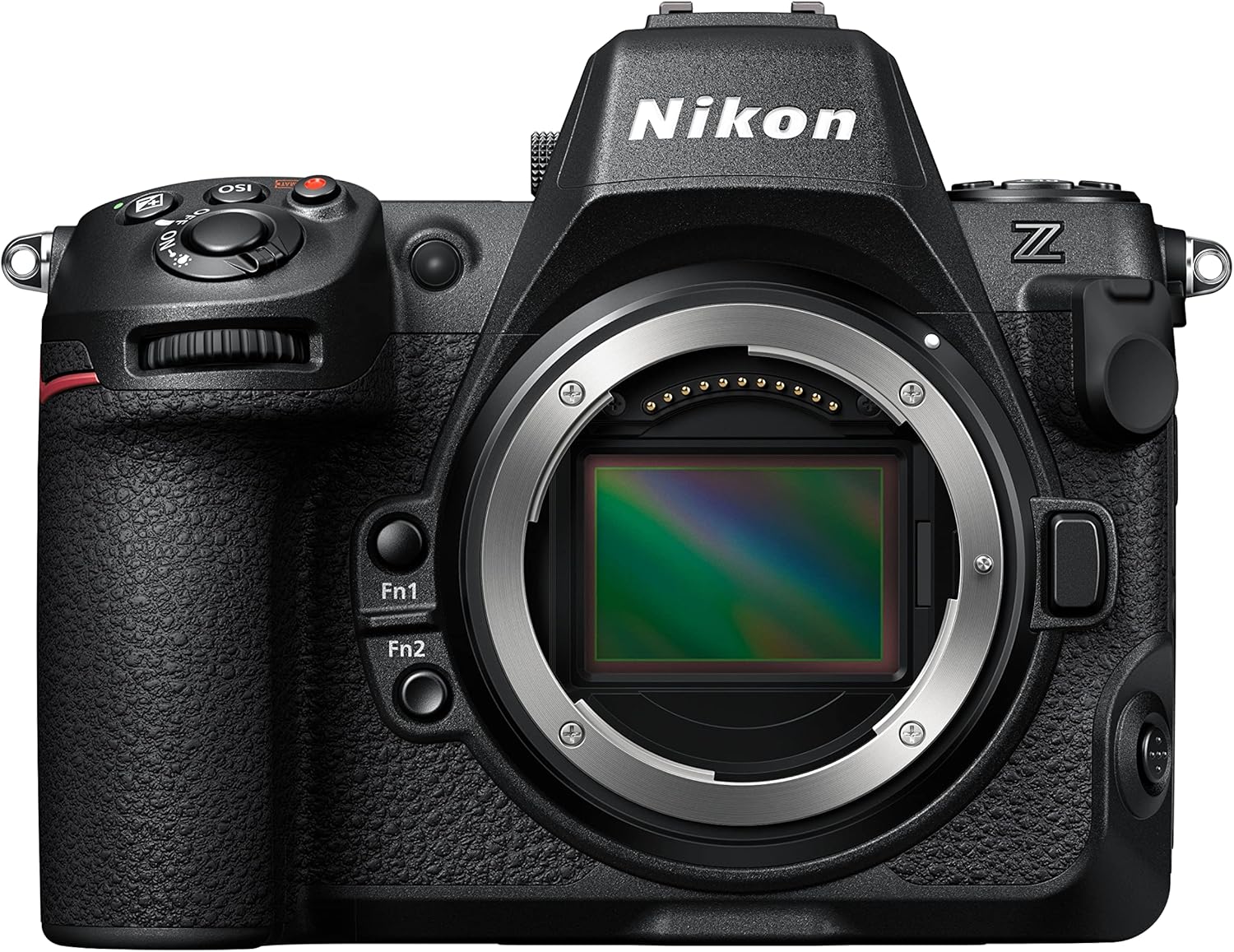 | Mirrorless | 52 | 64-25600 | Tilting | $3999 |
|
 | Mirrorless | 45 | 100-51200 | Fully articulated | $3900 |
|
 | Mirrorless (APS-C) | 26 | 100-12800 | Fully articulated | $2900 |
|
| BEST CAMERAS FOR MILKY WAY PHOTOGRAPHY | ||||||
How to choose the best camera for Milky Way Photography
When looking for a Milky Way camera, focus on sensor performance and night-shooting usability first; brand and megapixels come later. Here are the key factors that make a meaningful difference in astrophotography:
Minimum Requirements
Your camera must offer full manual exposure control, RAW capture, reliable magnified live view for focusing, and consistent long-exposure shooting (bulb/time mode or an equivalent solution). In practice, you’ll also want an interchangeable-lens camera. Smartphones and action cameras may shoot RAW and allow manual settings, but their sensor size and optics limit low-light performance and post-processing flexibility compared to a dedicated camera with a fast lens.
Sensor size, pixel pitch, and resolution
Full-frame sensors usually deliver better low-light performance and lower noise. Pixel pitch is especially important for astrophotography, as larger pixels can gather more light and improve signal-to-noise ratio. Resolution still matters for detail, but more megapixels aren’t always better. For Milky Way photography, an ideal balance is typically 20–34 MP, offering good detail without compromising high-ISO performance.
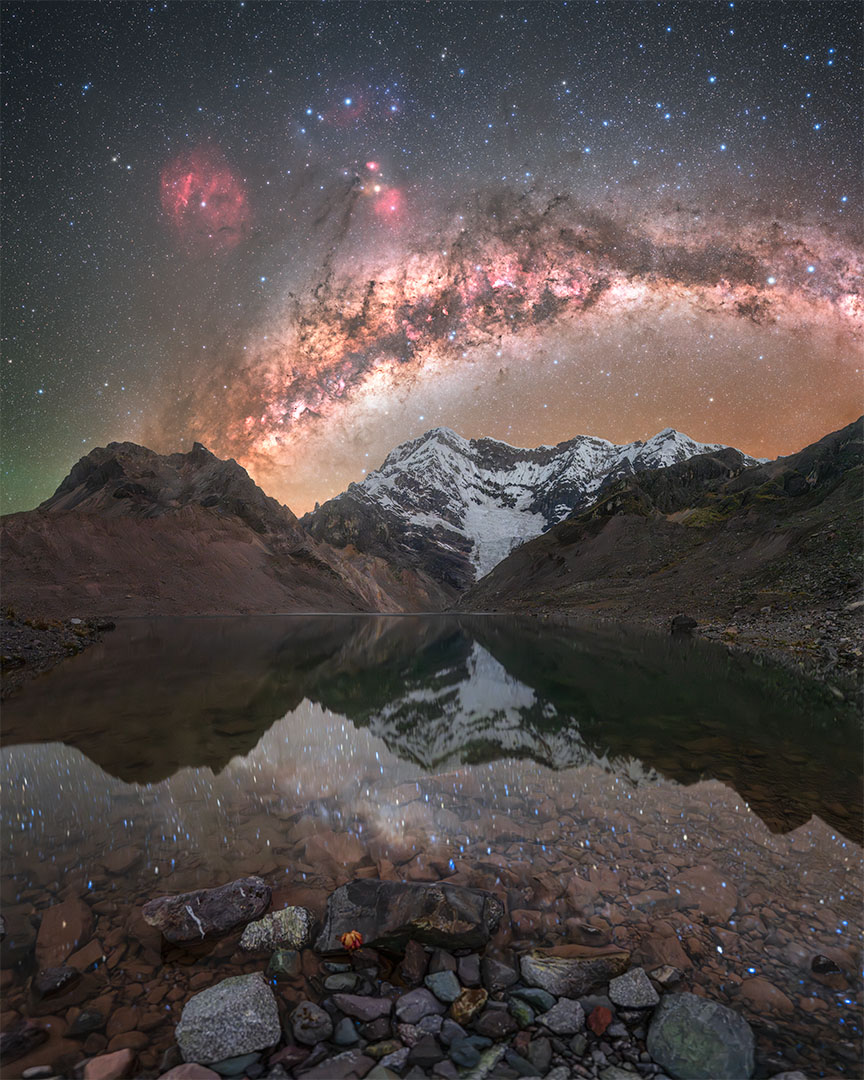
Image captured with a Full-Frame sensor (23 mpx) and exceptional low-light performance (Sony A7III)
High-ISO performance and dynamic range
A strong astro camera doesn’t just minimize noise at high ISO, it also maintains dynamic range as ISO increases. This is key for preserving star colors, faint nebulae, and clean shadow detail during post-processing. Use objective data sources like Photons to Photos to compare real sensor performance.
Thermal performance
Long exposures generate heat, which can introduce thermal noise. Cameras with good heat management produce cleaner files, especially during extended night sessions or in warmer conditions.
Night view matters
Features like Bright Monitoring (in Sony) or Starlight View (in Nikon) make composing and focusing in near-total darkness far easier, and are a major workflow upgrade.
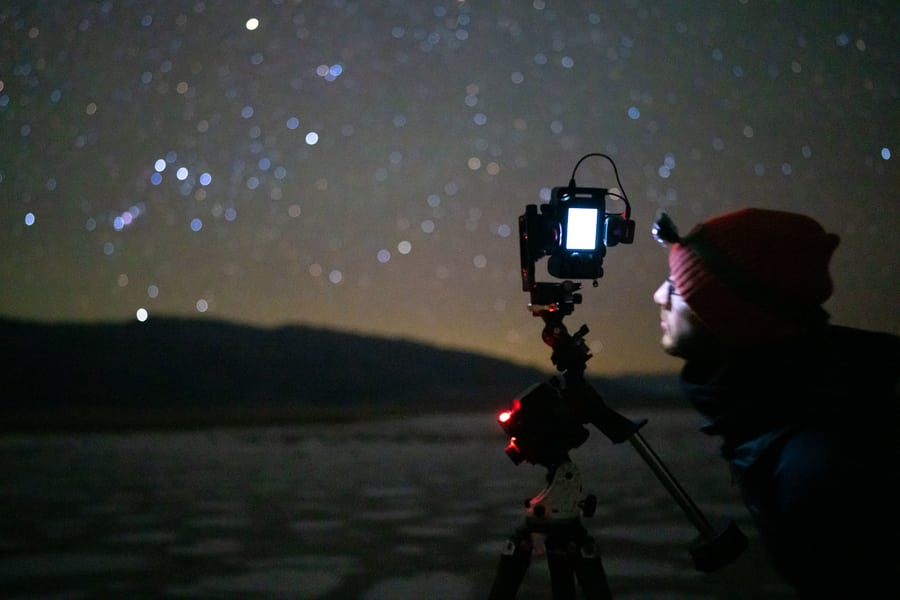
Night-view modes are very helpful for composing in the dark
Focusing aids
Focus peaking and reliable magnified live view are essential for precise manual focus on stars. Ideally, your camera should allow you to choose between different peaking levels and colors (I personally recommend a medium peaking level and red color)
Power & battery
Long exposures drain batteries quickly, so make sure the camera can run for long Astro sessions. USB charging is a big advantage.
Usability
A tilting screen, good ergonomics, illuminated buttons, and lightness will make the shooting experience much more enjoyable. Additionally, a built-in intervalometer simplifies long night sessions, allowing you to capture time-lapses and automate stackings. Finally, having a “time” mode is a huge perk for longer exposures in the foreground or if you’re using a star tracker and need exposures longer than 30 seconds.
Advanced options
Astro-modification support is a bonus for more specialized Milky Way and deep-sky work. Also, make sure your specific model doesn’t have a baked-in noise-reduction feature in the RAW files, or other problems like the “star eater” issue seen in some older Sony cameras.
Besides choosing a good camera, using the best Milky Way camera settings is key to shooting our galaxy. Also, don’t forget that lenses are as important as cameras in night photography, so I highly recommend pairing your camera with one of the best lenses for Milky Way photography.
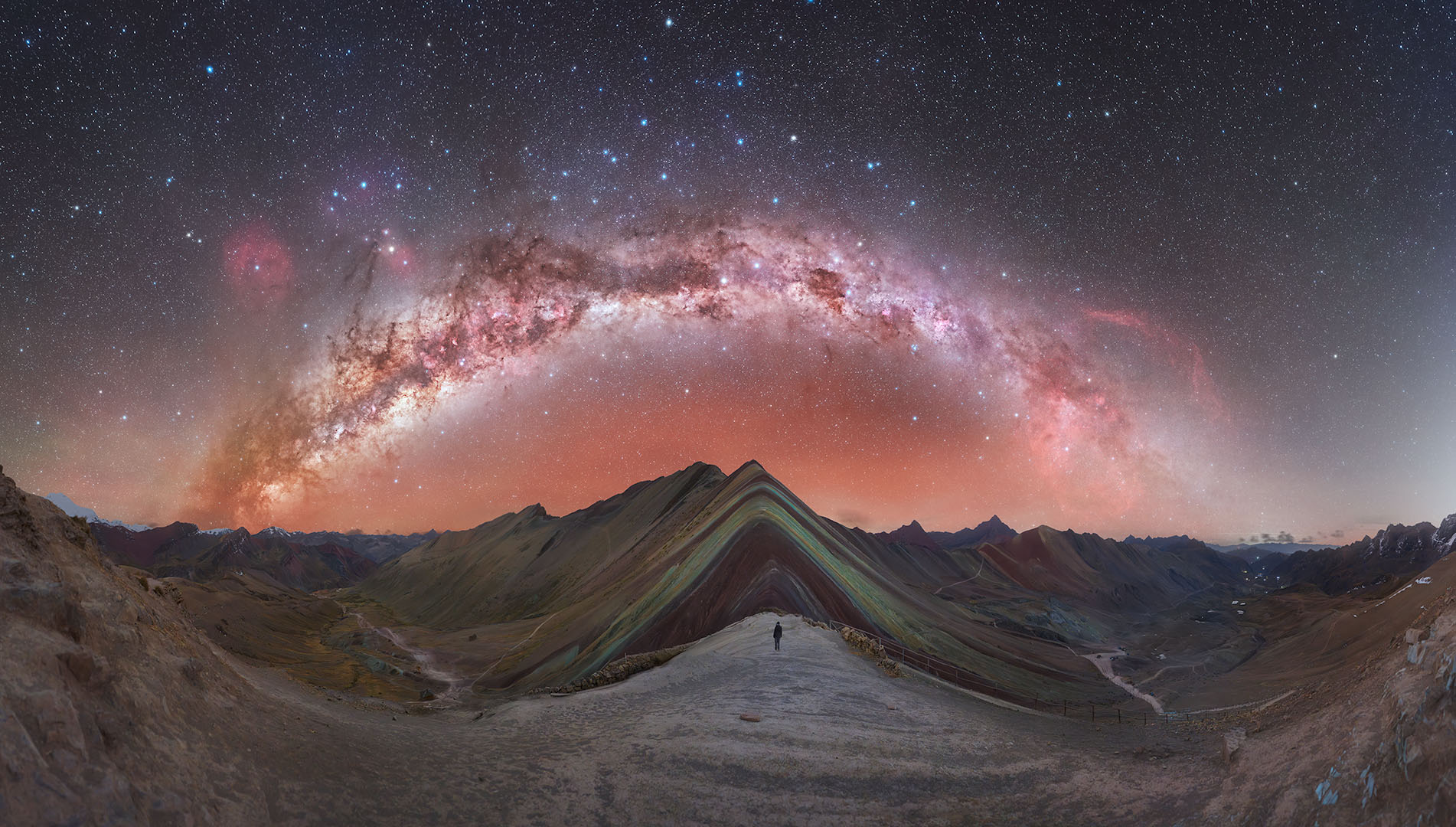
Having a good camera for Milky Way photography is fundamental.
After showing you how to choose the best camera for your Milky Way photographs, I’ll give you a detailed list of the best cameras for Milky Way. In this main list, I’ve mainly featured full-frame cameras since these are the best to photograph the Milky Way with more quality and less digital noise; however, if you’re an APS-C shooter, you’ll also find what I consider the best APS-C camera for Milky Way photography.
Additionally, I’ve added a range of models to suit all tastes and budgets. You’ll find a list dedicated to budget options to photograph the Milky Way, the best micro 4/3 cameras, the best compact cameras, and the best smartphones to photograph the Milky Way.
Ready to find the best camera for Milky Way?
-
- Best digital cameras for Milky Way photography
- Best APS-C cameras for shooting the Milky Way
- Best affordable cameras for Milky Way photography
- Best Micro 4/3 cameras for Milky Way photography
- Best compact camera for Milky Way photography
- Best smartphones for Milky Way photography
- Basic requirements in any Milky Way camera
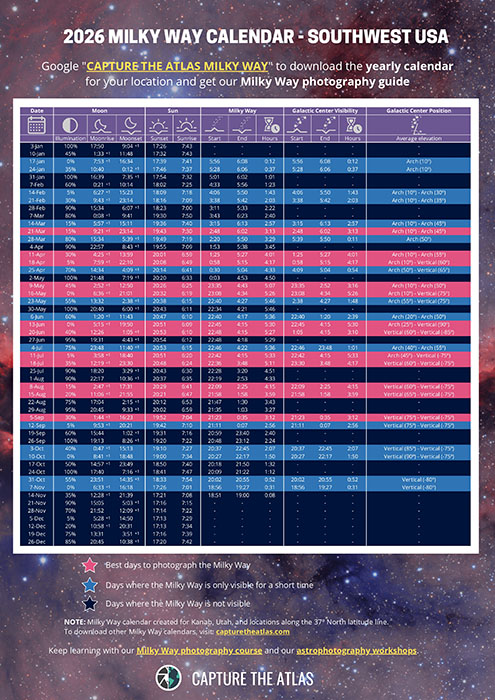
GET THE CALENDAR WITH THE BEST DATES TO PHOTOGRAPH THE MILKY WAY IN 2026
You'll also receive our PDF guide to photographing the Milky Way!
These are the best digital cameras for Milky Way photography:
Best overall value: SONY A7IV
Best Nikon option: NIKON Z6III
Best Canon option: 3. Canon EOS R8
| The Canon EOS R8 is the best Canon camera for Milky Way thanks to its features, as well as its reduced price point.
Despite its compact and lightweight body, it delivers surprisingly good low-light and high-ISO performance, making it well-suited for night and astro work. While it lacks some advanced features found in higher-end models, the R8’s sensor (which is the same as the EOS R6 II) produces clean files with good color and enough dynamic range for Milky Way scenes. As an entry-level full-frame body, the EOS R8 pairs well with Canon’s growing RF lens ecosystem, including several wide-angle options suitable for astro and landscape photography. For Canon shooters looking to step into full-frame without a large investment, the R8 offers an excellent balance of portability, price, and nighttime image quality. |
If you are looking for a camera to astromodify, the Canon EOS R8 is highly recommended by Spencers Camera.
Best option for hybrid shooters: Sony A7S III
Best Canon hybrid camera: Canon EOS R6 III

Best budget Full-frame: Nikon Z5 II

Best flagship: Sony A1 II

|
The Sony A1 Mark II is a true flagship, the most complete camera in Sony’s lineup, and one of the most powerful cameras on the market. It delivers outstanding performance across virtually every genre, like astrophotography, landscape, wildlife, sports, and professional video, without meaningful compromises. In terms of sheer versatility, it’s one of the most capable hybrid cameras available. That said, this is a premium option and far more camera than most Milky Way photographers actually need. While its sensor performance is excellent, the advantages it brings such as ultra-fast readout, advanced autofocus, high-resolution files, and pro-level video features go well beyond what is required for astro work alone. |
If your primary goal is only Milky Way photography, opting for more focused and affordable options like the Sony A7IV or the A7III make far more sense and deliver comparable results in astrophotography. The A1 II is best suited for photographers who want a single camera for all genres and are willing to pay for total versatility.
Best Premium Nikon: Nikon Z8
Note: The Z8 is a more expensive model, and there are some downsides, like bigger files and less optimal low-light performance than the previous Nikon models.
Best Premium Canon: CANON EOS R5 II

Note: The Canon EOS R5 II is not compatible with the Benro Polaris star tracker, which may be a deciding factor if you rely on that system for tracked astrophotography.
Best Overall APS-C: Fujifilm X-H2S

Best APS-C cameras for shooting the Milky Way
APS-C cameras are very strong performers when it comes to capturing the Milky Way. Full-frame will always have an edge, but if you’re looking for lightweight setups, advanced features, and don’t mind sacrificing a litte image quality, these cameras will have you covered.
This list shows the best APS-C cameras for Milky Way photography:
- Fujifilm XT-5 (Mirrorless): The successor to the highly acclaimed Fujifilm XT-4, it is every bit as good as the previous model. Based on its price and performance, this camera is aimed at enthusiasts/semi-professionals, and, without a doubt, it’s the best crop sensor camera for shooting the Milky Way, after the X-H2S we’ve mentioned before. You’ll forget that you’re shooting with an APS-C camera once you see the results in your low-light photographs. Recommended lens: Fujinon XF16mm f/1.4.

- Nikon Z50II (Mirrorless): This is the best APS-C Nikon camera for capturing the Milky Way. Its quality in low-light is on par with many basic full-frame cameras. It is a long-overdue update to the previous Z50. Recommended lens: Nikkor Z 20 mm f/1.8

- Sony a6700 (Mirrorless): The Sony a6700 is the flagship Sony crop-sensor camera and the best Sony APS-C camera for the Milky Way. It stands out for its performance in low-light conditions and its wide array of lenses, paired with a compact body and stunning daytime and video capabilities. A more affordable option is the ZV-E10II; however, this model lacks an EVF, making it less suitable for photography. Suggested lens pairing: Rokinon 12mm f/2.0.

- Canon EOS R50: This is one of the best Canon Astro-cameras for shooting the Milky Way. If you are getting started in photography in general and are looking into Milky Way photography, the Canon EOS R50 won’t disappoint, it offers good quality for an affordable price. Recommended lens: Canon RF 16mm f/2.8.

Best affordable full-frame camera for Milky Way
If you’re looking for the best value for money, these are the best cameras for shooting the Milky Way on a budget:
- Sony A7III (Mirrorless): Even though it was released a few years ago, the Sony A7III is the best budget camera to photograph the Milky Way. It offers professional features at an affordable price. This is one of the cameras I use, and, to me, it’s the best quality-price mirrorless camera for shooting the Milky Way on a budget. I’ve shot some of my favorite Milky Way images with this camera, and the results are simply outstanding. Recommended lens: Rokinon 14 mm f/2.8.
If your budget allows it, the Sony A7IV offers everything the A7III has to offer, but with a newer sensor, improved menu system, and better video capabilities.

- Nikon Z5II: If you’re looking for a more modern camera on a budget, the Nikon Z5II is the best option and also the gateway to the Nikon Z system. As we’ve already mentioned in this article, if you’re looking for a future-proof model to start your astrophotography journey, the Nikon Z5II will help you grow. This camera also features “Starlight View” and a “time” mode, which is ideal if you’re planning to use it with a star tracker, since it allows you to set exposures longer than 30 seconds without an intervalometer. Recommended lens: Samyang MF 14mm f/2.8 Nikon Z.
- Canon R8: The Canon R8 is the best budget camera from Canon for Milky Way photography. As an entry level full-frame body, hte EOS R8 lacks pro features the more expensive models have, but it makes up for it with it’s outstanding sensor which offers great low-light capabilities, and that’s what matters the most when it comes to Milky Way photography. Recommended lens: Samyang 14mm f/2.8 RF.

Best Micro 4/3 Cameras for Milky Way
Most photographers agree that Micro four-thirds cameras aren’t the best cameras for Milky Way photography, particularly because of their inferior performance in low-light situations, and, secondly, because they have fewer options for cheap and fast wide-angle lenses.
Nevertheless, some models are noteworthy, and there are two good Micro 4/3 cameras for Milky Way photography:
- OM System OM-1 Mark II (Mirrorless): Micro 4/3 is almost synonymous with OM System (formerly Olympus). This camera is packed with features that make it one of the best micro 4/3 cameras on the market and the best OM System camera for Milky Way photography. Recommended lens: M Zuiko 7-14mm f/2.8.

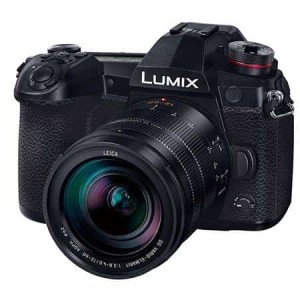
- Panasonic Lumix G9II: This is a cheaper option in the micro four-thirds range. The Lumix G9II, paired with a fast, good-quality lens for Milky Way, can capture outstanding results. The original G9 was a great camera for its price; however, it’s been discontinued and is hard to find in any retailer so the Mark II is the perfect successor. Recommended lens: Leica 12mm f/1.4 Summilux.
Best compact camera for Milky Way Photography
Even if you’re a casual photographer, there are great options to get quality Milky Way with compact cameras. For this reason, we had to include the best compact cameras for photographing the Milky Way in this guide.
*Note: Please bear in mind that compact cameras are light and small, but that comes at a price; the built-in lenses usually have a range of 24-70mm and are not the best at capturing light. Even though you can capture nice images, don’t expect the same quality and capabilities as with a standard DSLR/mirrorless camera mounted with a fast lens.
These are the best point-and-shoot cameras for Milky Way photography:
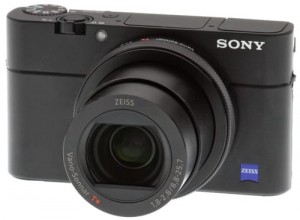
- Sony RX100 VII: For many reasons, this is the best compact camera to shoot the Milky Way. If you make the most of this camera, you can get even better results than with some entry-level DSLR and mirrorless cameras.
If you’re looking for a cheaper option, the first version of this camera (Sony rx100) could also work as a compact camera for Milky Way (Just don’t expect the same quality results, especially in terms of detail and digital noise).
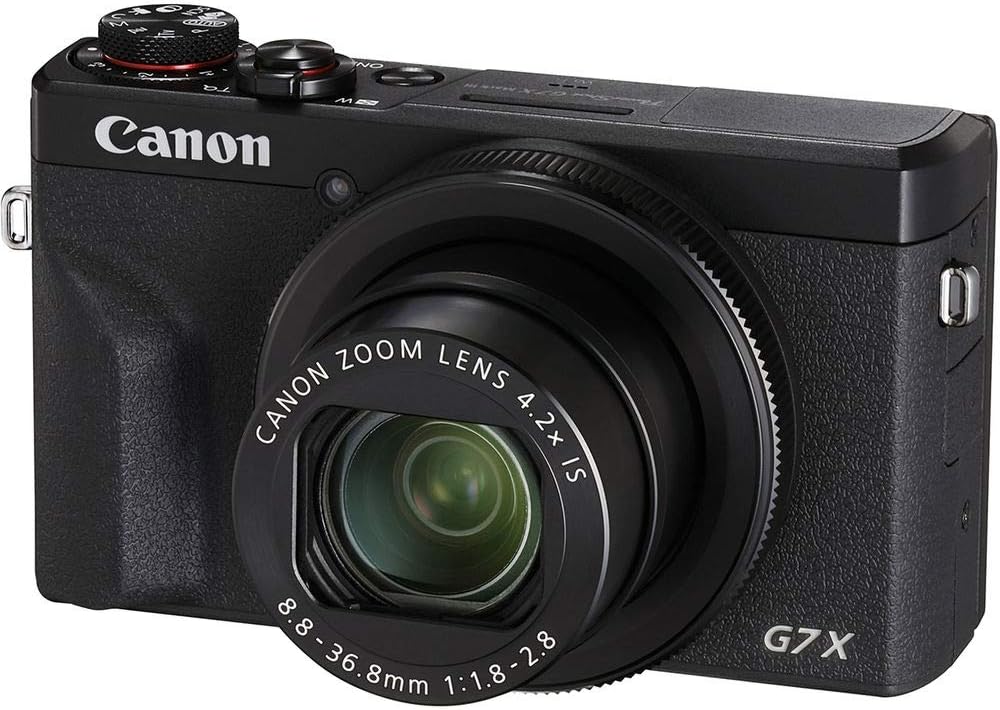
- Canon PowerShot G7 X Mark III: This Canon point-and-shoot can also capture great Milky Way photos. This camera includes a built-in time-lapse movie mode, which if you pair with a tripod, can create some stunning videos of the Milky Way moving across the sky.
- Panasonic Lumix LX100 Mark II: This is one of the newest compact models from the brand and a good compact camera for shooting the Milky Way.

Best Smartphones for Milky Way Photography
Over the years, smartphone cameras have improved to the point where you can capture reasonably good Milky Way photos with them. There are definitely big trade-offs, mainly in image quality and flexibility in settings; however, if you don’t want to carry a bulky camera setup, you can still capture beautiful Milky Way images with a smartphone under the right conditions.
These are the best smartphones to photograph the Milky Way:
- Samsung Galaxy S25 Ultra: The S25 Ultra is the absolute best smartphone to photograph the Milky Way. It features two modes for night photography: Expert RAW and Pro mode, each allowing you different levels of customization. In the Expert RAW mode, you can set exposure times of up to 12 minutes, allowing you to capture stunning detail.

- Google Pixel 10 Pro: The Pixel 10 Pro is the best Android alternative for astrophotography. With its Night Sight mode, you can set exposure times of up to 4 minutes while using a tripod, and the results are breathtaking considering it’s a smartphone camera. With the Pixel 10 Pro you can also use “Pro Mode” to dial in more specific settings in the camera.

Google Pixel 10 Pro.
- iPhone 16 Pro: The iPhone 16 Pro is well known for having one of the best smartphone cameras on the market and delivers outstanding astrophotography results. The biggest advantage over other smartphones is the ability to see the Milky Way in the live view even before taking the shot, which makes composing much easier. However, the exposure time is capped at 30 seconds and won’t deliver as much detail as the S25 Ultra.

Frequently asked questions about the best cameras to photograph the Milky Way
If you’re looking for the best camera to photograph the Milky Way, or are just curious, this list of the most frequently asked questions will help you have a clearer understanding of this topic:
Conclusion
That’s all! As you can see, shooting with one of the top Milky Way cameras is key to getting the best Milky Way images.
Remember that it doesn’t matter what your budget or skills are; you’ll find a good camera to photograph the Milky Way, and the only thing you need once you have the right camera is to know the best techniques and settings for photographing the Milky Way.
Also, don’t forget that the lens is just as important as the camera you use. You can also check out my guide to the best lenses for Milky Way photography so you can make the most out of your camera.
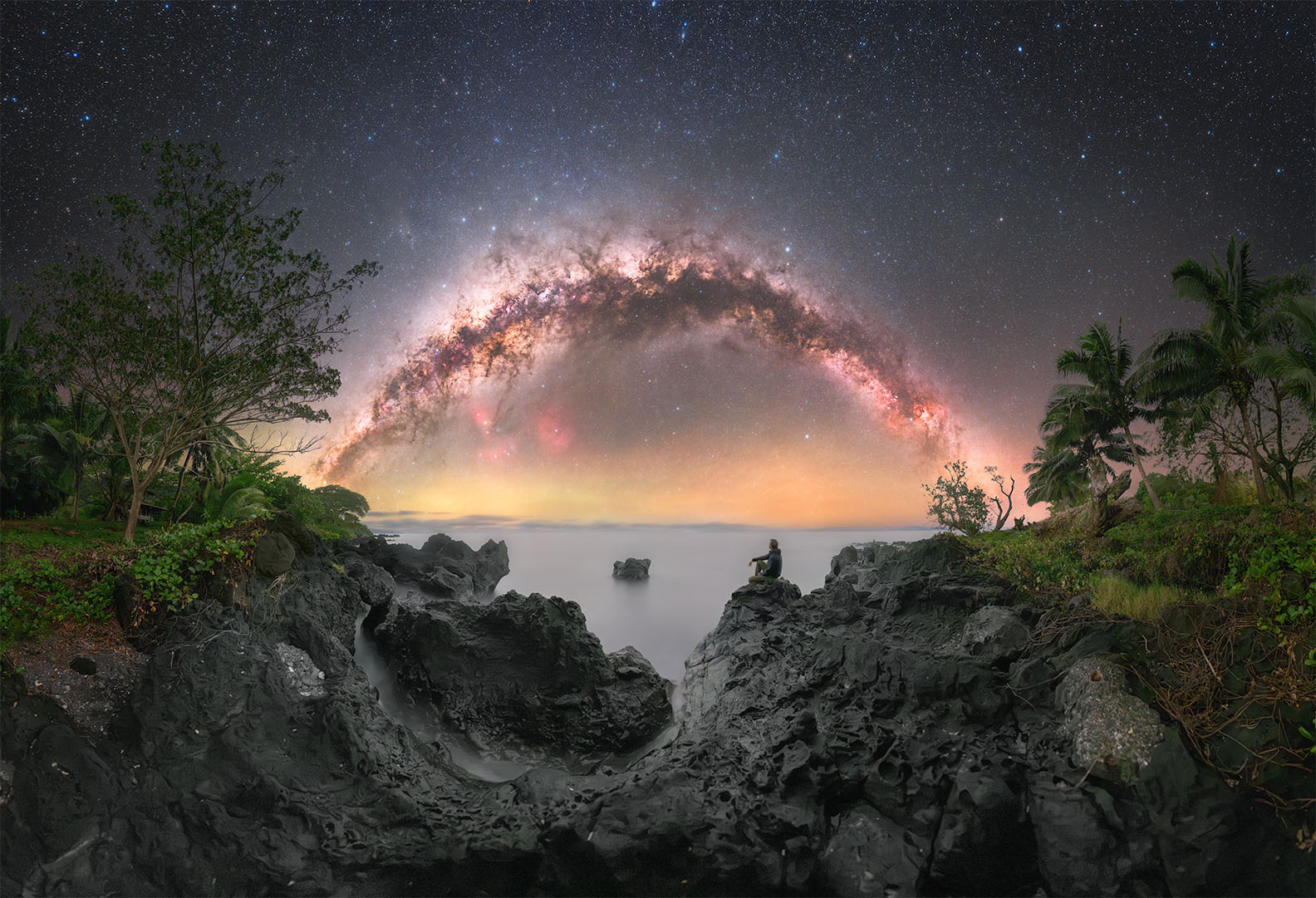
Get a good camera for Milky Way, pair it with a good lens, and you’ll be all set!
My last tip before purchasing any camera for Milky Way is to test it out. These cameras are designed for working in low-light conditions and are usually more expensive, so I always recommend giving them a try first.
I personally like to rent a second camera for taking Milky Way time-lapses and video when I take a night photography trip. I always rent with Lensrentals. They operate in the US., and their rentals are affordable and straightforward. Plus, if you rent your equipment through this link and use the Lensrental promo code CTA15, you will get a 15% discount.

For example, the one-week rental of a Full Frame Sony a7RIV + a wide-angle fast lens like the Sony 24 mm f/1.4 costs $248. If you decide to buy this equipment, it would cost $4.400.
You can also check out other camera and lens rental companies near you.
I hope this guide helps you choose the best Milky Way camera for your needs. If you aren’t sure if you can shoot the Milky Way with your current camera or you’re hesitant about different models, feel free to leave a comment below and I’ll be happy to help! 😉
Happy Captures and Clear Skies!
GET THE CALENDAR WITH THE BEST DATES TO PHOTOGRAPH THE MILKY WAY IN 2026
You'll also receive our PDF guide to photographing the Milky Way!




I’m a Fujifilm X user and am wondering why you recommend the 40 MP X-T5 instead of the 26MP X-T4 since the pixel pitch of the former is significantly smaller than the latter.
Great question; you’re right that the X-T4’s larger pixels can be cleaner per pixel at high ISO.
I still often recommend the X-T5 because the image processor of the X-T5 manage to keep very clean files compared to other high res. models and it has some nice features for Astro.
That said, the X-T4 is still an amazing camera to consider if you are a Fuji shooter 😉
Thank you for the great articles and the great amount of effort you invest to inform us beginners with so much valuable information.
I plan to buy a Sony camera and I thought for Milkyway the A 7 III would be a good choice because if the lower pixel count. But I don’t see this model in the recommendations for 2025, but there is the A7IV. As of today, would you rather recommend the A7IV over the A7III for MW photography? For daytime landscape I have other cameras and I am rally looking for a low-light model + I’d like to be able to print some captures for wall pictures. Thank you for your answer.
It’s difficult to tell as the low-light performance and features for Astro are almost identical on both cameras. The A7IV has a few more mpx and the A7III is still cheaper; but you won’t be wrong with either model. After 5 years, I’m still using the A7III as my main camera for Astro so you can have an idea 😉
I’ve heard from Spencer’s that the Sony A7R series have IR light leaks and present more issues upon editing, is this true and if so did you mention it?
Yes, some older R models had potential IR leaks in Full Spectrum modifications.
This article is not about astromodified cameras and I didn’t mention it, but that’s also why I don’t recommend any Sony R model for Astro on this article.
I use the Nikon d850 and it does a fine job. I also use the Fuji XT-5 and was pleased that it made it onto the list.
Yes, the Nikon D850 is still legendary!
What about the Sony A7CR? It’s 61mp full frame…
Yes, with the right lens (f/2.8 or faster), the Sony A7CR is another good camera for Milky Way photography. Just be mindful that the autofocus setting doesn’t work on stars, so you’ll have to manually focus.
Hey!! I just bought the Nikon 7 ZII with its recommended lens the Nikkor Z 14-24mm f/2.8 S. All from your recommendations! I’m excited to get it and be able to take pics of the Milky Way. Is there a guide you have for how to use each camera? Like what settings and exposure setting to use? Also, how to take a time lapse video??? I’m NEW here! Hahahahaha thank you!
I’m sure you’ll love the camera! I recommend to check my Milky Way Photography guide for a general list of settings 😉
Hey, there is no such thing as hte best cameras to shoot the milky way. Can you tell from the photos I see in the internet that they were taken for xxx camera? Of course not. How about a full frame camera with a low light sensor is good enough? Having a camea and a wide fast lens set up is the beginning of know how and when to shoot the milky way!
You’re right David! Wide fast lens is the best start.
Hi. I have really enjoyed reading your tips for both the Milkyway and the Nothern Lights. I have a Nikon D500 and a Nikon 16-80 mm, F2.8 combo. Would this be sufficient for this type of photography? I might need a heavier travel tripod. I am in my 70s with arthritis in my hands, etc. Suggestions please for this senior lady.
That’s a great setup Carol, and you’ll be able to capture stunning images with that combo. If you are looking for a lighter setup, you might want to look into a mirrorless camera, since the bodies are smaller and lighter and the lenses are generally more compact as well.
As for tripods, I suggest taking a look into the gear Dan and Ascen use for their trips, they own a great travel tripod that works for astrophotography: https://capturetheatlas.com/our-photography-gear/#:~:text=the%20video%20below%3A-,SUNWAYFOTO%20T2840CK,-Sunwayfoto%20T2840CK
All the best!
Nice website, article,
I’m a happy (Dutch) owner of a full-spectrum converted Z6, Concerning noise performance their is one very best camera which is not mentioned in this document and that is the Sigma FP L . I had the luck to compare my Z6 which already is a top performer to someone else Sigma FP L while lapsing the Milky Way in the Pyrenees (France). The Sigma FP L performed even better concerning noise/image quality ! I think for that reason it should be in this list. IMHO at the very top of it.
http://www.astrosurf.com/topic/153304-les-pl%C3%A9iades-et-la-t%C3%AAte-de-cheval-au-sigma-fpau-fait-vous-connaissez-les-fp/
https://www.lonelyspeck.com/tracked-astrophotography-with-the-sigma-fp-l-and-the-move-shoot-move-star-tracker/
https://www.dpreview.com/forums/thread/4635071
Kind Regards Bjorn
Thanks for the suggestion Bjorn! We don’t have experience with the Sigma FP L, but we’ll look into it.
As an Olympus/OM System user, I’m curious why you recommended the EM-1X over the OM-1. Have you personally used either camera, or just saw others use them in your workshops?
Linda,
Both cameras are really good. But yes, you’re right, probably the OM-1 is a better camera since it has higher expanded ISO, better screen resolution and it’s lighter. But the batteries last less.
Best,
Dan
Hello, Dan.
Thank you for all your time and effort in reviewing all the cameras and lenses. I don’t know how you have the time to do all the things you do – tours, gear reviews, articles, and MW course. But, all of us newbies surely do appreciate it. I’ve been reading and rereading your camera recommendations for awhile now; watching YouTube videos, visiting camera store websites, etc. to educate myself. Of all the sources I have sought out, yours is/was by far the most beneficial in finally making my decision to go both full frame, mirrorless, and with which camera – something for MW photography and landscape. Drum roll please… what did she buy… the Sony a7iv. It gives me more megapixels for the landscape application but still highly rated for astro, and a newer model. I didn’t go A7r iv because of the even higher number of megapixels (“mpx noise at high ISO”) along with not needing its video capabilities. I hope to also acquire the Sony 35 mm f/1.4, your recommended best lens paired with this camera sometime in the near future. I spend a lot of time on your website (which is excellent; Ascen does a wonderful job) filling my brain. I enjoy it enormously. Again, thank you for being a great resource.
Linda,
Thank you very much for your nice words! It takes a lot of work to put this together and your feedback is very important for us!
The Sony A7IV is an amazing camera for Milky Way and I have no doubt that you’ll capture spectacular night images with that camera and the right lens.
Looking forward to seeing your images!
Dan
Hi Dan,
I’m fairly new to shooting the Milky Way and currently use a Canon M50 with the Rokinen Series II 14mm F2.8 lens, but want to upgrade. I’m not ready to splurge on the Canon R5. Is there a mid-level Canon that you’d recommend? I’m considering the Canon R or staying with APC with the Canon 90D.
Thanks, Chris
Chris,
I recommend you to try and take the jump into the Canon R series (R8, R5 or R6). You will see a big difference on your pictures and it’s amazing when you get used to them.
Great information! What are your thoughts on Sony a7iii vs Sony a7riii for milky way?. For budget reasons I’m looking at older, used Sony models for my first FF. Is one better for MW? The higher MP interest me for a different imaging purpose thus the interest in the r model.
I’ve tested all Sony models for Astro and, to me, the Sony A7III is the best sony camera for Milky Way photography in 2022, even better than the newer Sony A7IV (higher mpx makes a worse performance at high ISOs).
My current camera is actually a Sony A7III astromodified and I couldn’t be happier! It’s also relatively cheap since the model is a few years old now.
Hope this helps!
Dan
Dan ,
Thank you for the ongoing advice and the purchasable literature which i have found invaluable.
A few years back as a total newbie(am still am) i got the Pentax K1 Mkii mainly for the astrotrace and the weather sealing ( hopefully that translates into dust sealing, for Australia)
Then they discontinued the Sigma Art f1.4 35 mm so i rushed out and got one. A Pentax f2.8 15-30 mm got acquired to do a landscape course.
So am looking to using these is an Astro role back to back, similar , but very different.
Sadly, with all the hardware, theory, and advice, COVID has shackled us from travelling so minimal practical. But in two months retirement beckons and the great Australian outback beckons.
Question, if for example you take a 4 minute Astrotrace, and then a 30 second foreground picture , which Photoshop technique would you use to merge them. I am guessing you would want to get the exposure balanced before the merge.
Again
Many thanks for everything
Andrew
Andrew,
Thanks for your nice words!
In that situation, you’d have to do a blending in Photoshop to merge both images (the tracked sky and the untracked foreground).
This is a relatively easy technique but it’s also where issues are more evident in the post-processing. I have a dedicated series of tutorials to blend night images in my Milky Way course in case you want to check it out.
Best,
Dan
I’d like to save money with a previously owned camera body. Are your prior year selections available? For example the original Sony A7 and A7ii were good when they came out but have been eclipsed by later models.
Yes, here I usually recommend the latest models but some of the previous models are also good for shooting the Milky Way. (Ex. Sony A7RIII instead of Sony A7IV)
Hi Dan,
Thank you very much for sharing your opinion.
I have a Canon 7D, and the night photos have too much noise, and that is way, I am considering to change to a Canon 5D mark IV , R5 or R6, or Nikon D850 or Z7.
According with your article, “the Nikon D850 offers an otherworldly dynamic range, making it, probably the best camera for photographing the Milky Way”.
Can you help me on this ?
Thanks
Hi Eduardo,
Most of the models you mention are great for Milky Way photography.
The Dynamic range of the D850 is superb, but so it is the one of the Z7. Nikon is also releasing new mirrorless cameras so those will be even better.
For Canon a good option is the Canon EOS RA, a specific camera for night photography which can capture a wider gammut of details and colors of the night sky.
As regards Sony, I’d go for a Sony A73 if you’re planning to shoot a lot of night photography.
Hope this helps and please let me know if you have any questions.
Happy shooting,
Dan
Hi Scott,
Canon EOS Rebel xs Canon 18-55 mm f/3.5 max iso 1600 for first ever attempt or rent?
Thanks
Rod
Hi Rod,
In your case, I’d probably rent a faster lens. you can take images of the Milky Way with a Kit lens but it’s much more challenging!
Best,
Dan
Great article!
I’m trying to decide between Sony A7R3 and A7R4. My concern is that the A7R4 has so many pixels that they are smaller and not as efficient as the lower pixeled A7R3. Considering that, do you think A7R4 can produce as good or better night sky images as the A7R3? The cost Difference is not major consideration for me.
Hi Scott,
If night photography is going to be one of the main genres to shoot, I’d go for the A7R3. More than resolution, you need the biggest pixel pitch, and the 7R4 has so many pixels that these are smaller and won’t provide the same performance in low-light. That said, the 7R4 is generally the best camera in the market and perfectly cable of taking stunning night images, so if you’re planning to do general landscape or other genres I’d definitely go for the R4.
Regardless of the model, both are just terrific cameras for Milky Way photography!
Great article!
Just wondering if there is a reason why you do not consider Pentax K1 Mark II on the list
Hi Endika,
Thanks for your message!
There are many great cameras and lenses to photograph the Milky Way that we couldn’t include in the list, mainly because we haven’t tested or because would make the article too long. The Pentax Mark II is a good example, but there are also other brands that could be mentioned like some Leica models.
Happy shooting!
Dan
Wow thanks man. Nice article and informative article.
Thanks Alfredo! Glad to see you found it useful! 😉